Hi, I’m Niloo Hosseini
Product Designer . AI Artist
Architect
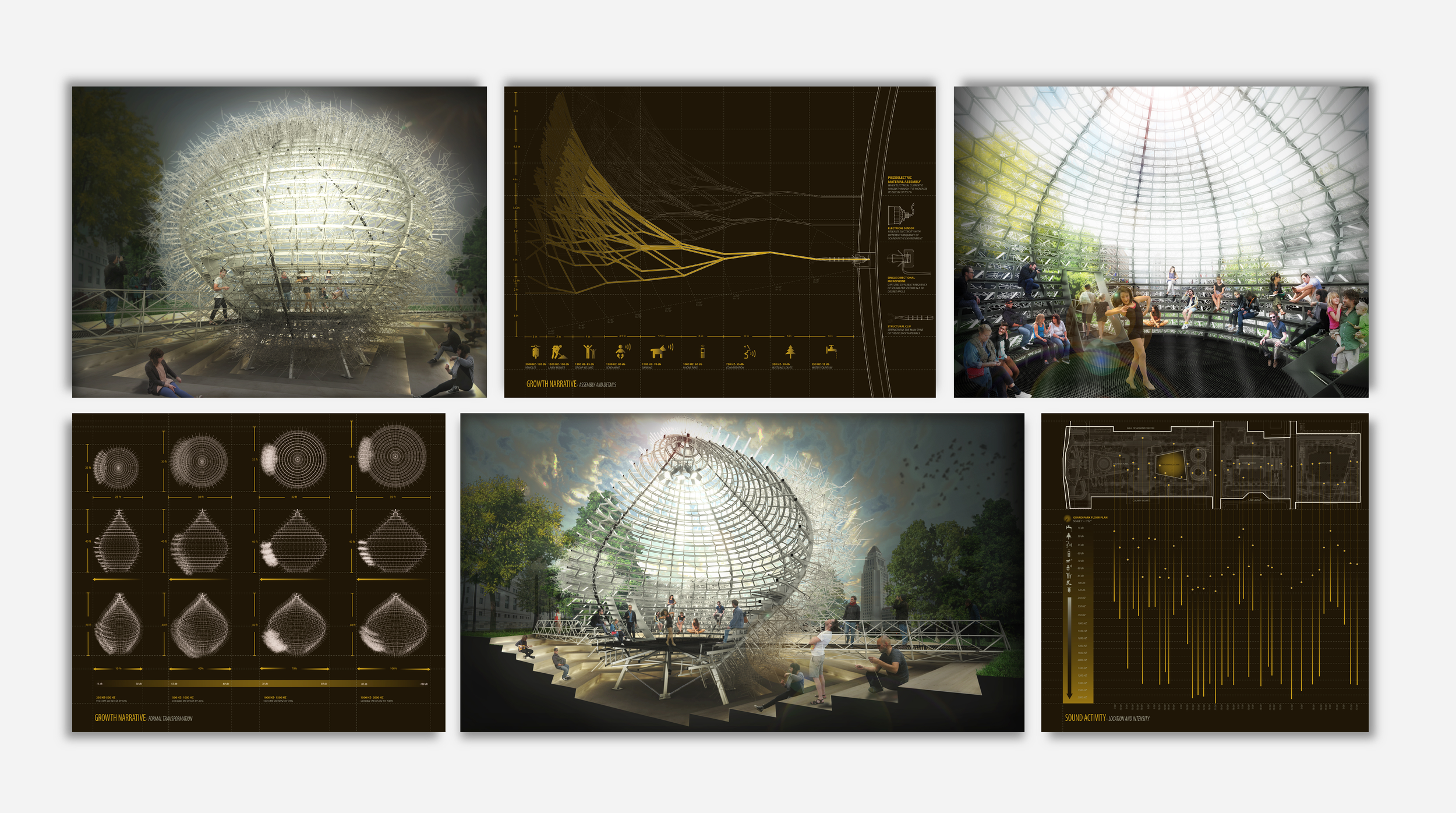
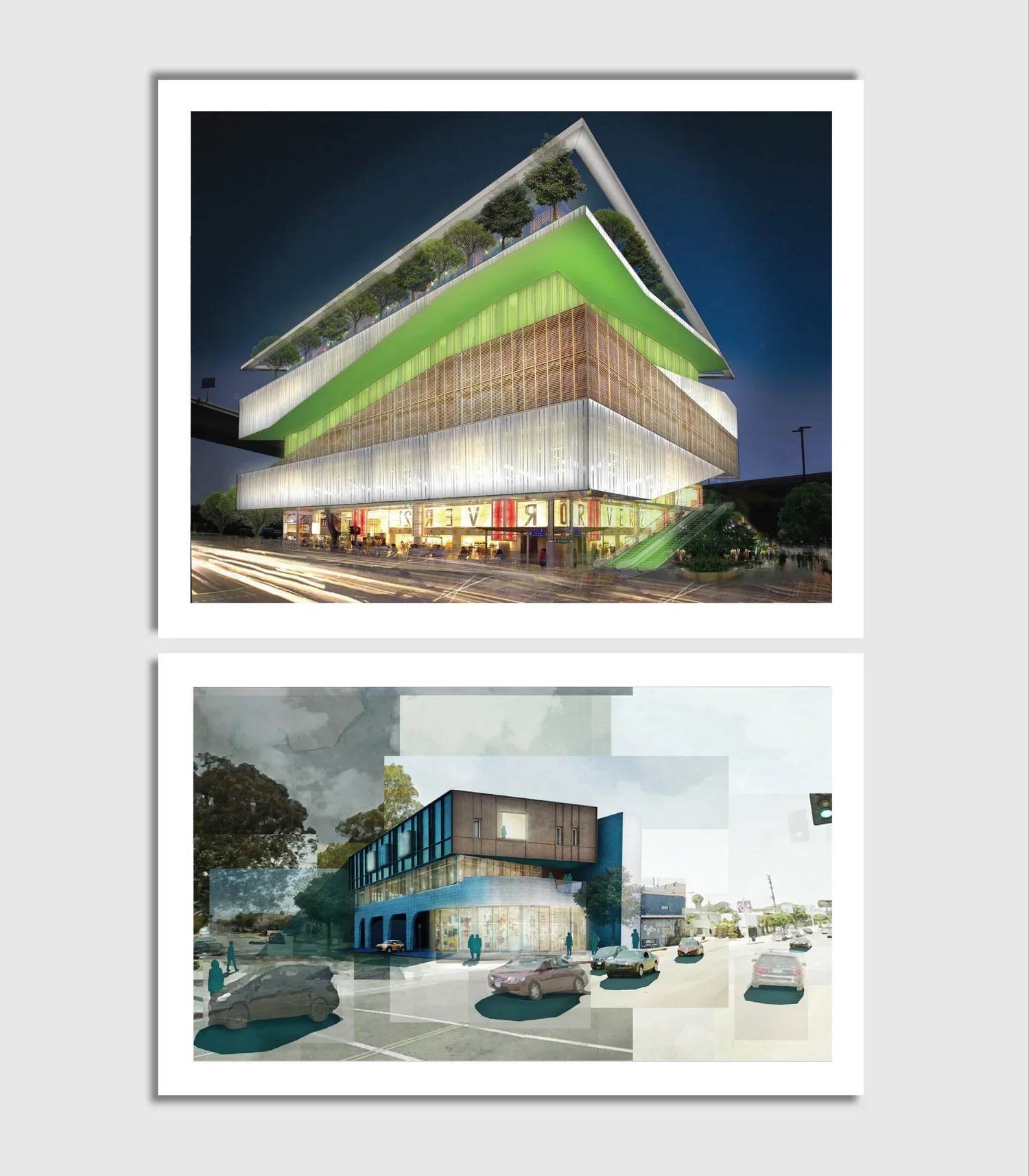
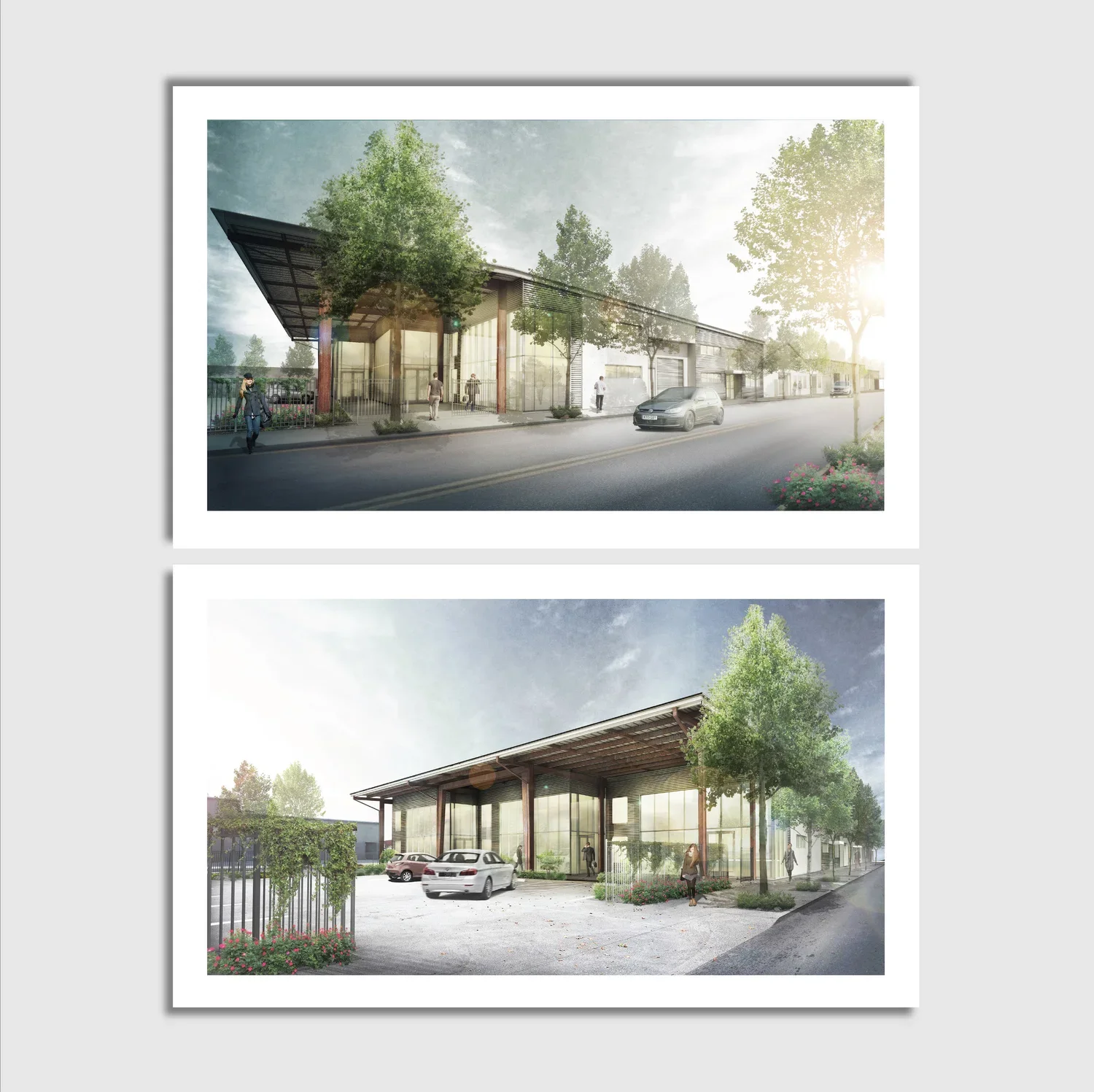
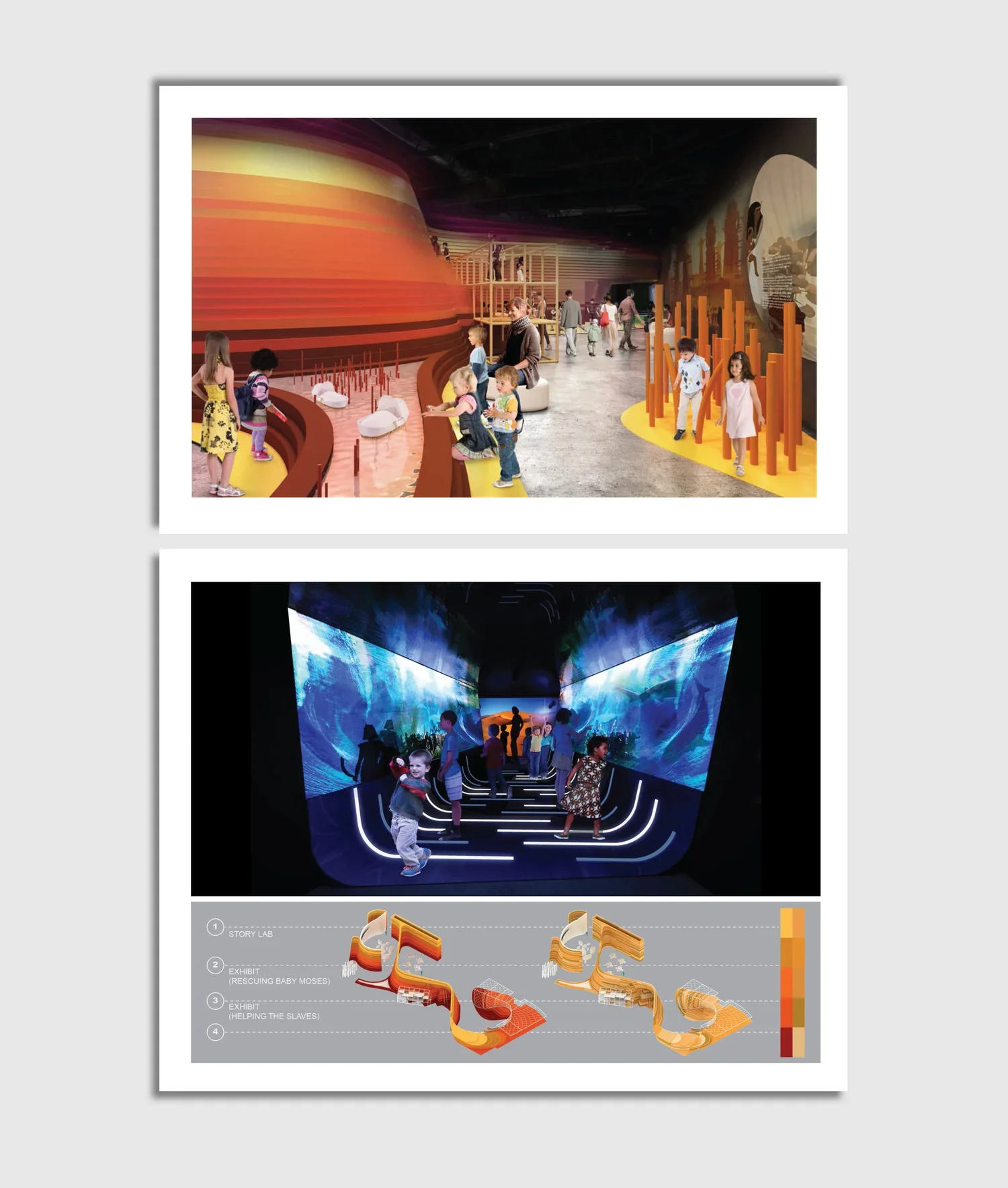
I began as an architect for the 5 years of my career, designing exhibitions, concept spaces, and 3D visualizations, giving form to ideas before they were built. That work trained me to think in systems and spatial experience, a lens I've carried into every product since.
Product Designer
I joined Google in 2018, where I spent eight years leading 0-to-1 UX across:
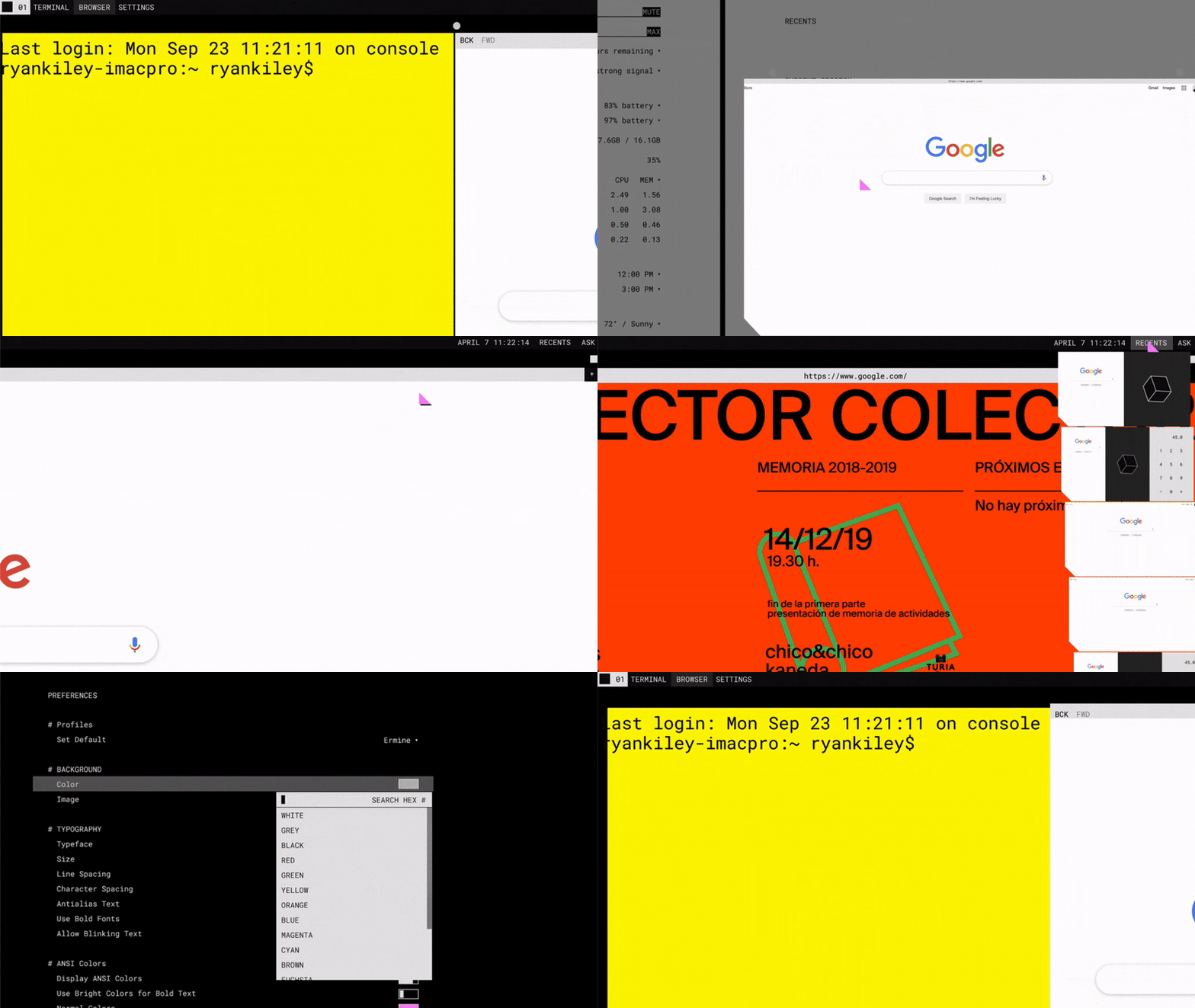
Fuchsia — a next-gen OS built around an intelligent agent
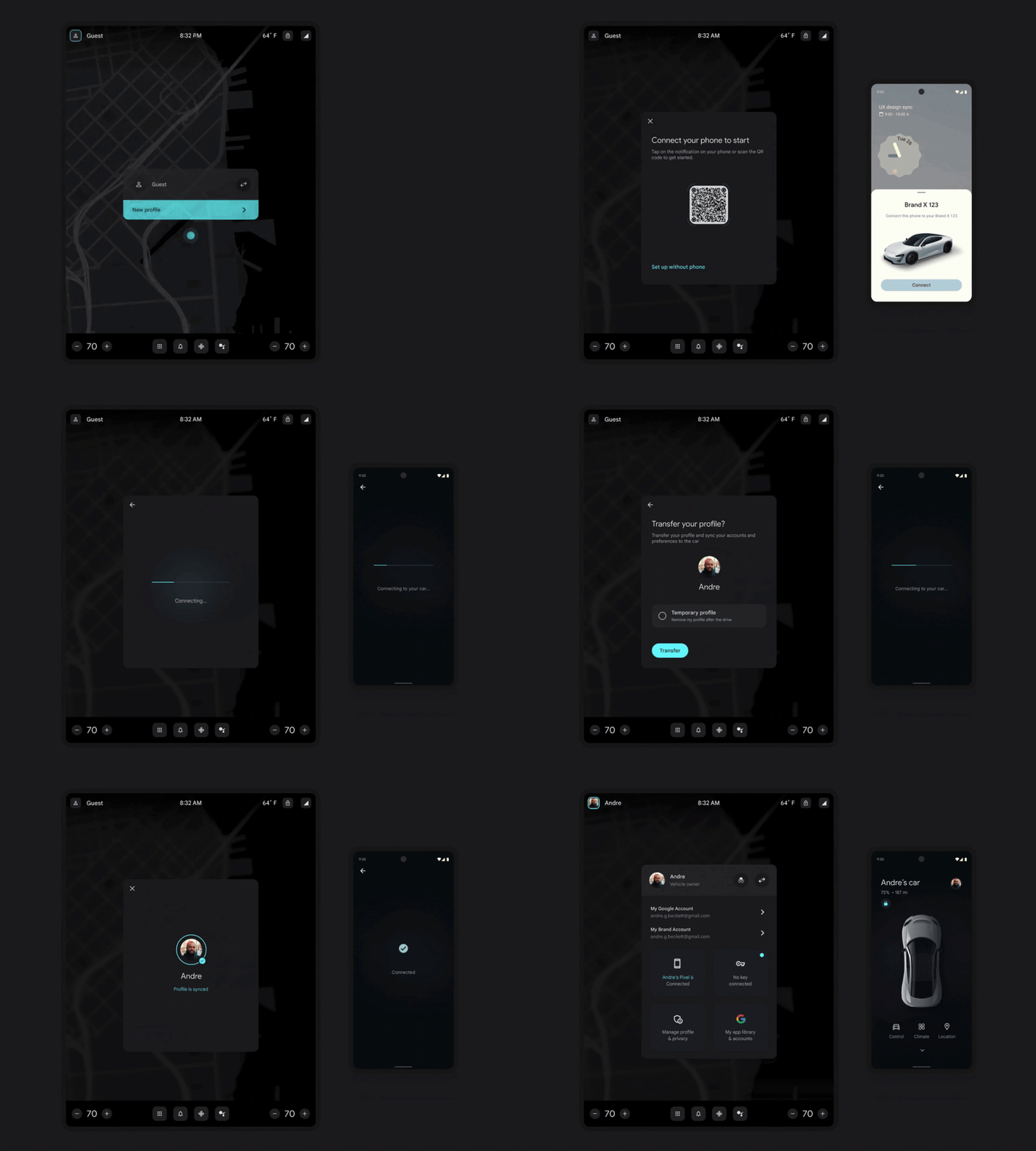
Android Auto — personalization and identity for smart vehicles
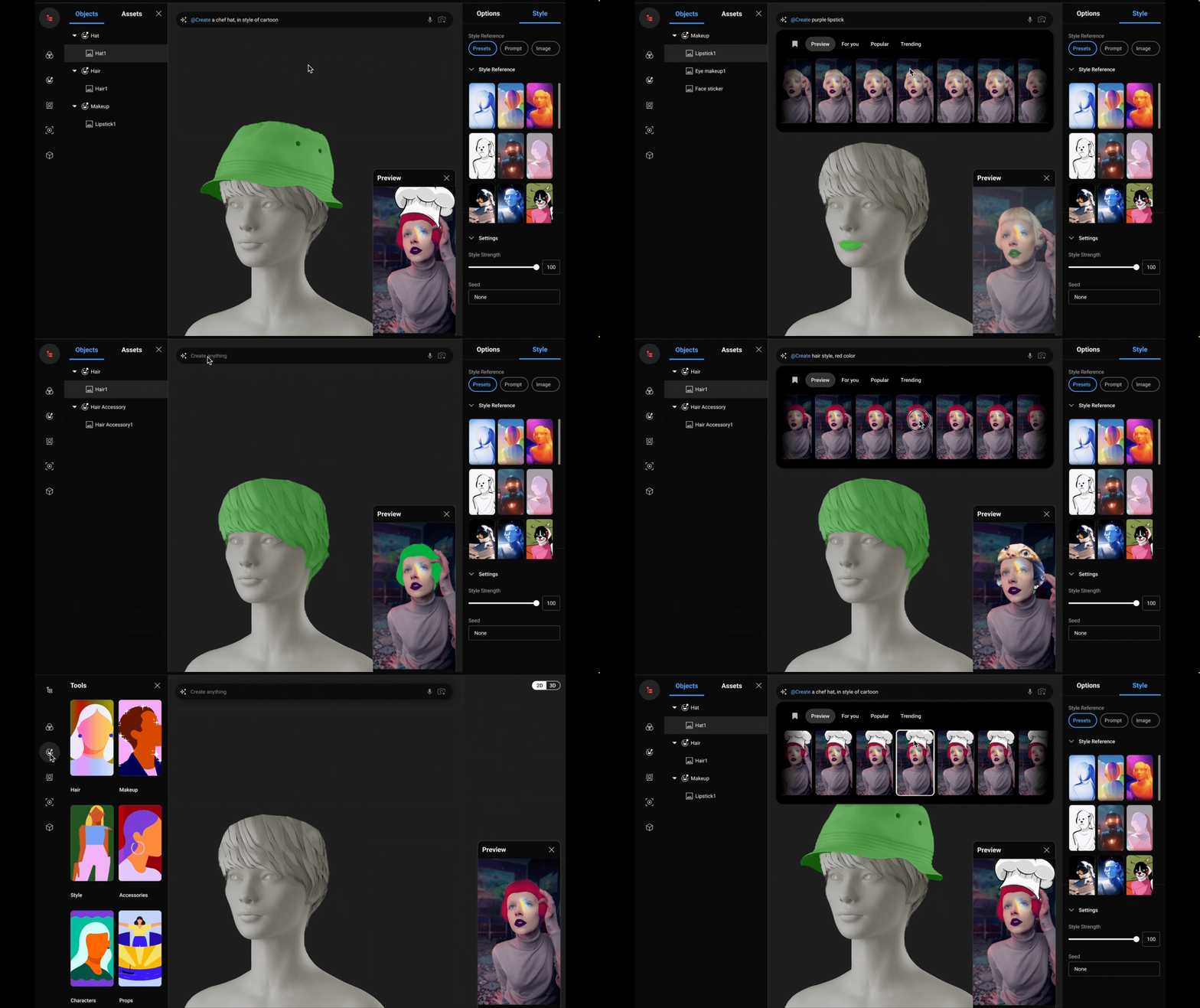
YouTube Advanced Capabilities — UX vision for a new AR/ML effect creation platform
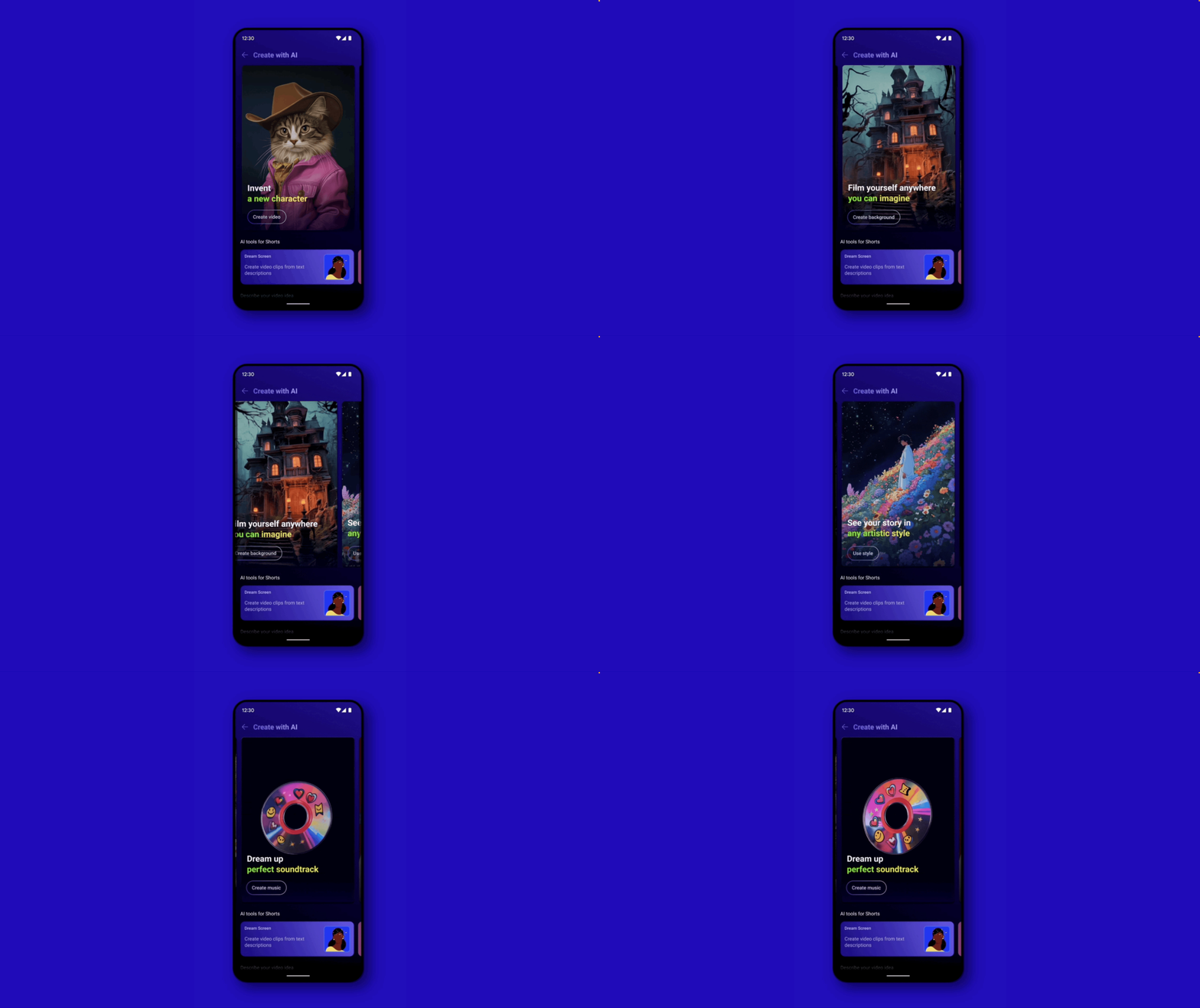
YouTube Media Gen — Led UX for overall GenAI vision and platform design
Founder
In 2026 I started working on Olo, an AI native storytelling platform, where creation is living, collaborative, and immersive.
Artist
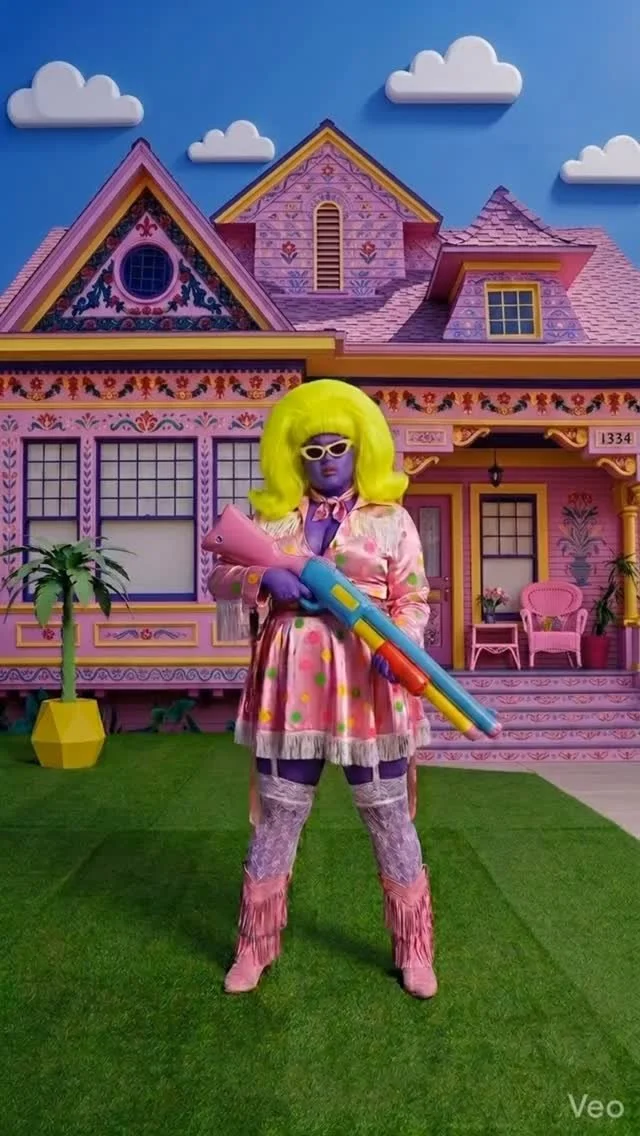
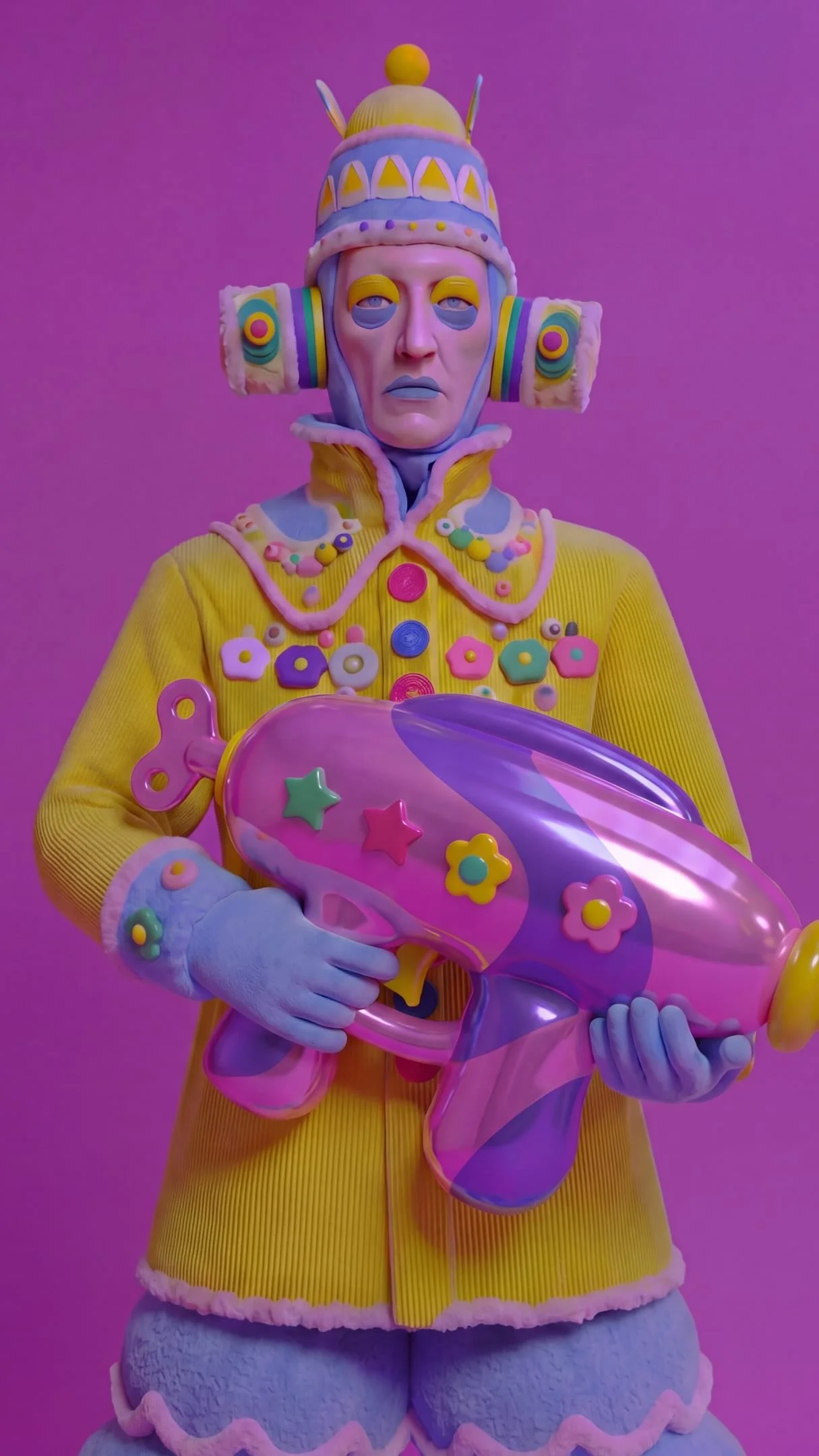
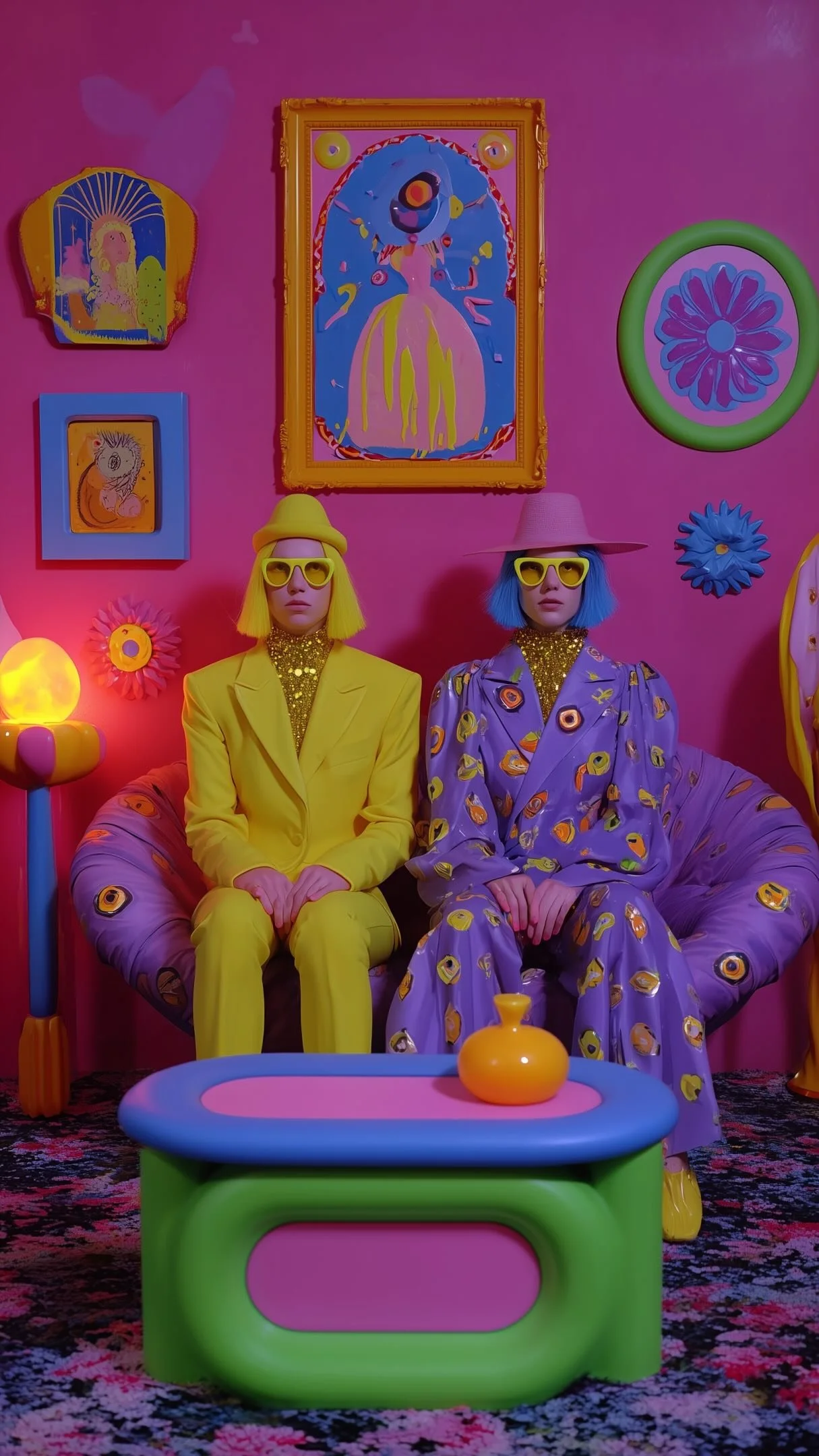
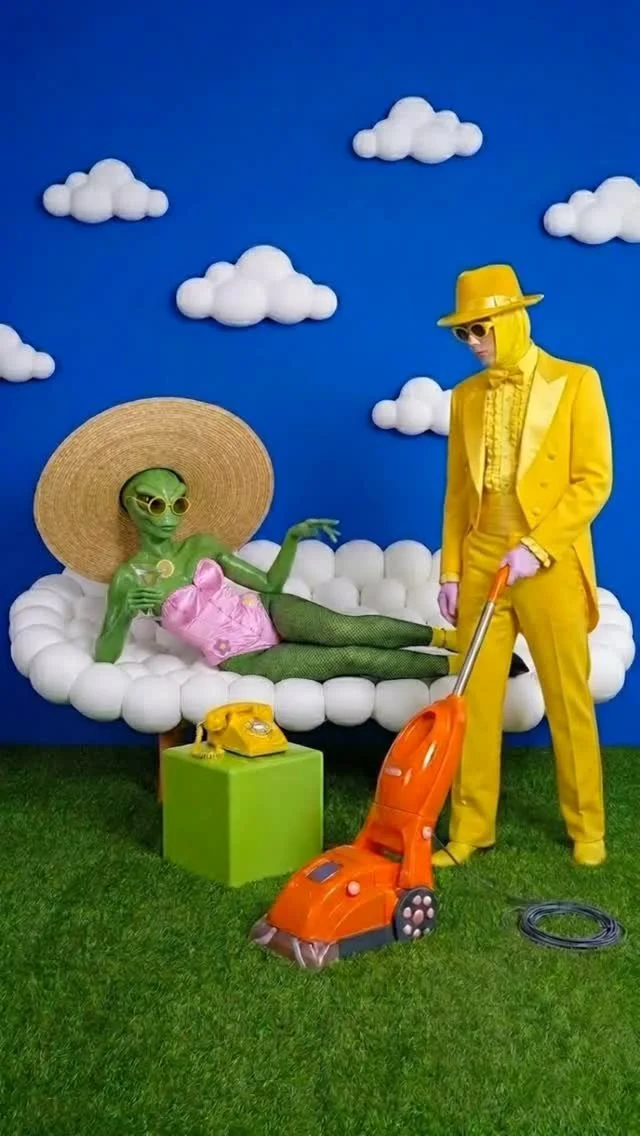
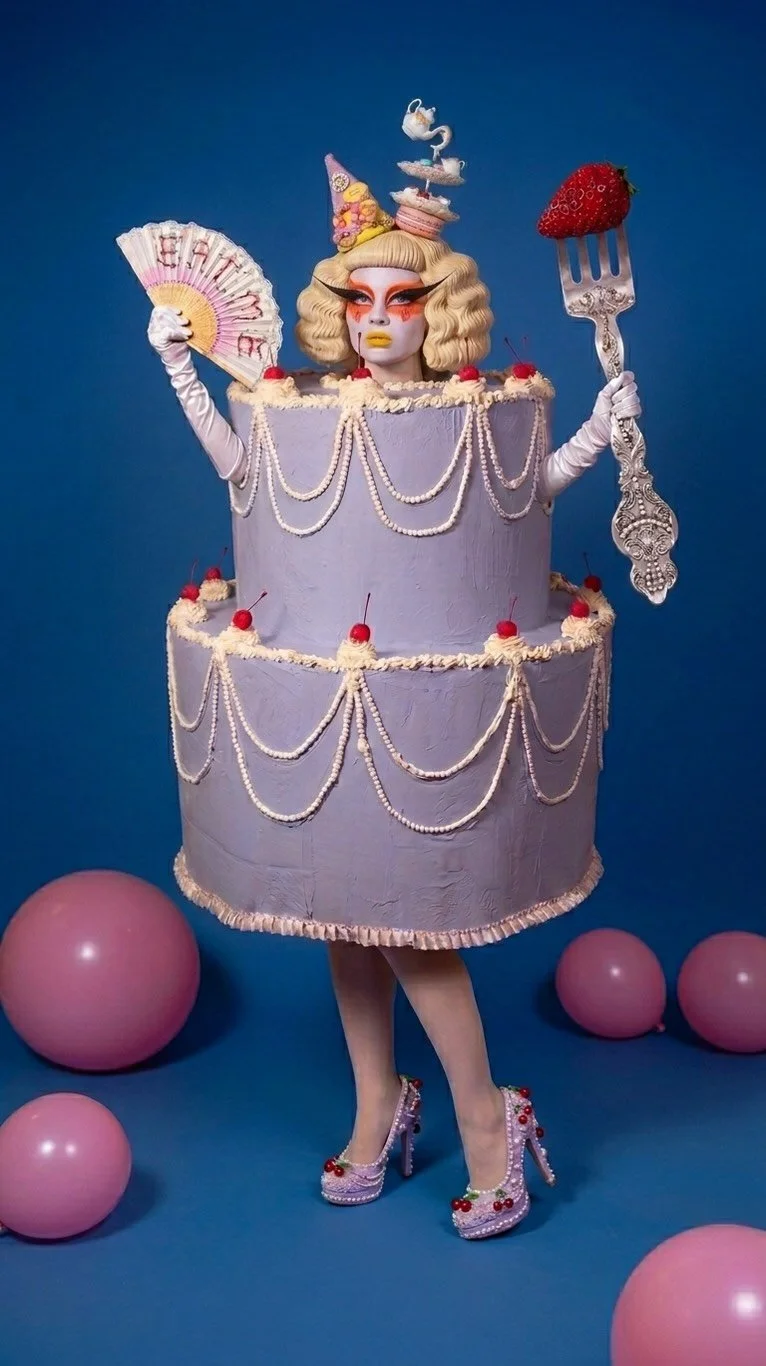
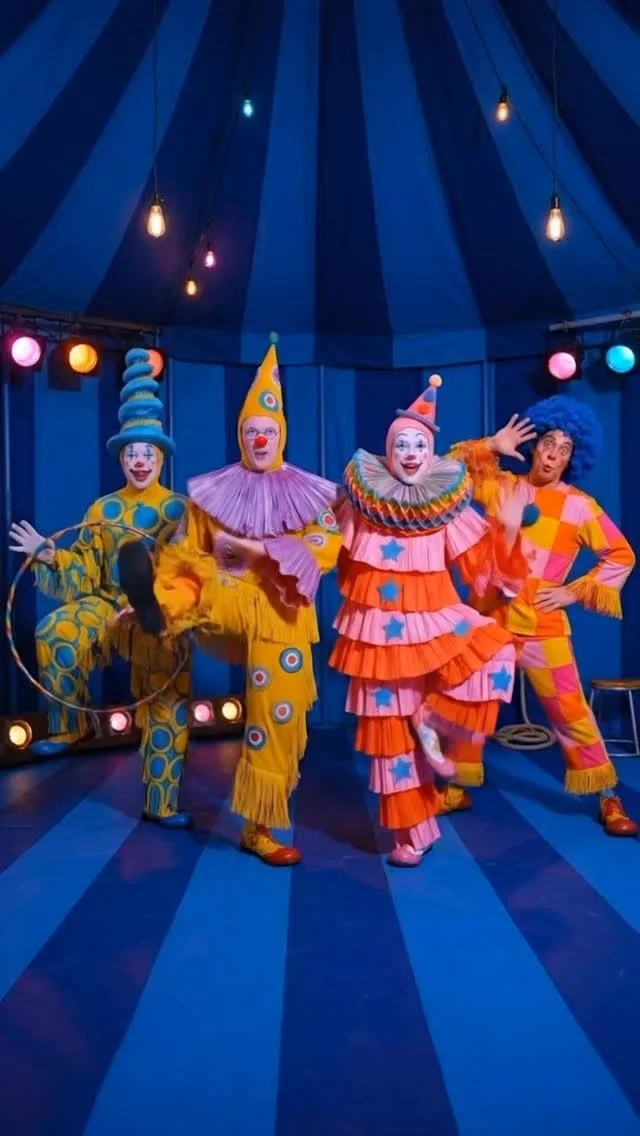
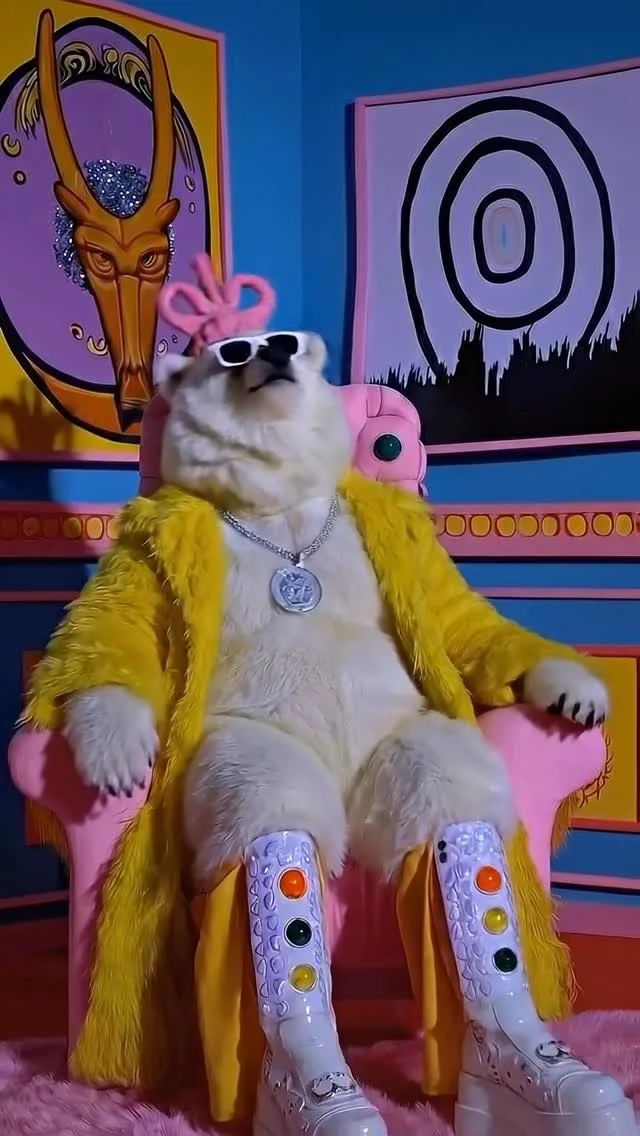
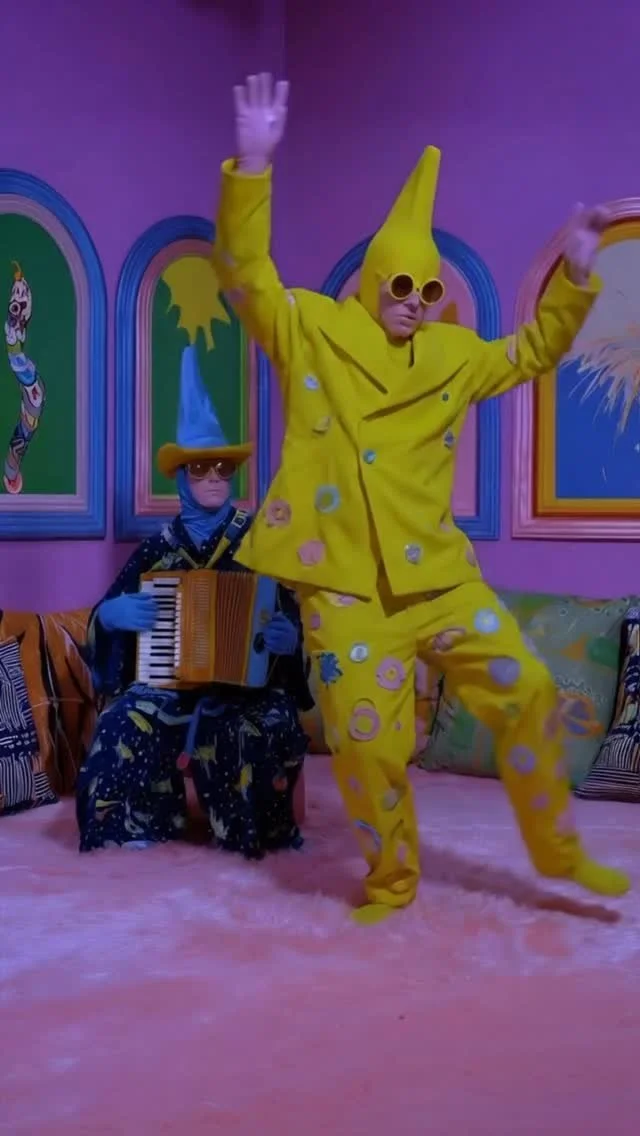
What started as sharing early Midjourney experiments on Instagram became a three-year practice and a way to integrate into the AI artist community. That firsthand knowledge shaped my vision at YouTube and shapes what I see coming next.


YouTube GenAI Strategy
In 2022, while working on the Advanced Capabilities team, I created YouTube's GenAI UX vision, showcasing how AI could solve real user needs across the platform.
User Needs
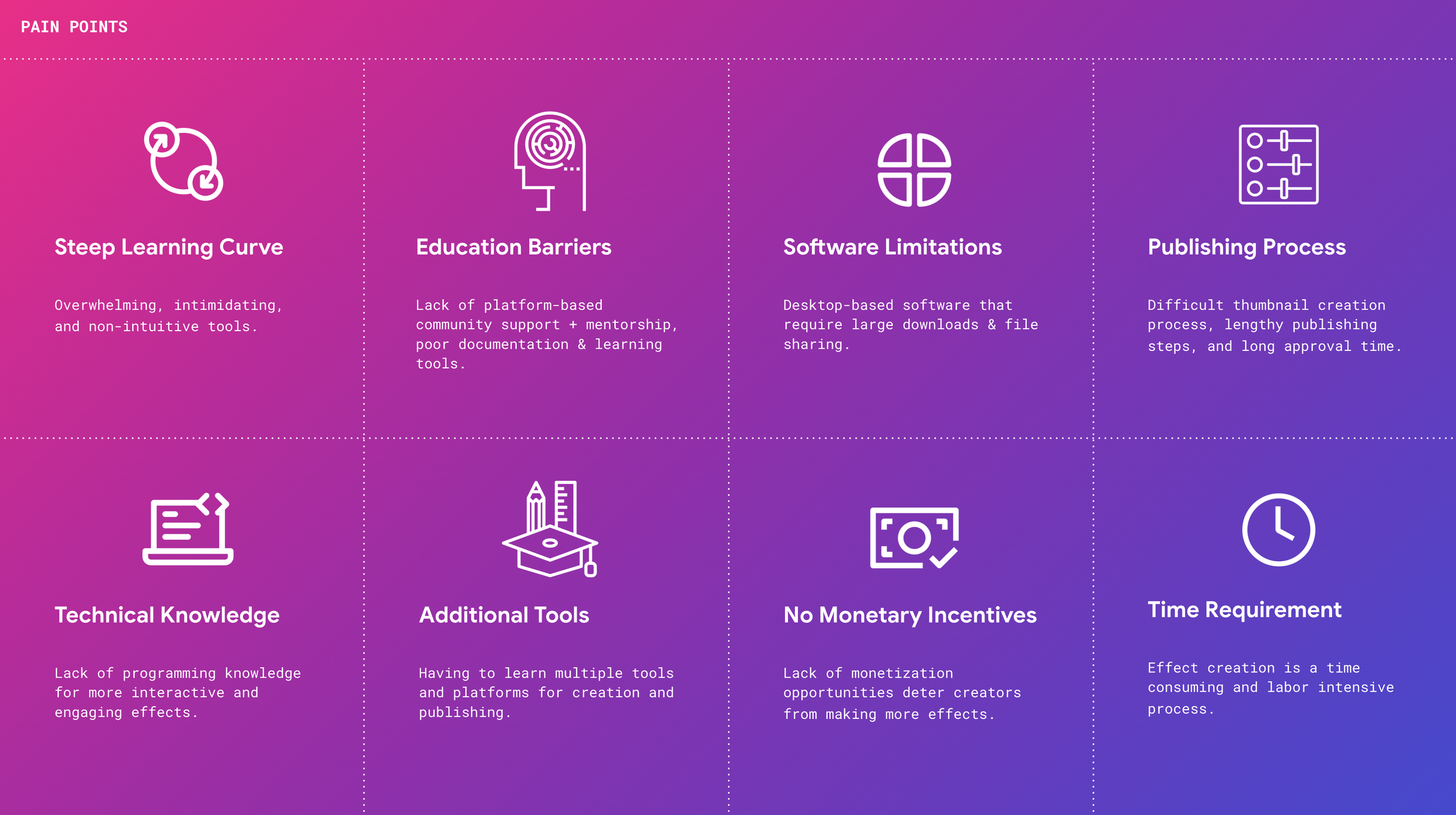
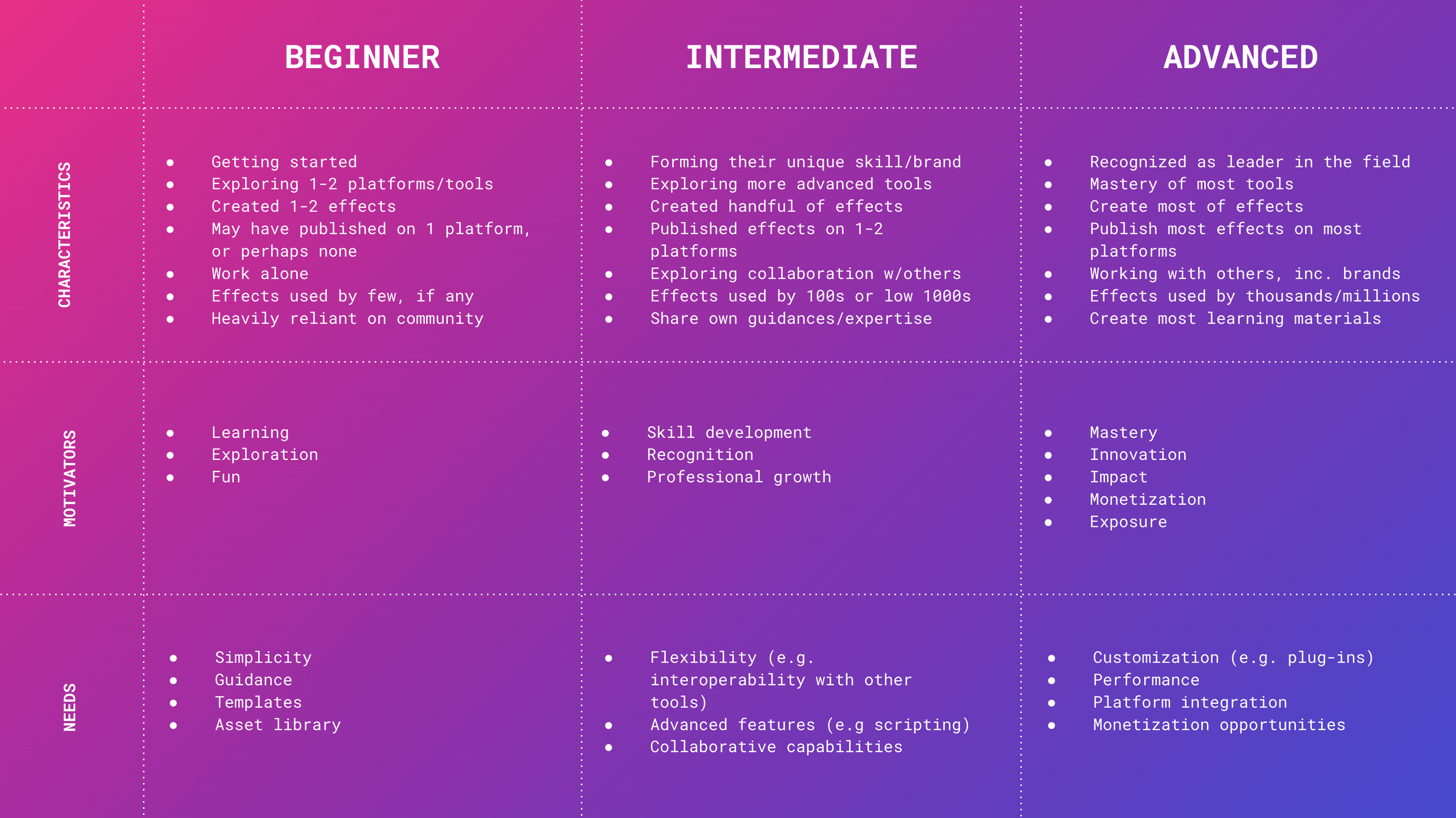
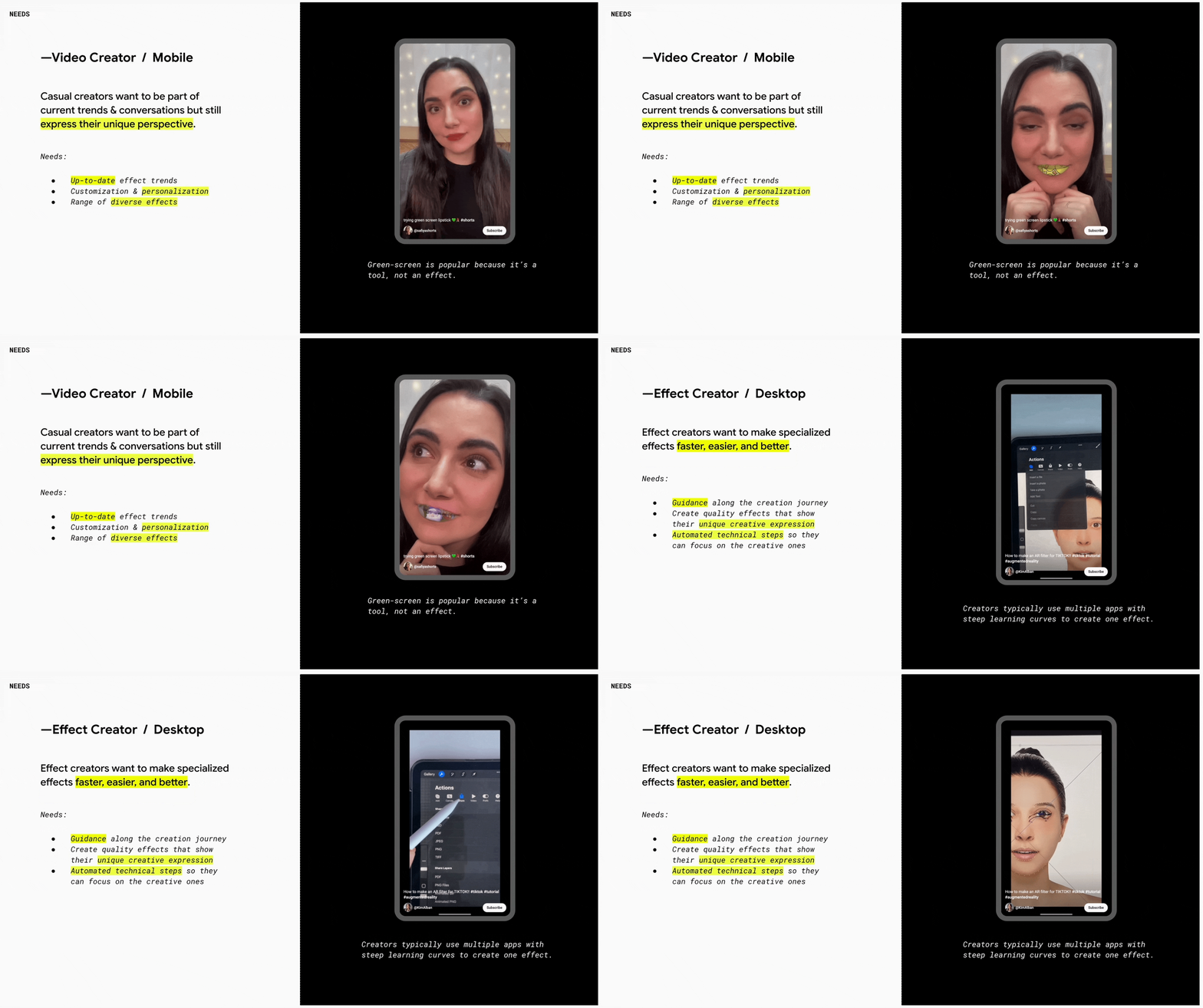
User research revealed key barriers to creation: Steep learning curve, technical complexity, and significant time requirements.
Principles
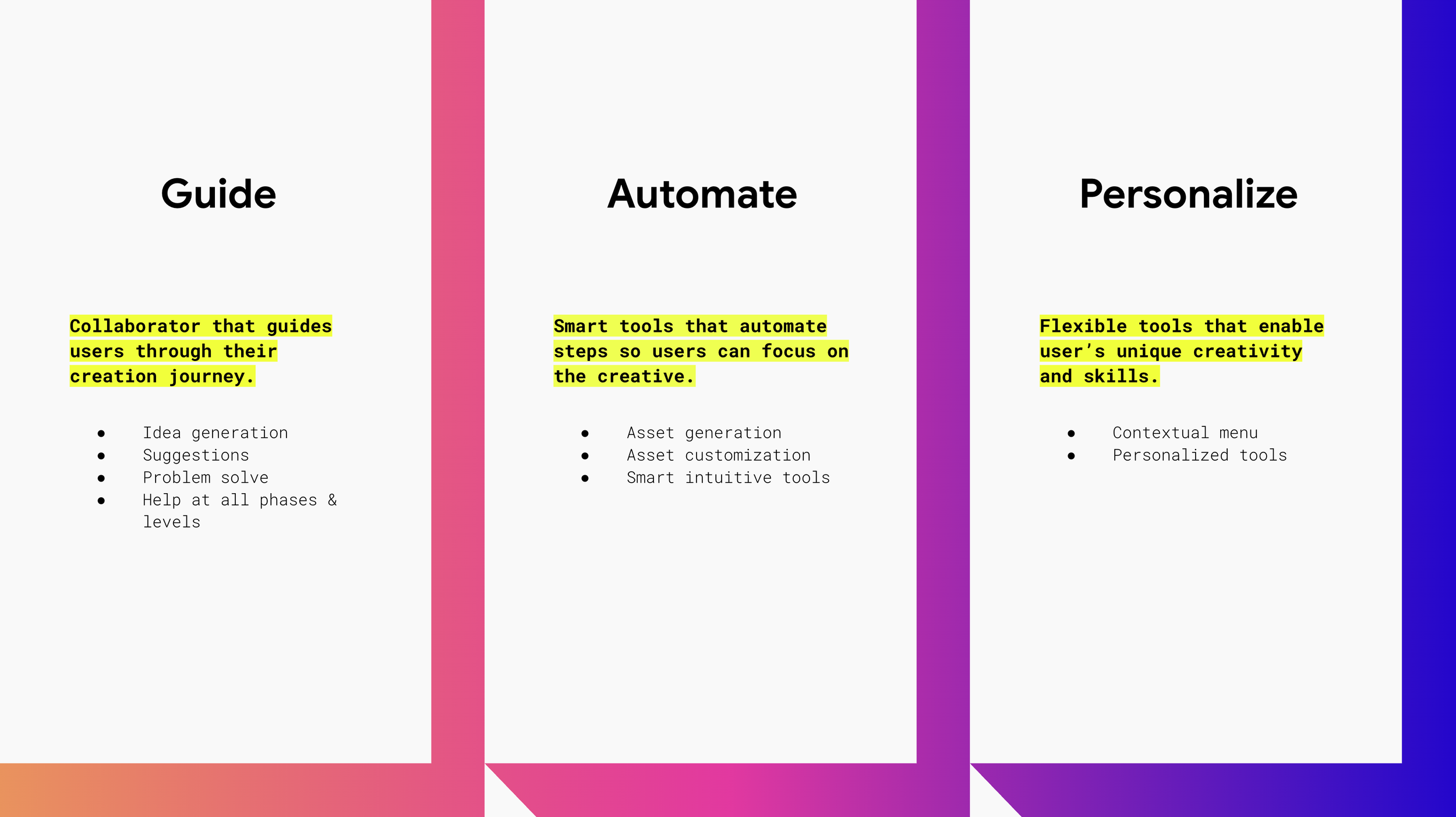
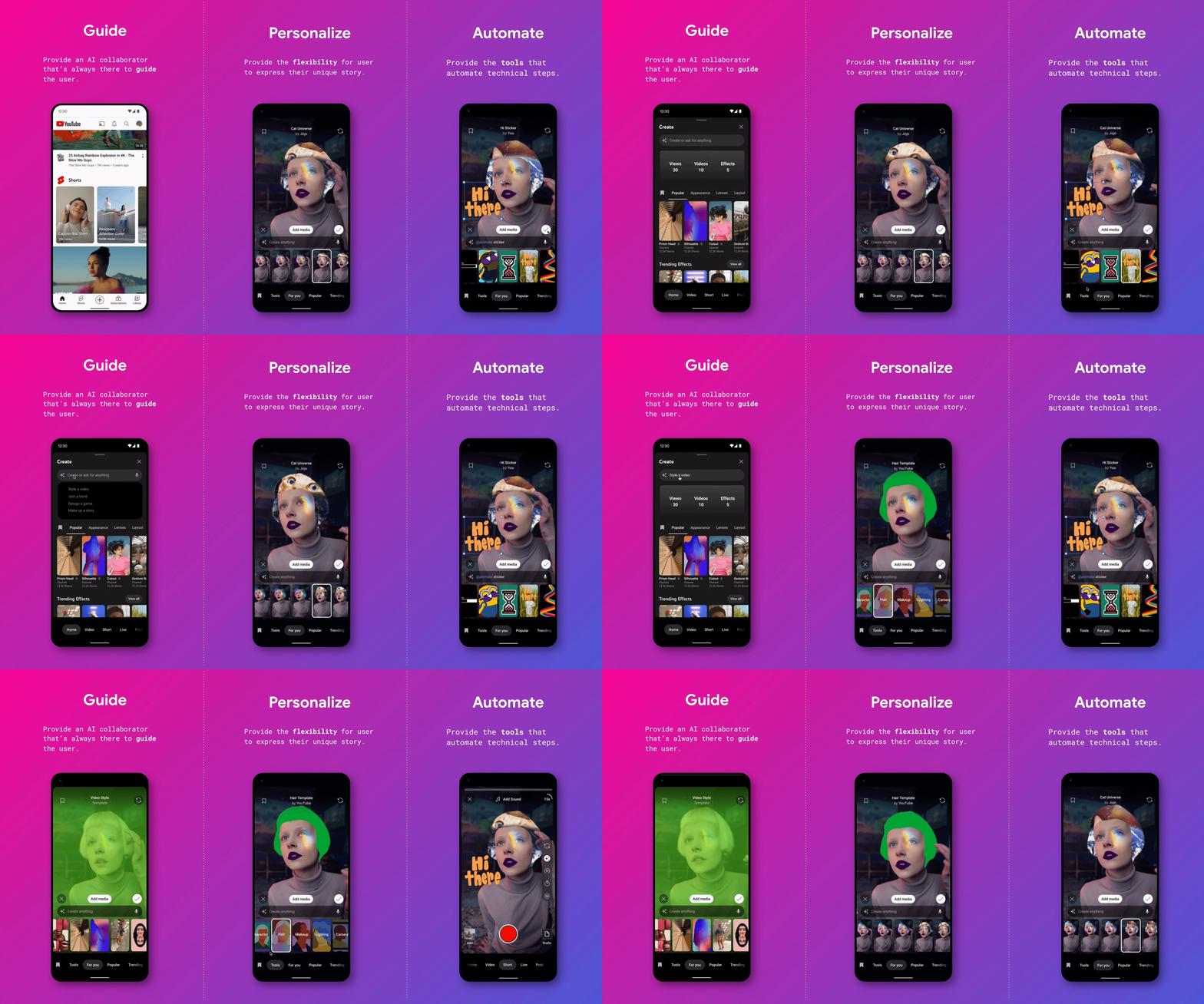
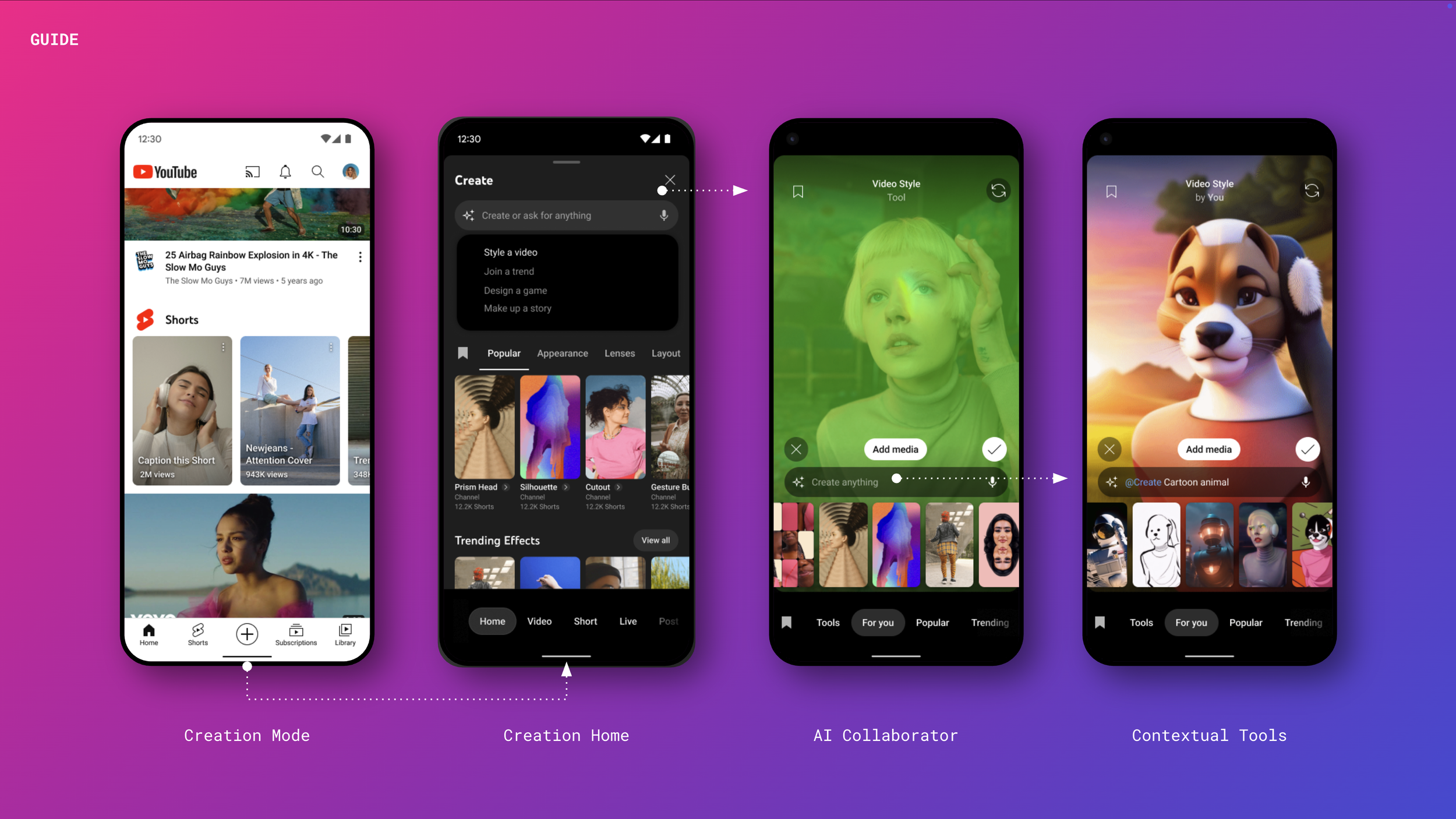
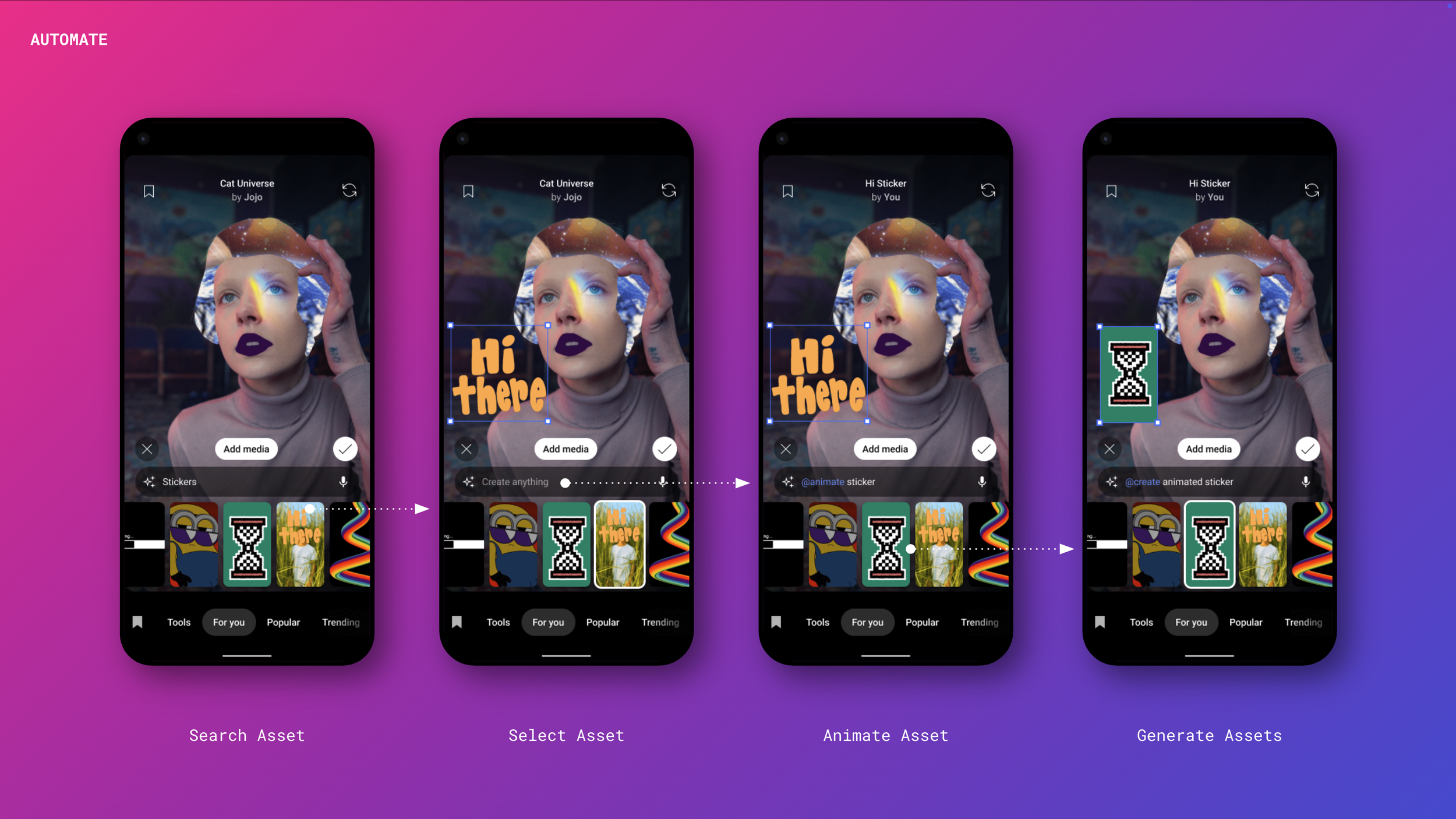
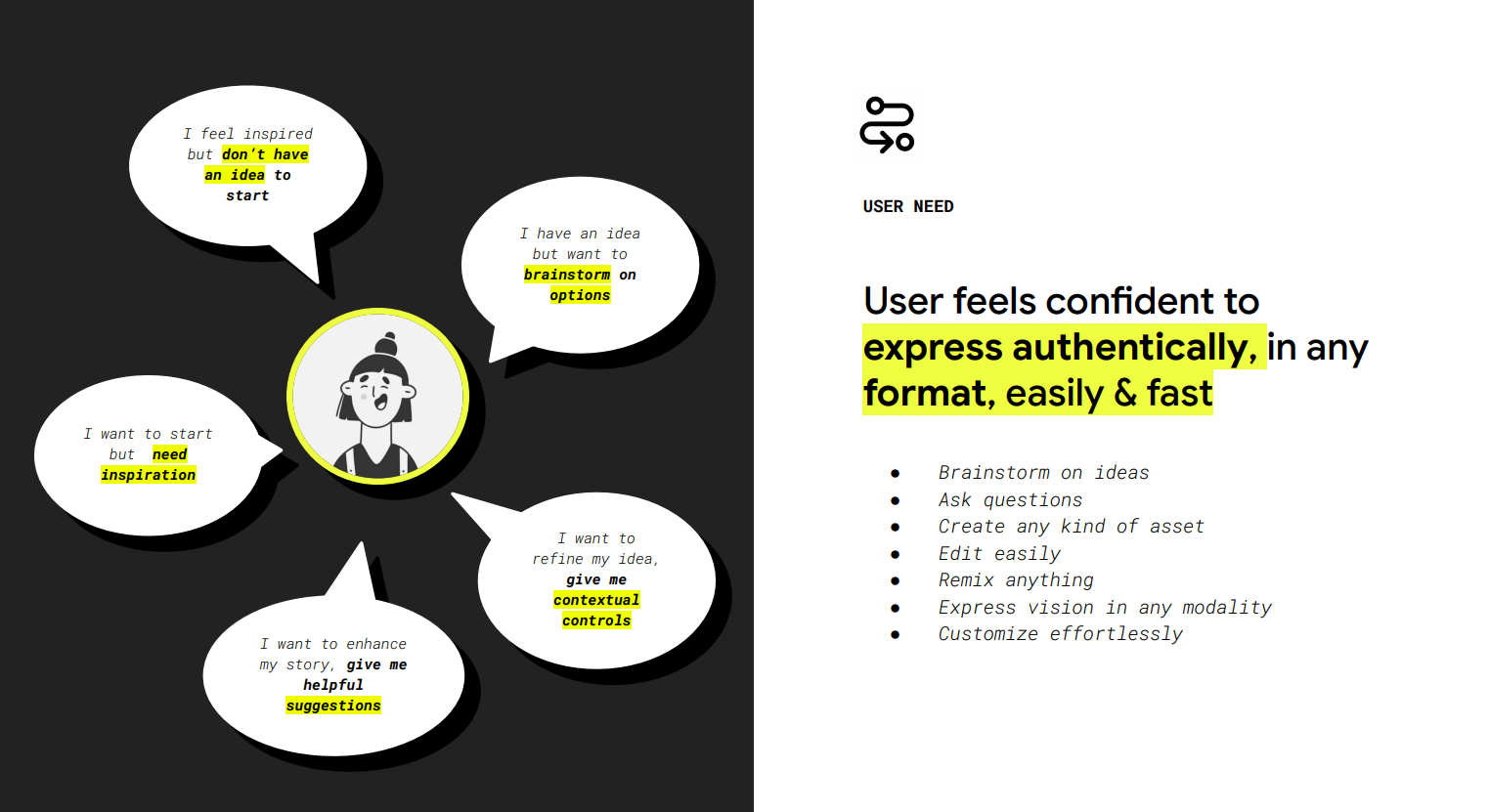
Our research showed users want AI to support them throughout the creation journey, automating difficult steps while offering flexibility.
GenAI Playground
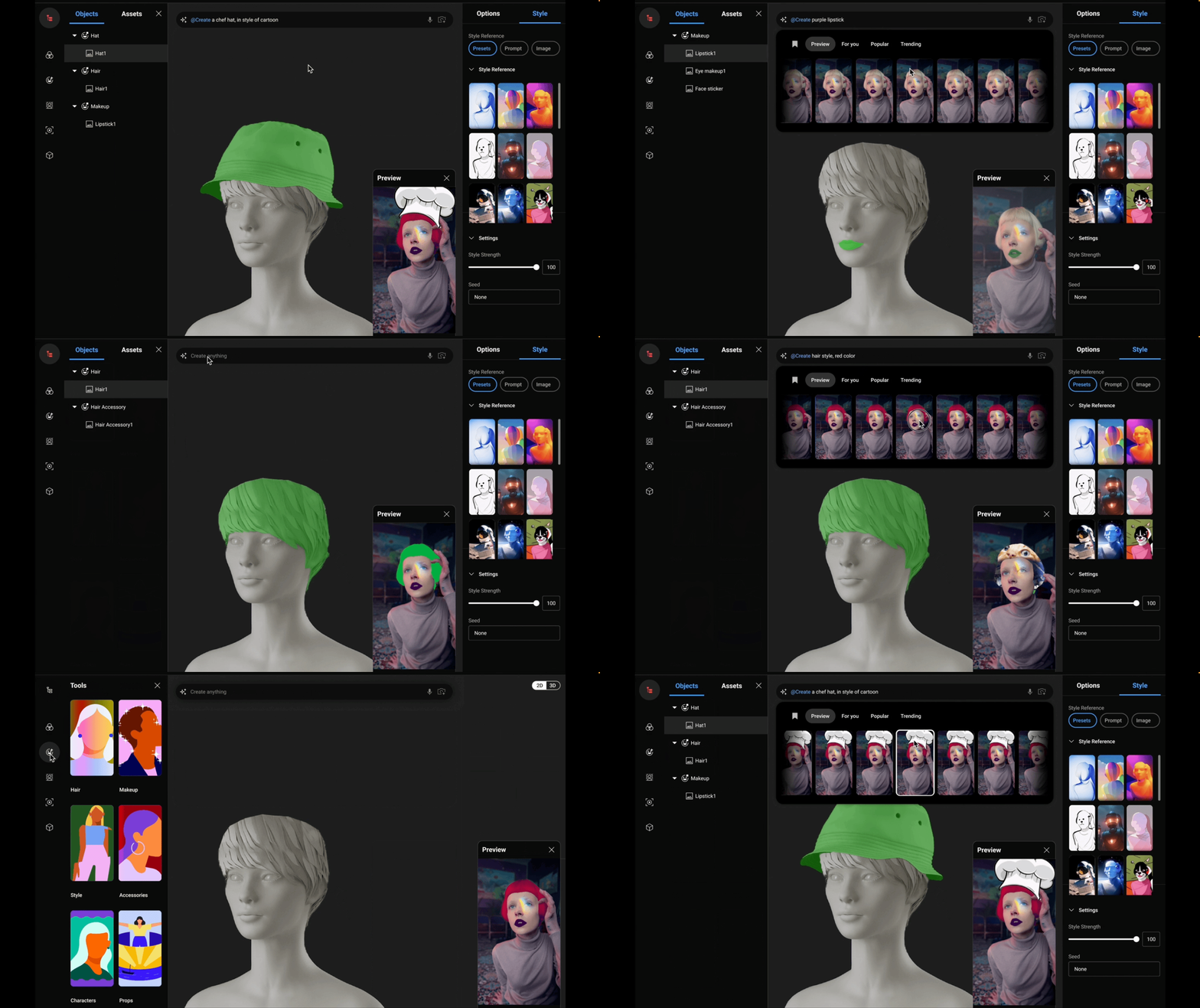
Provide tools & creative ingredients users need to tell their story easier, faster, and better.
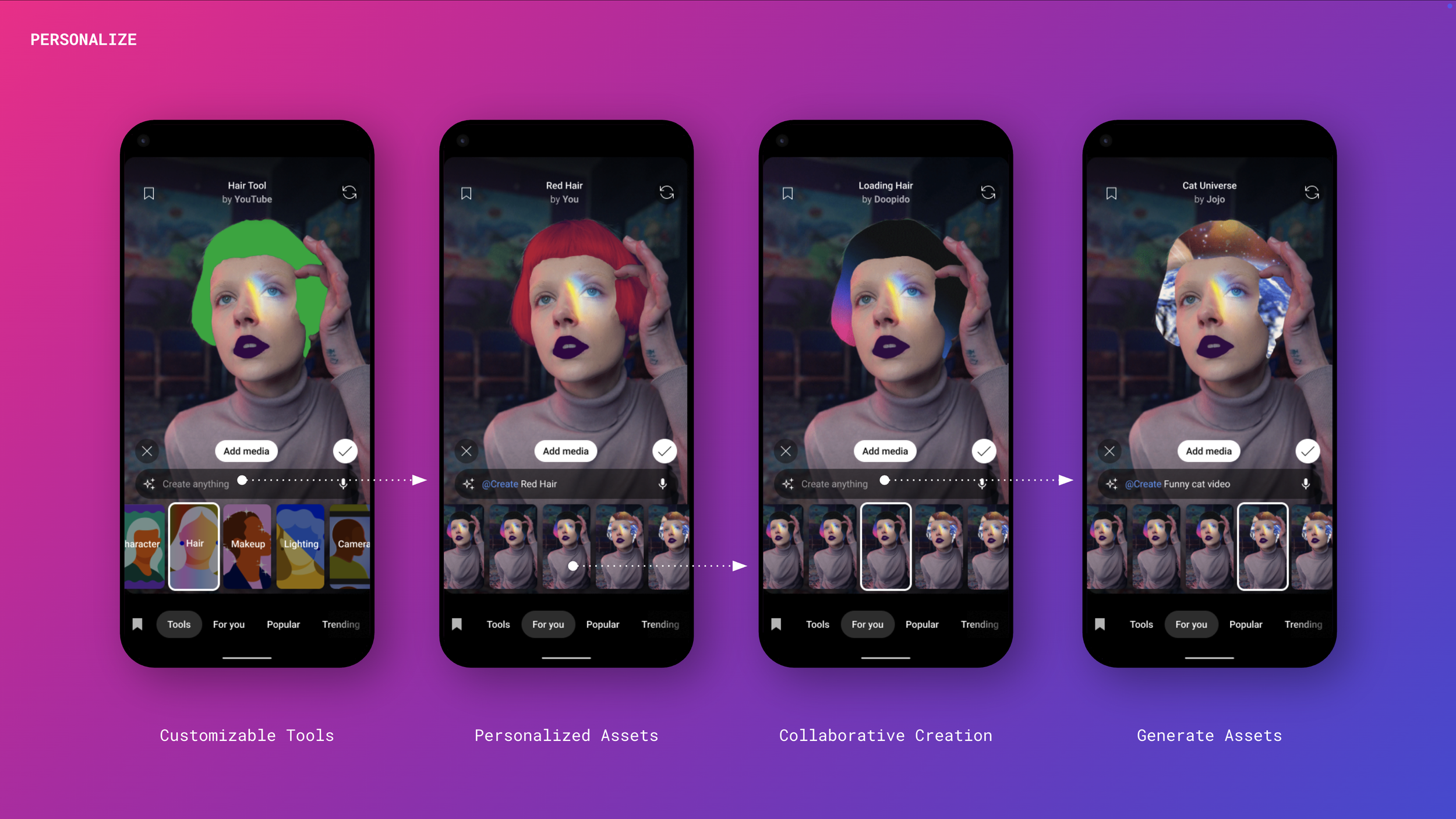
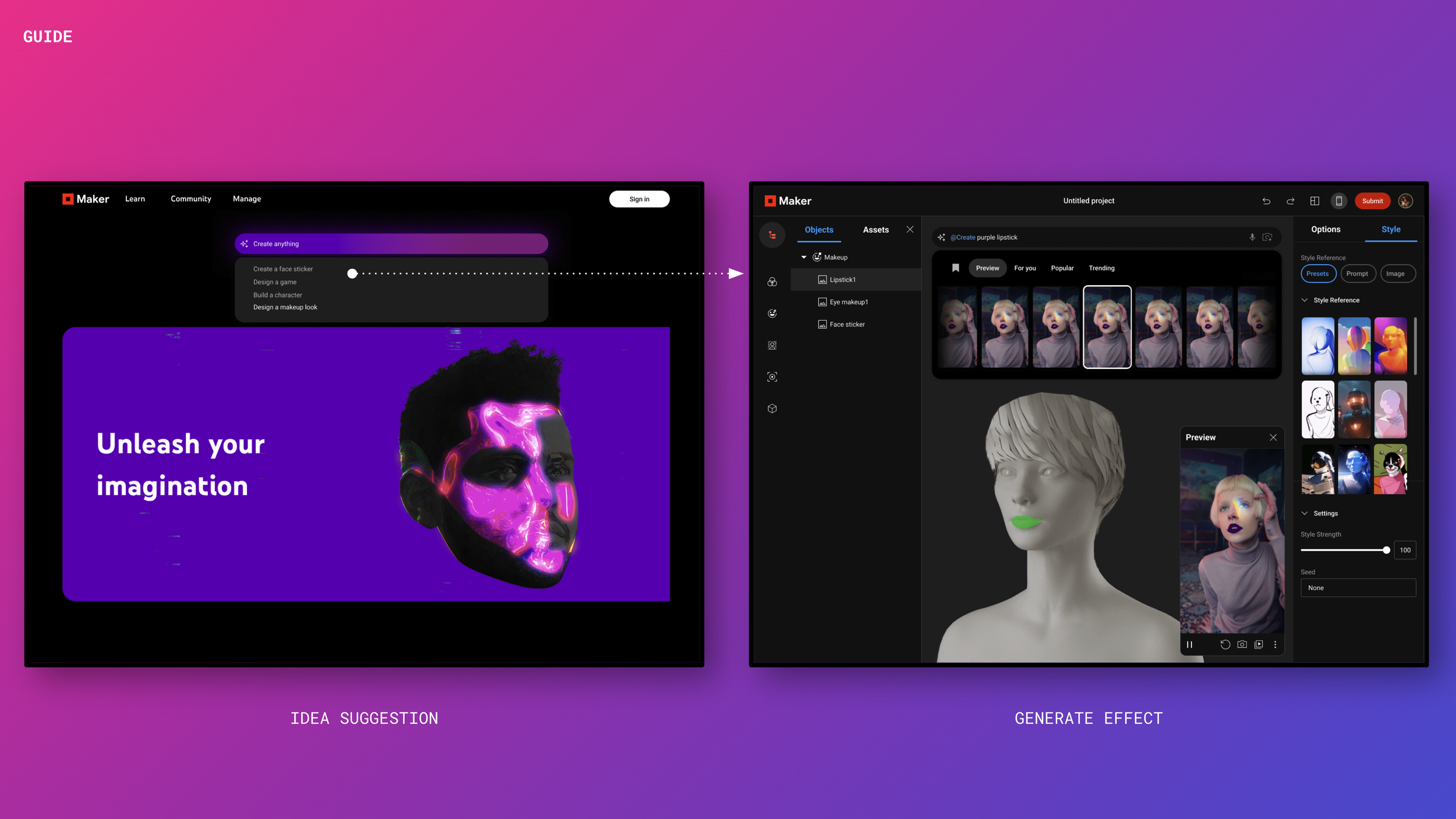
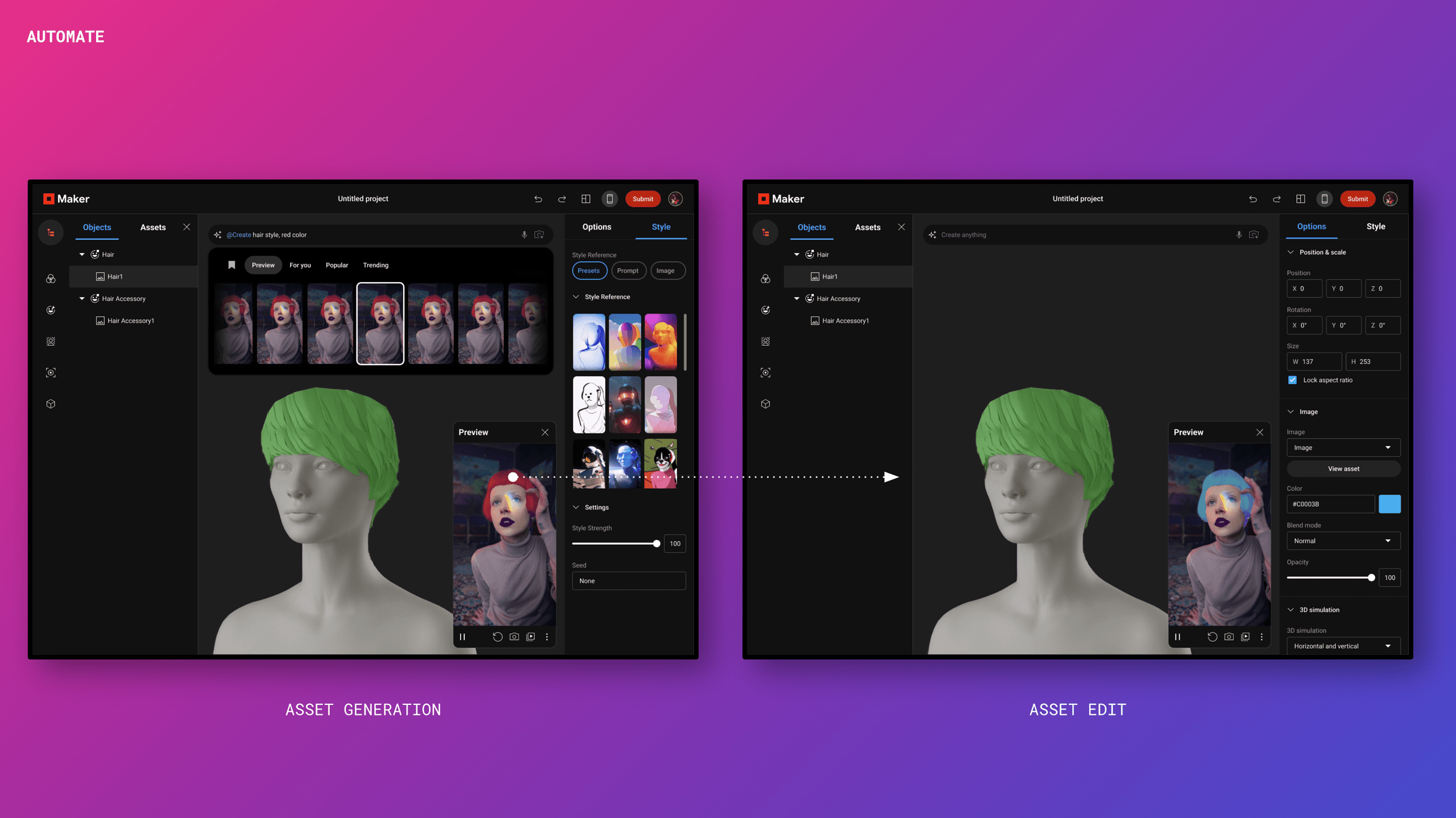
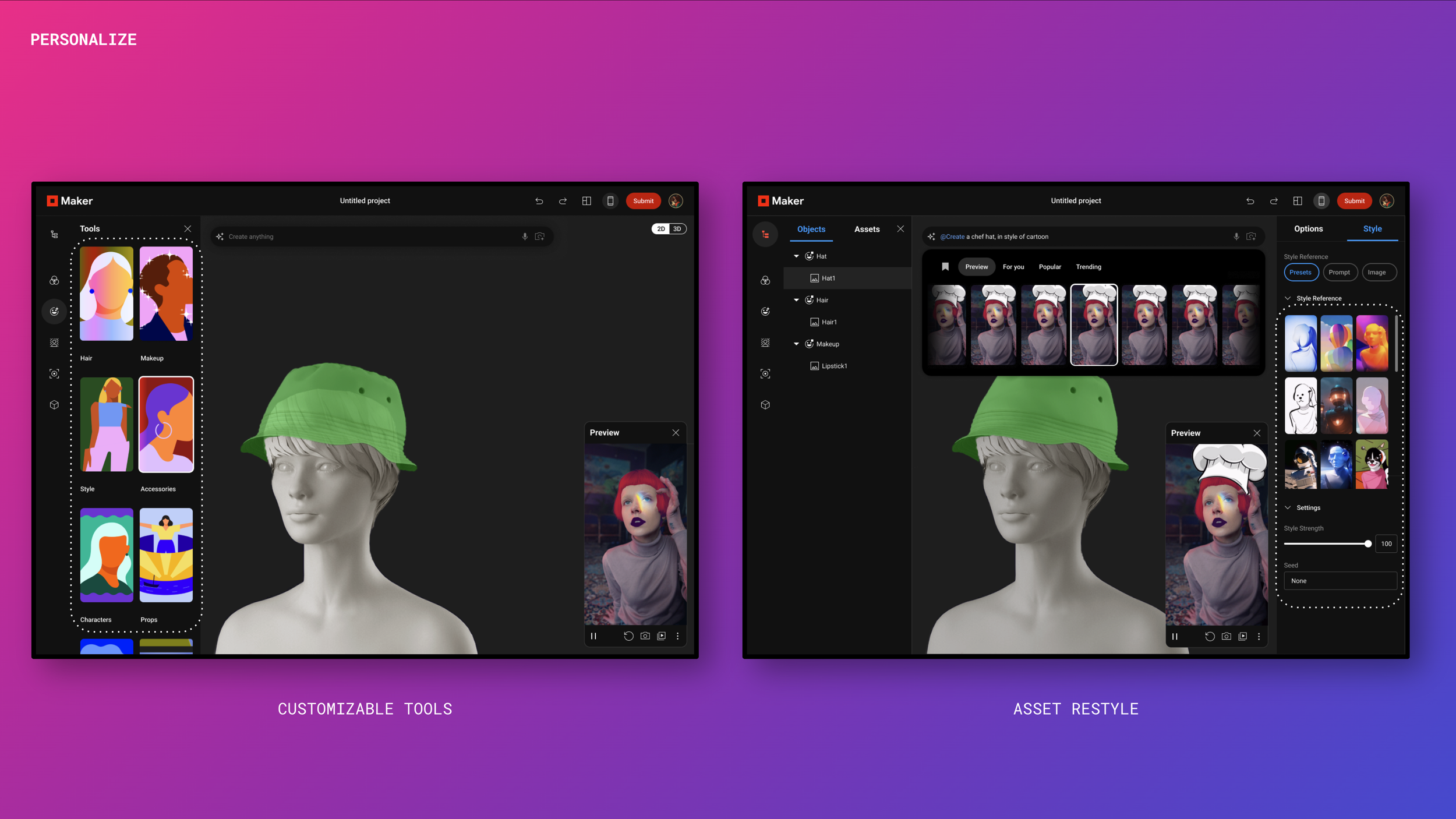
Outcome
I presented this vision deck YouTube leads, which began many discussions that eventually led to the formation of a new team for GenAI on YouTube.
Media Gen Platform
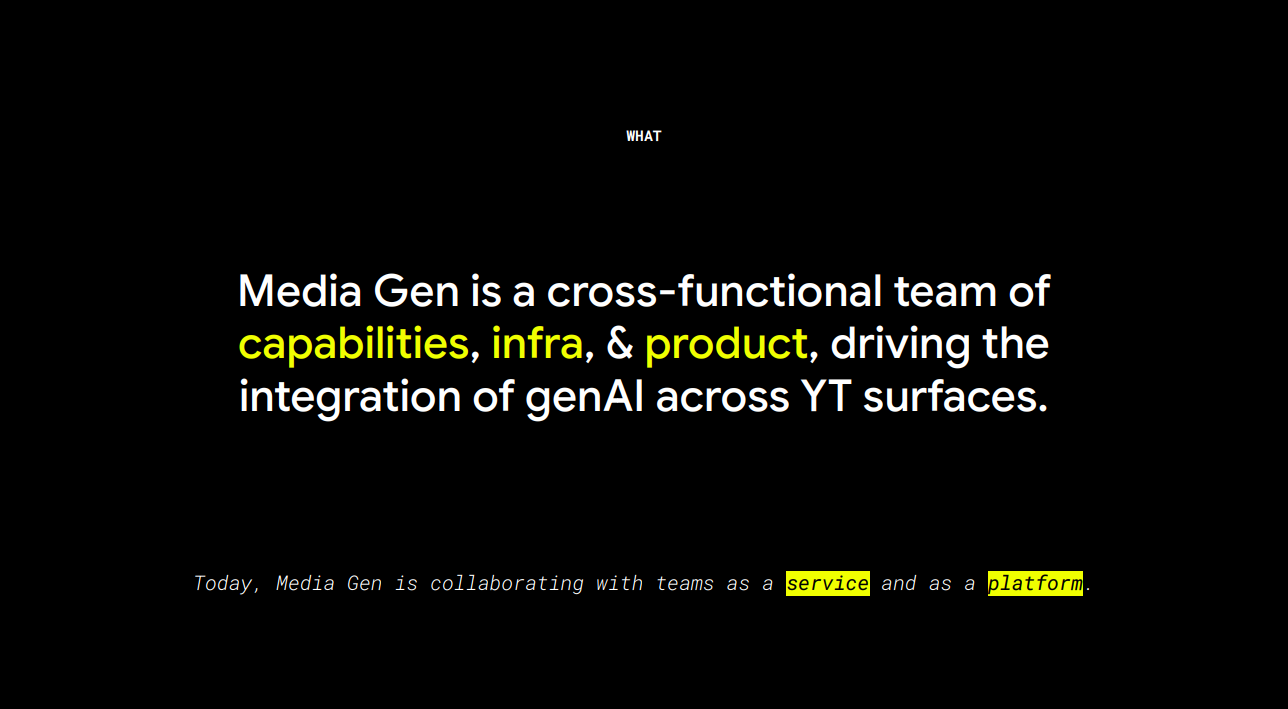
In 2024 a new team was formed at YouTube to bring GenAI capabilities to creation surfaces, and I was appointed to lead the UX.
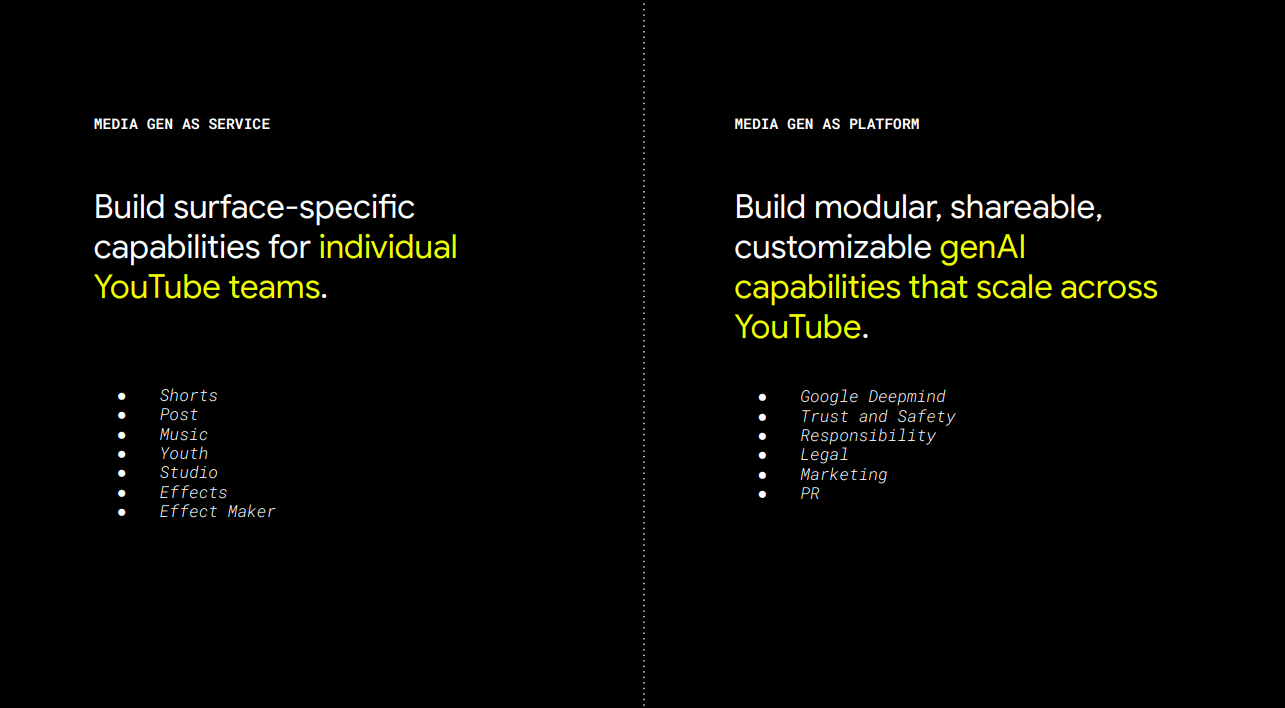
User Need
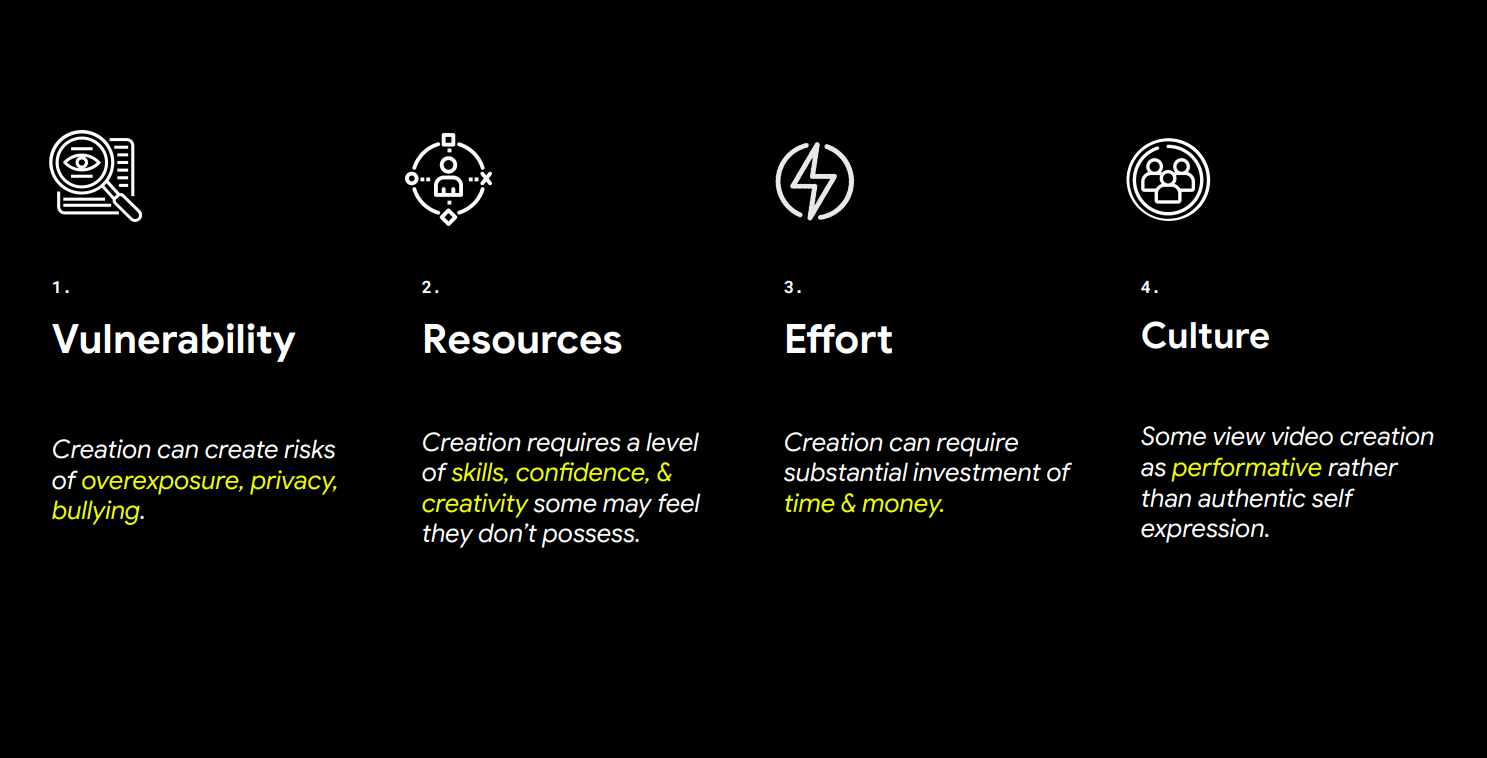
What stopped many users from creating was the fear of overexposure, lack of resources and time, and cultural expectations.
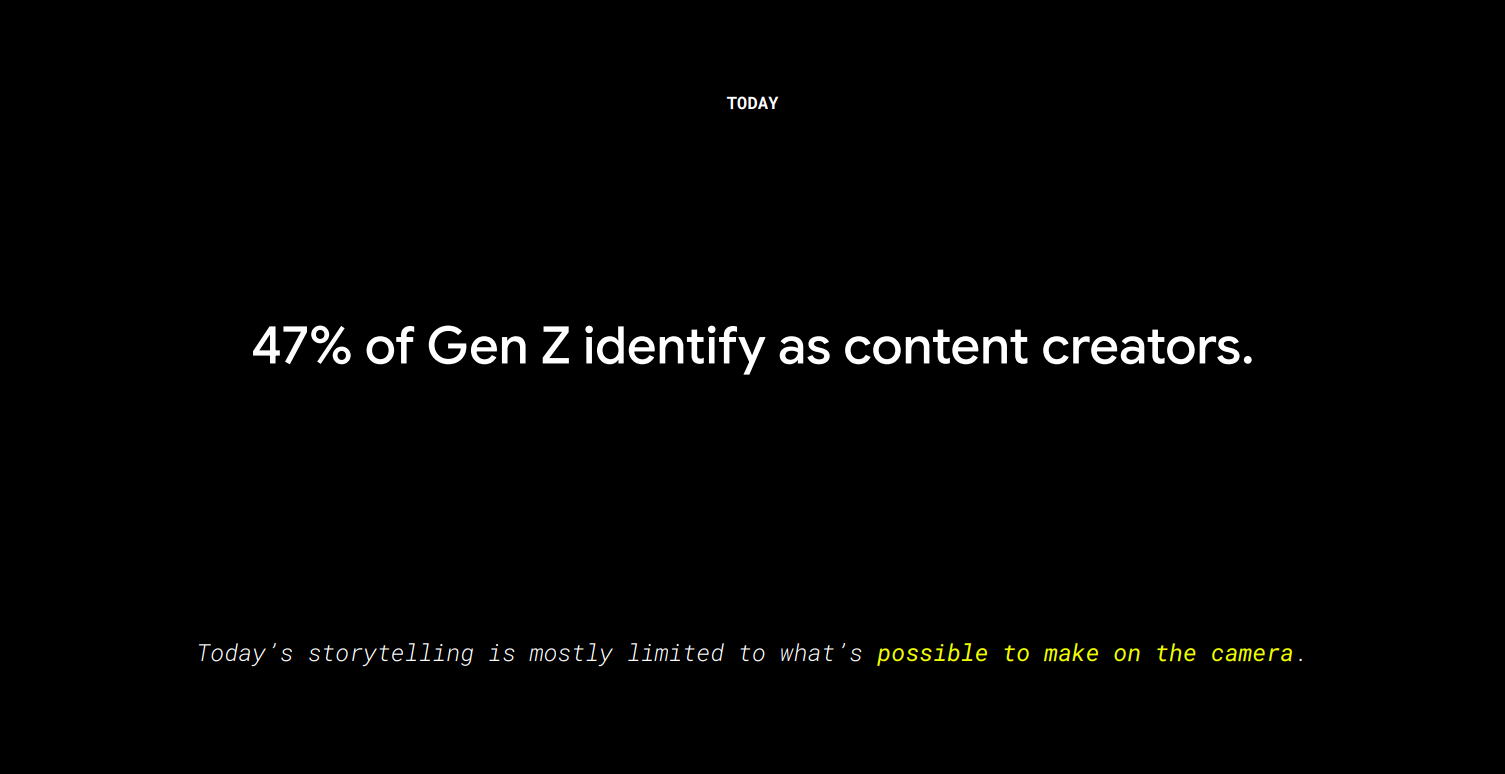
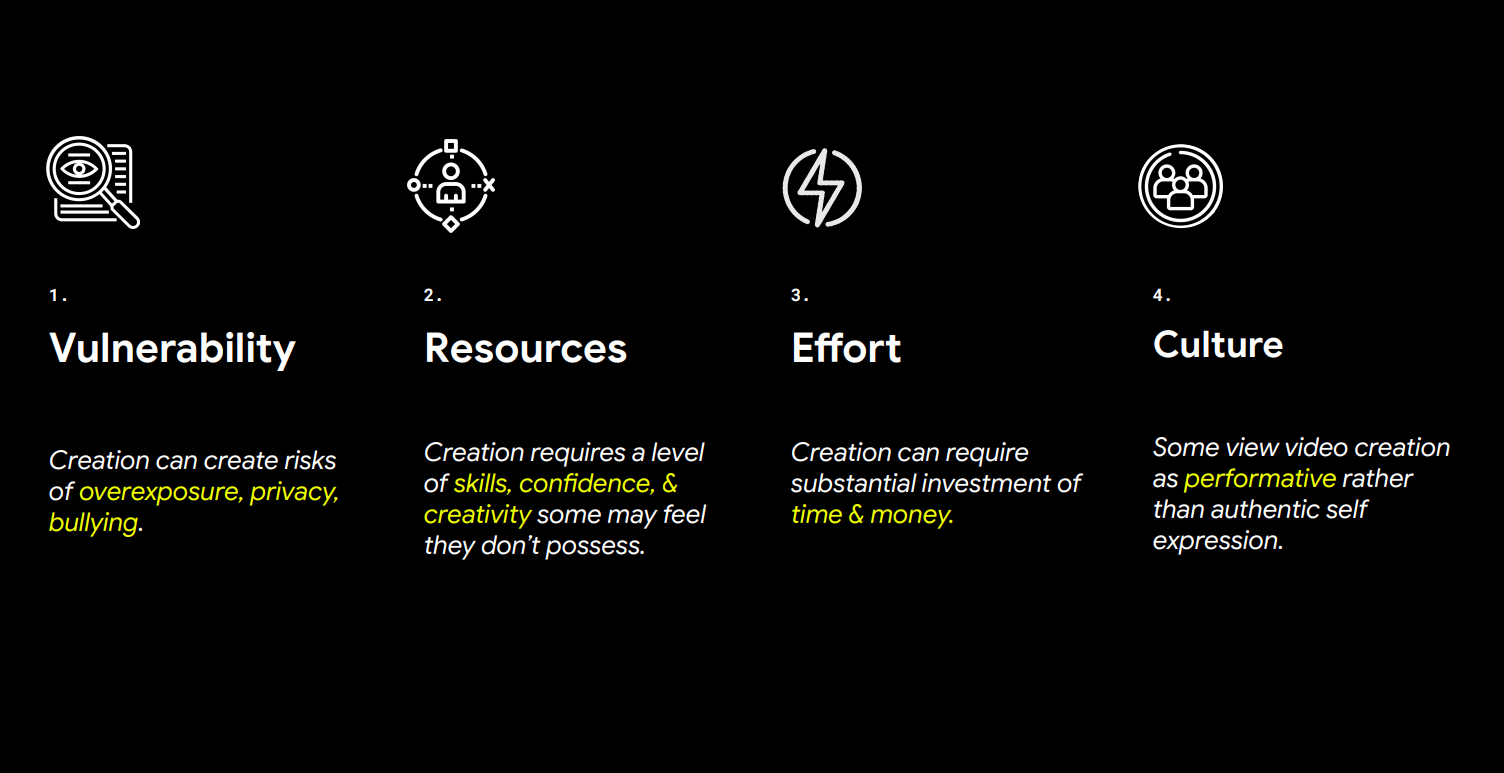
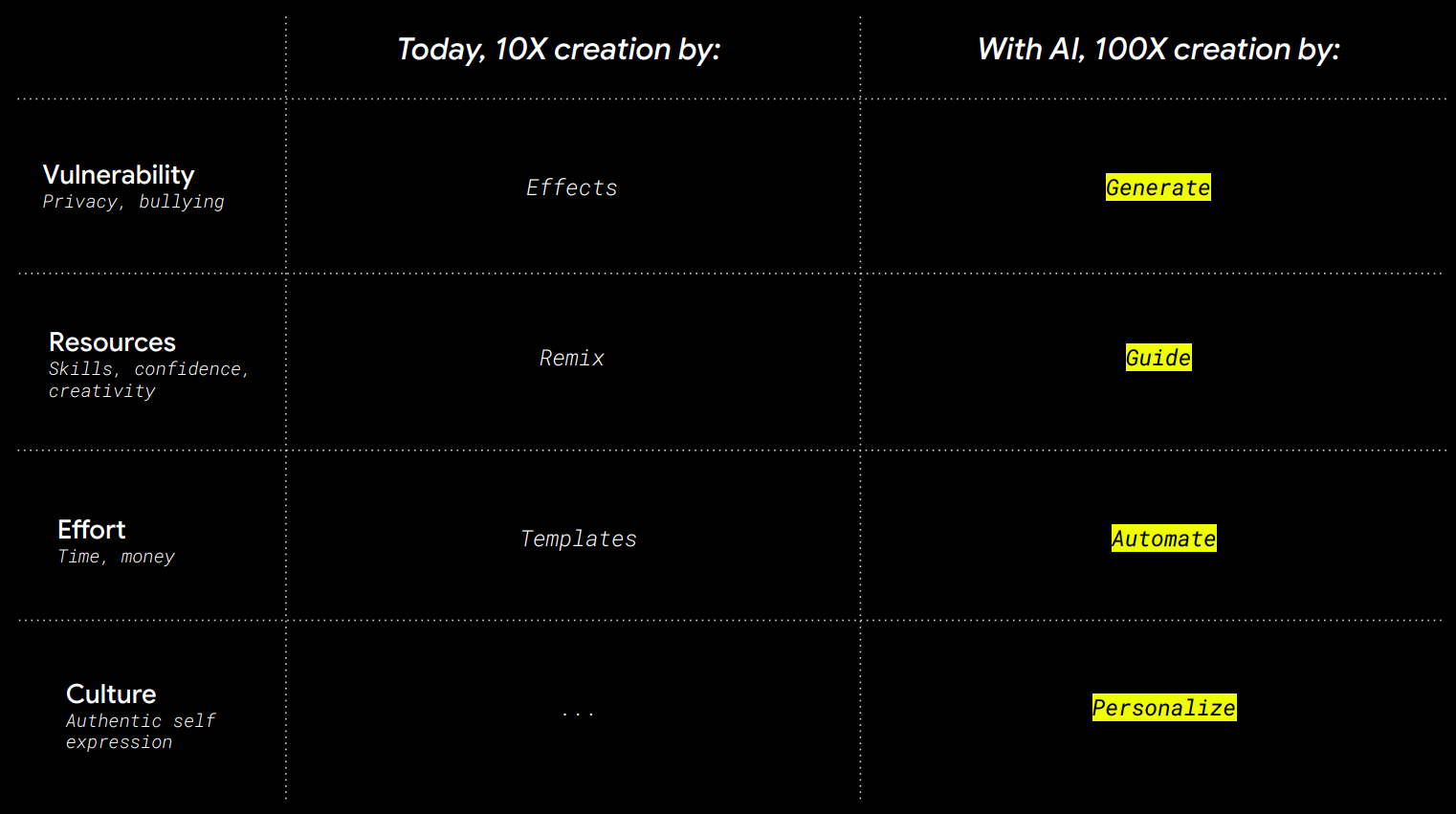
Solution
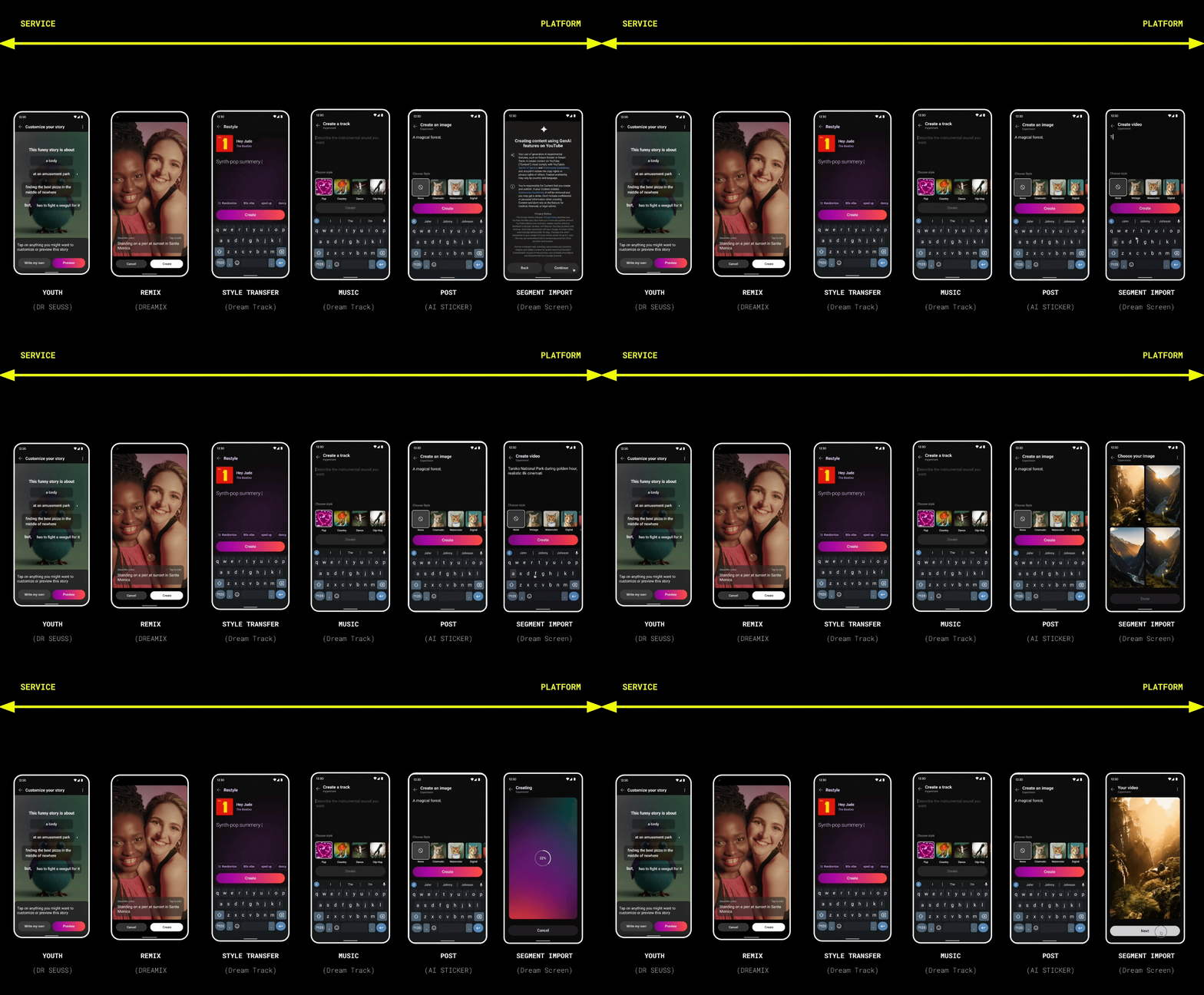
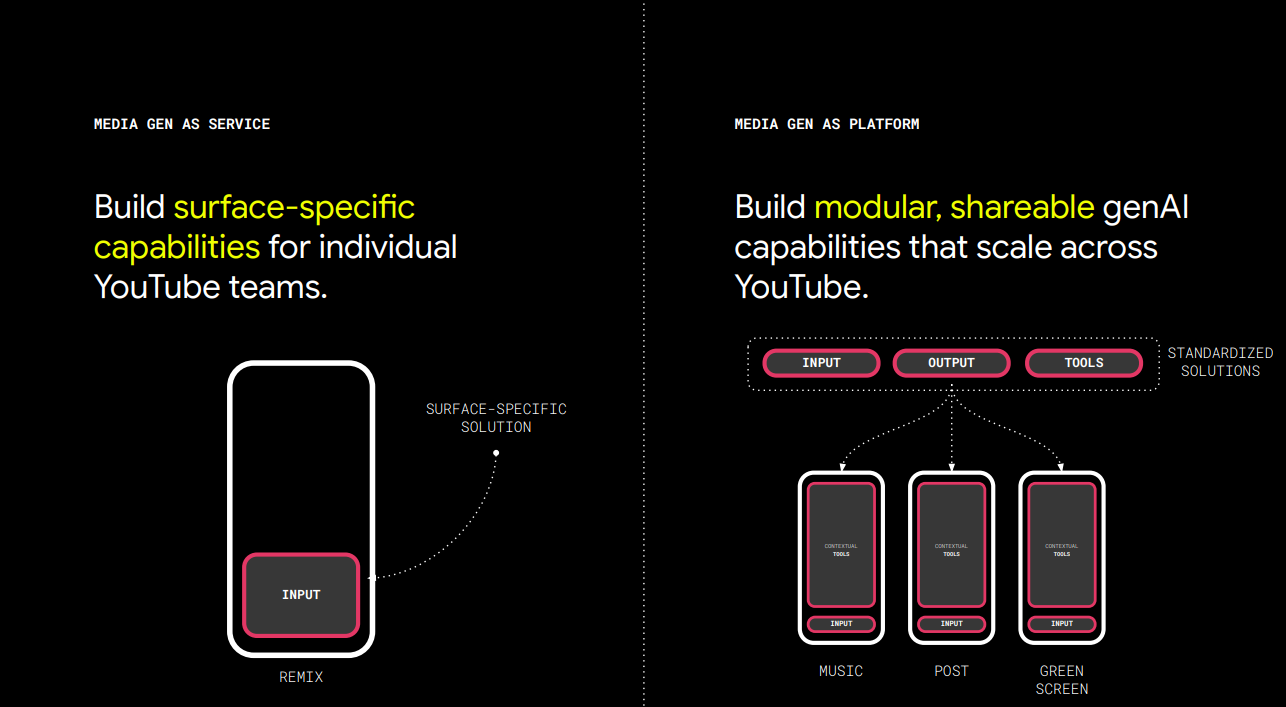
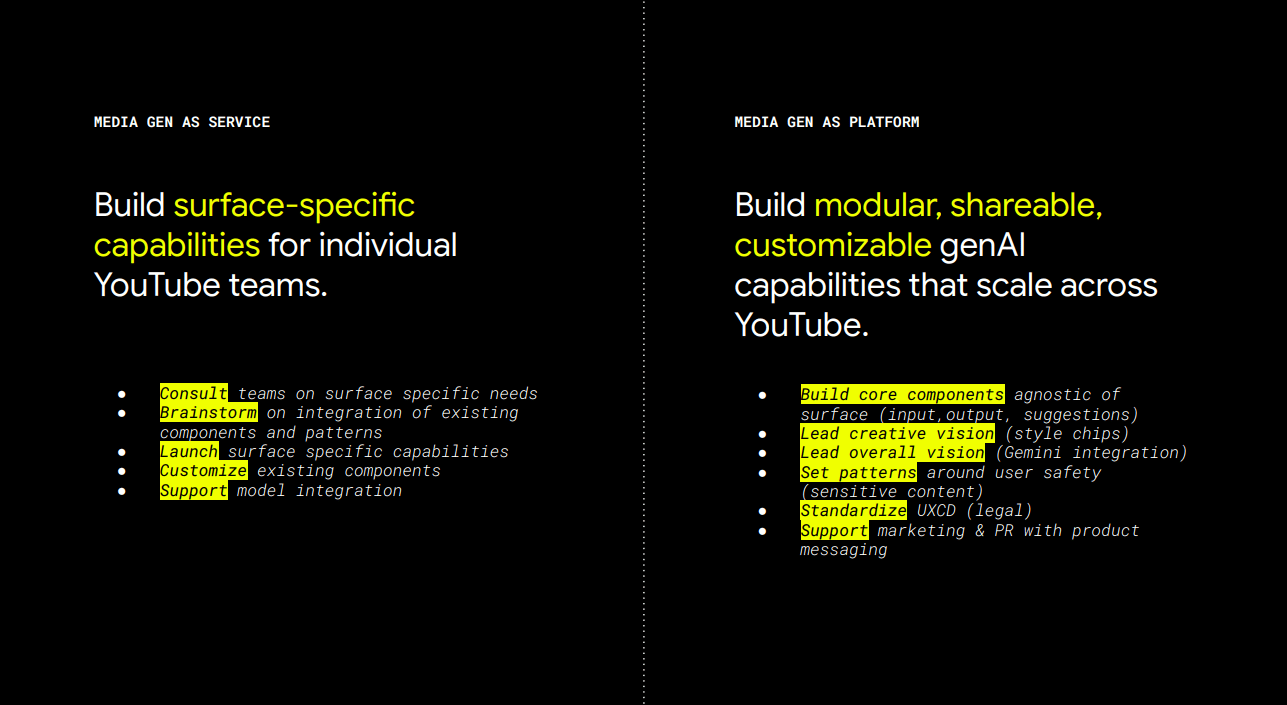
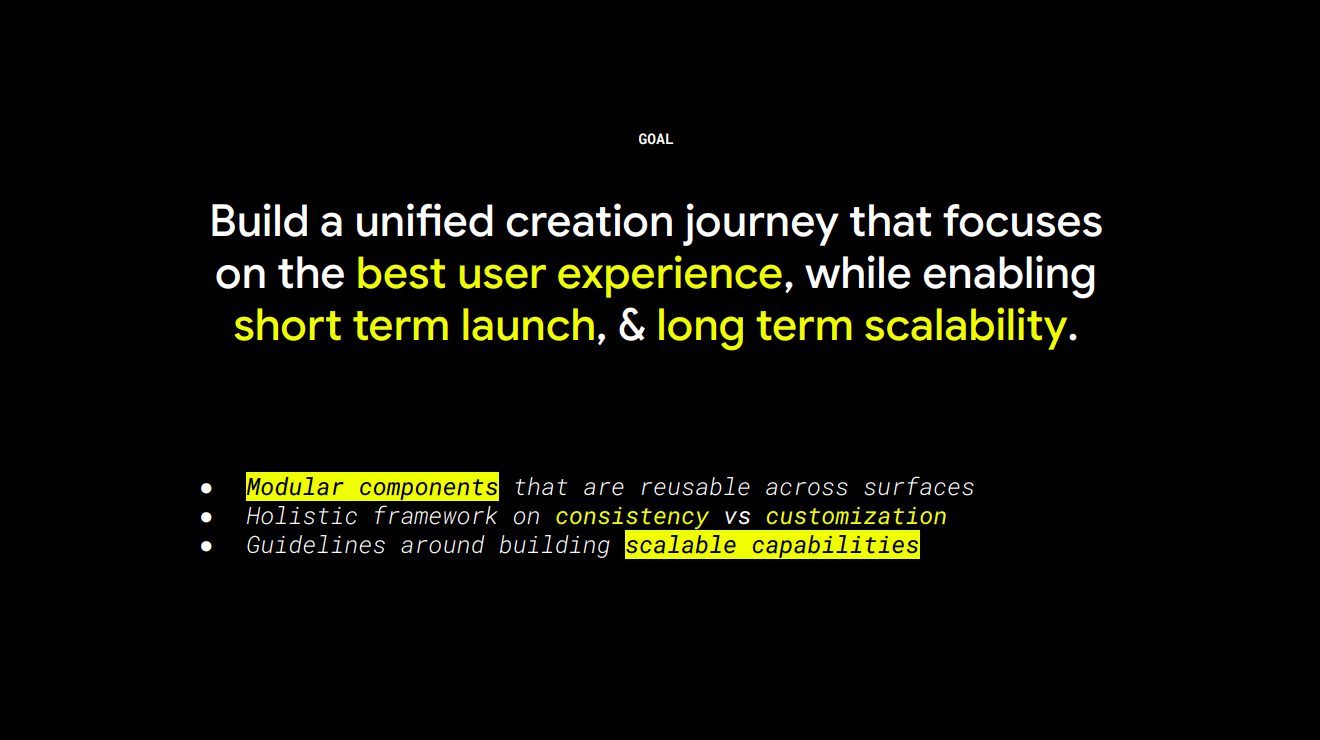
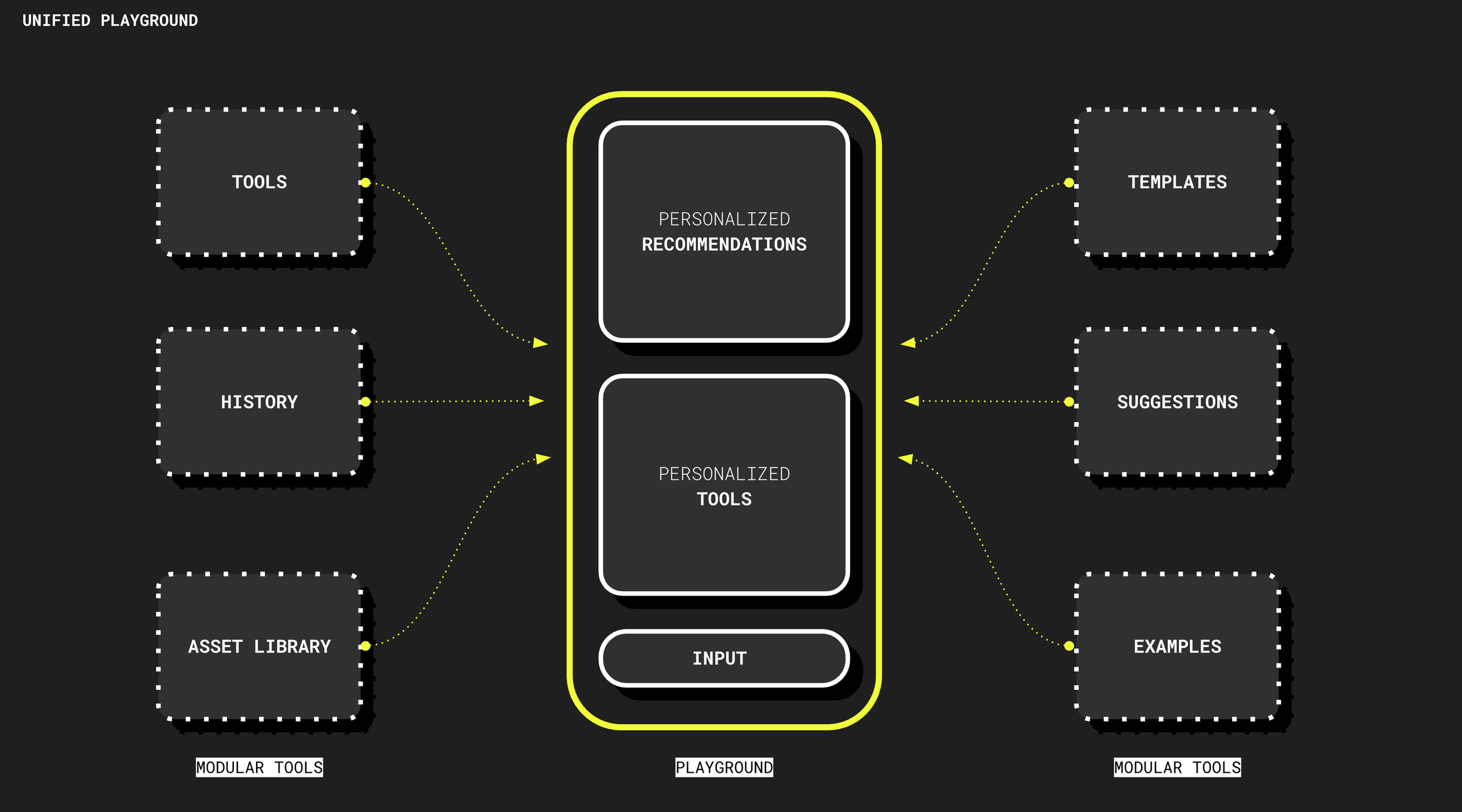
A unified creation journey with the user need at the center. To enable that, we shifted to working as a platform team, building modular components reusable across surfaces rather than custom solutions for each team.
Entrypoints
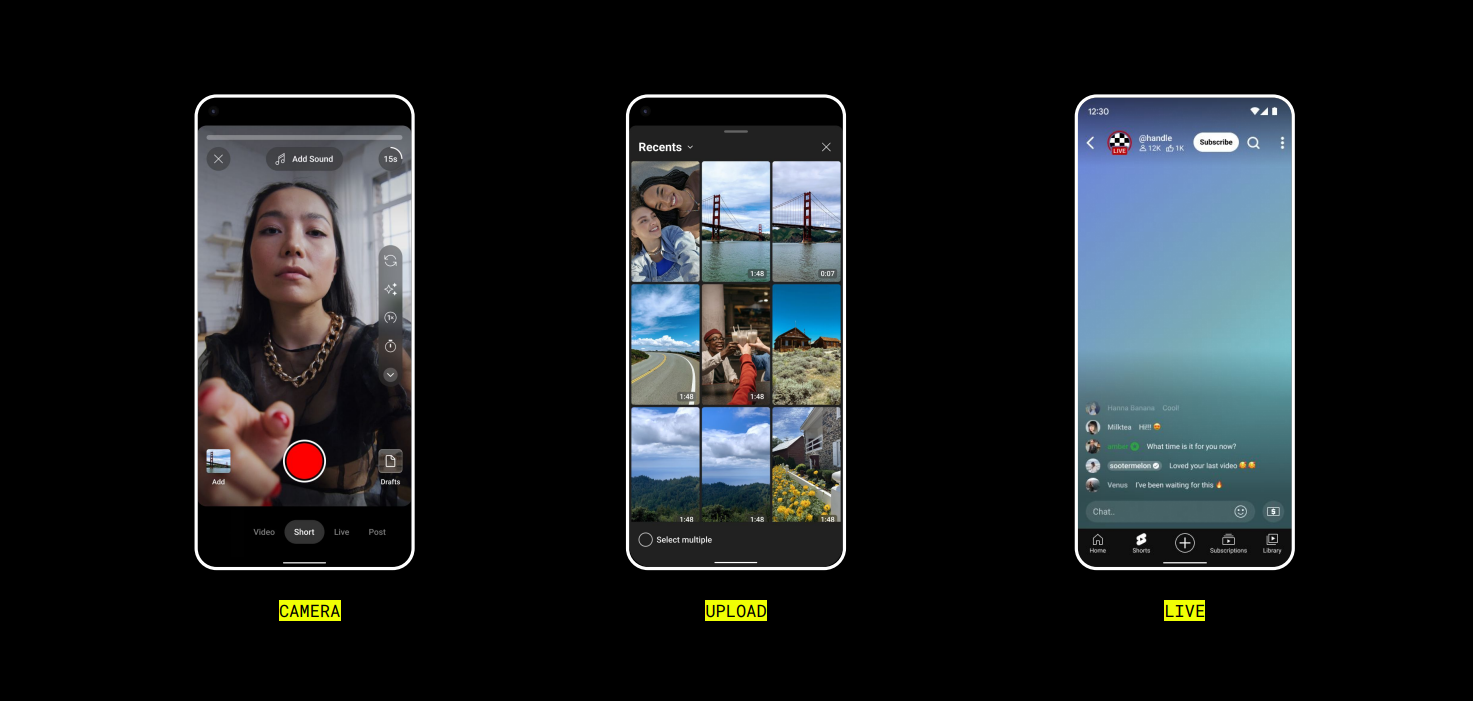
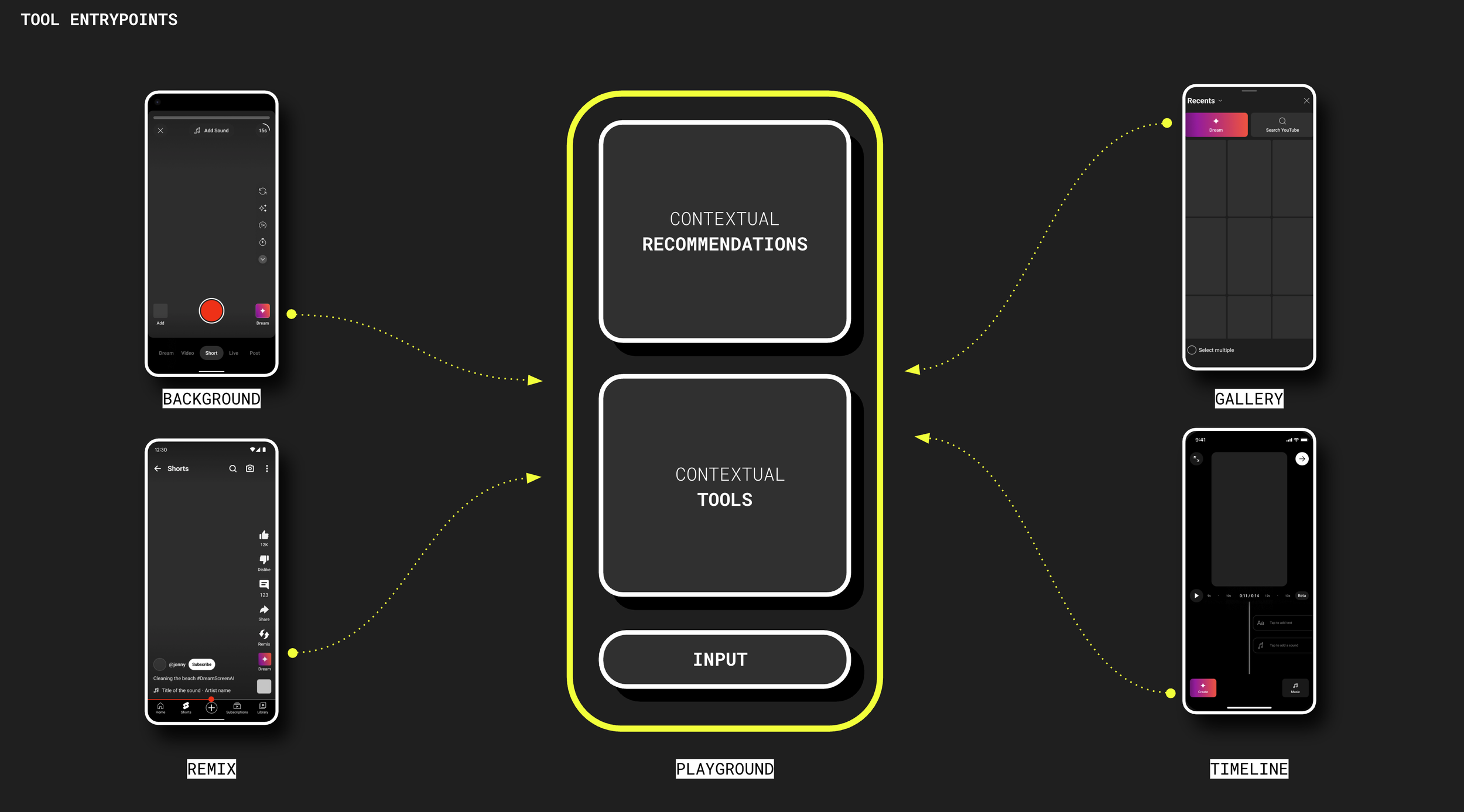
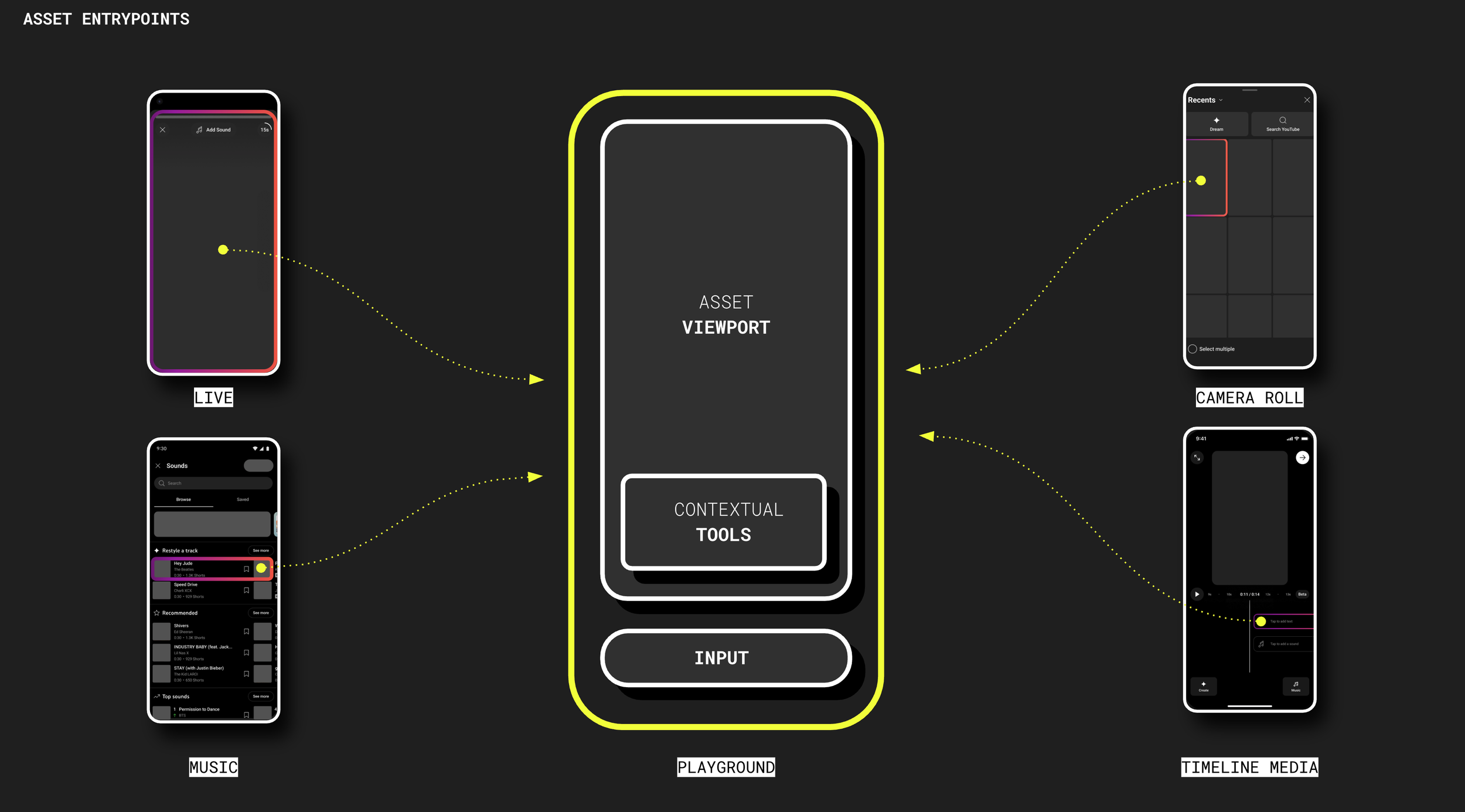
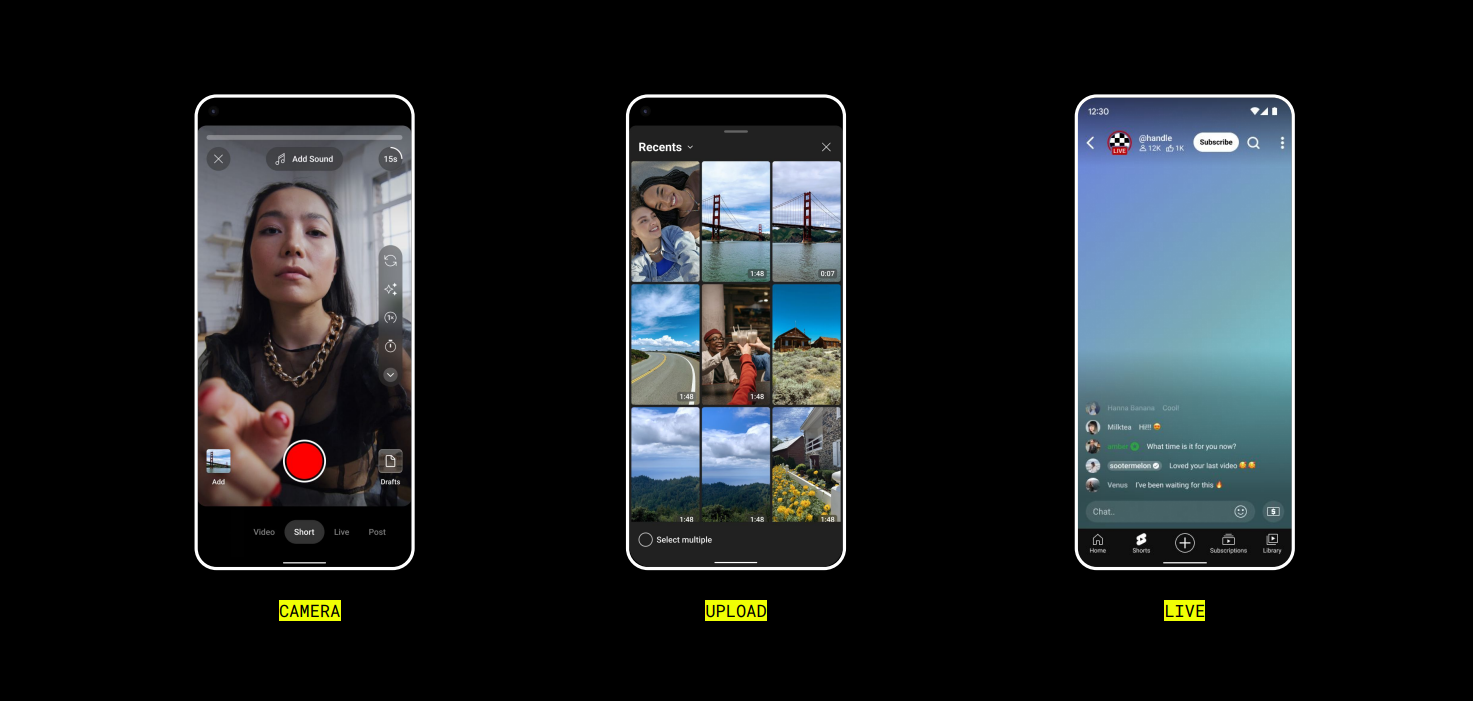
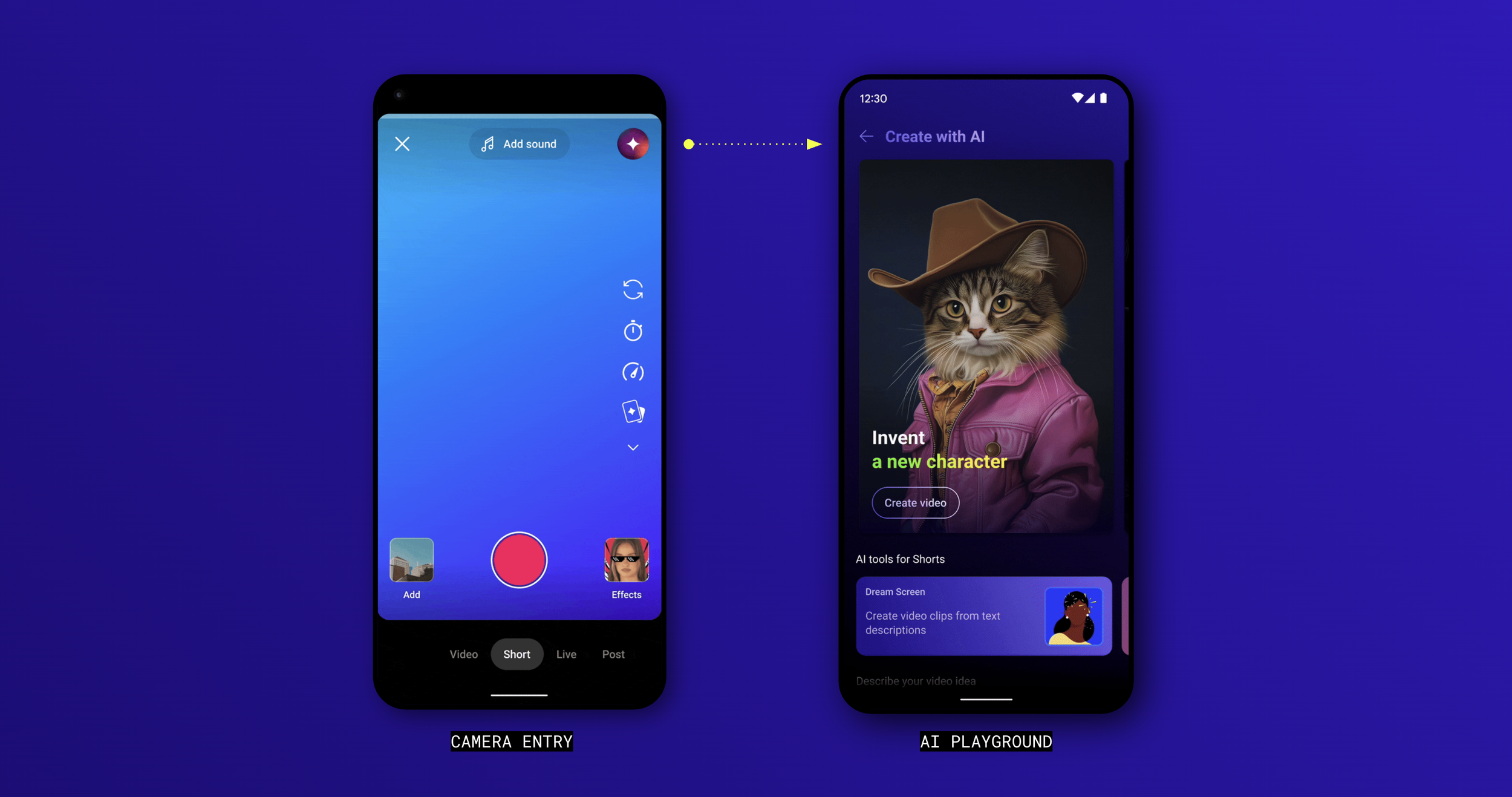
Users enter the creation journey from many different places across YouTube: Shorts, Effects, Camera, Upload, Post, and more, and the experience needed to feel consistent no matter the entry point.
Creation Journey
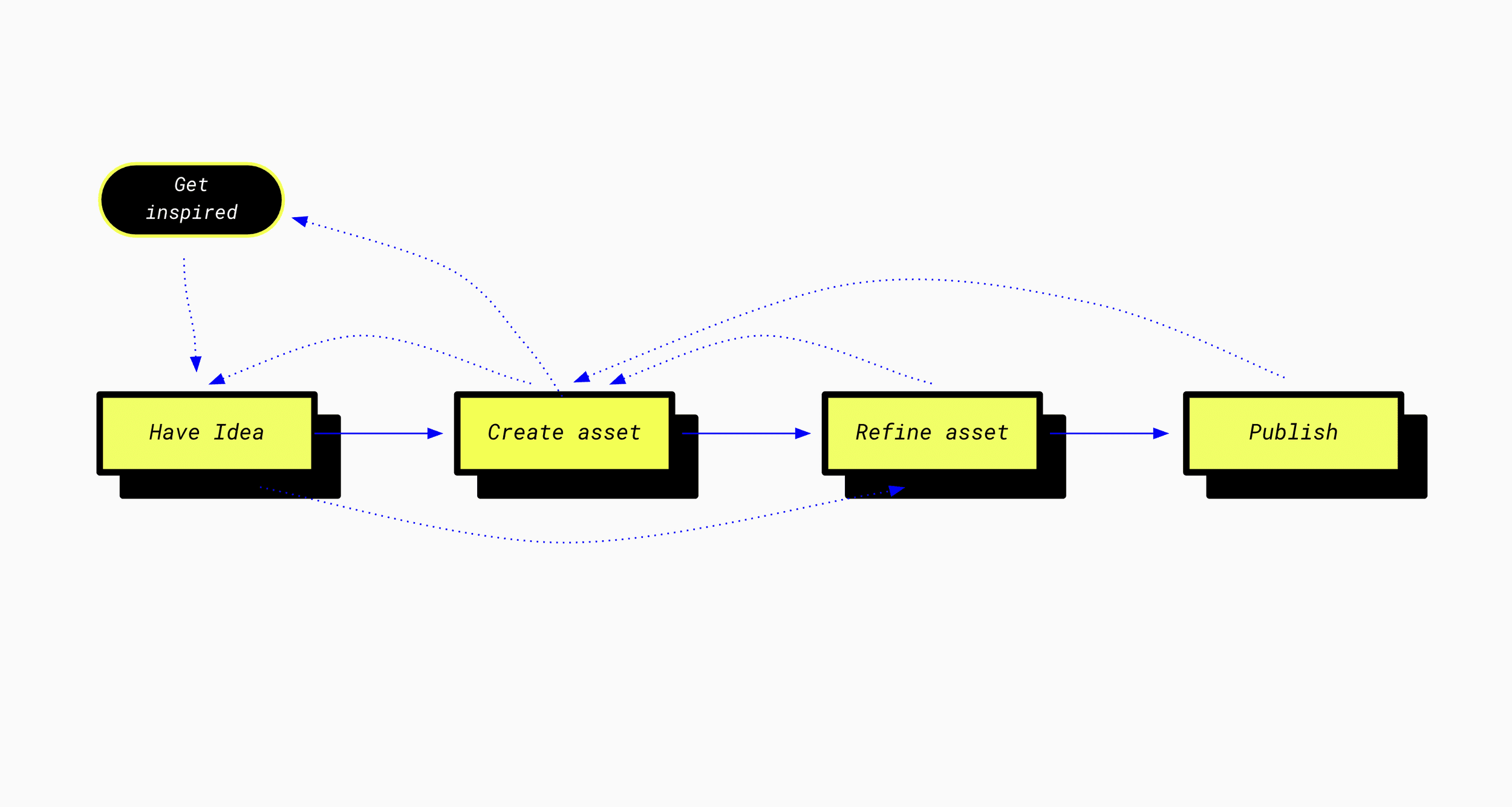
We mapped user needs against the creation journey to understand how the system needed to behave. A key research insight shaped everything: creation is non-linear.
Creation Steps
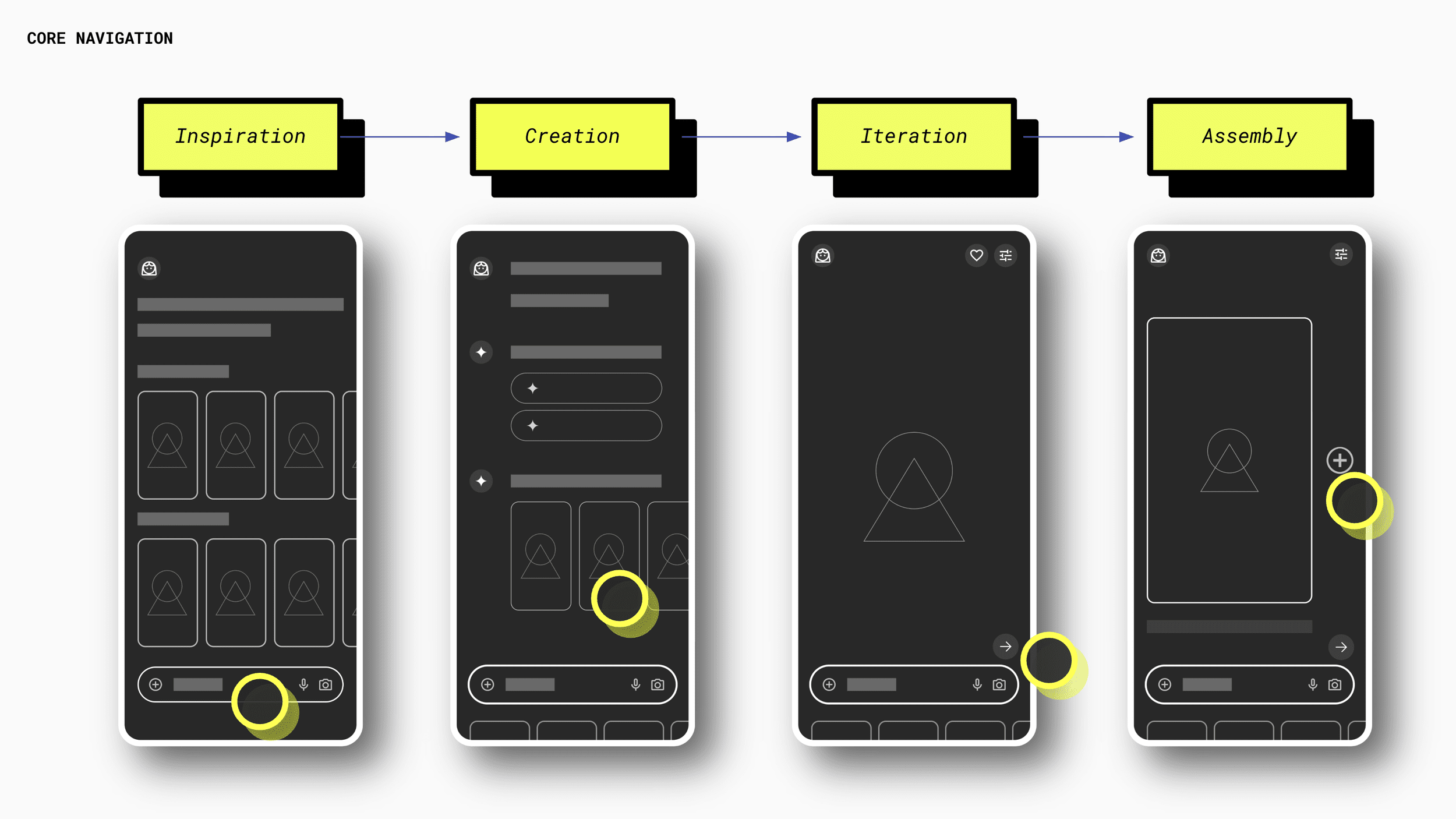
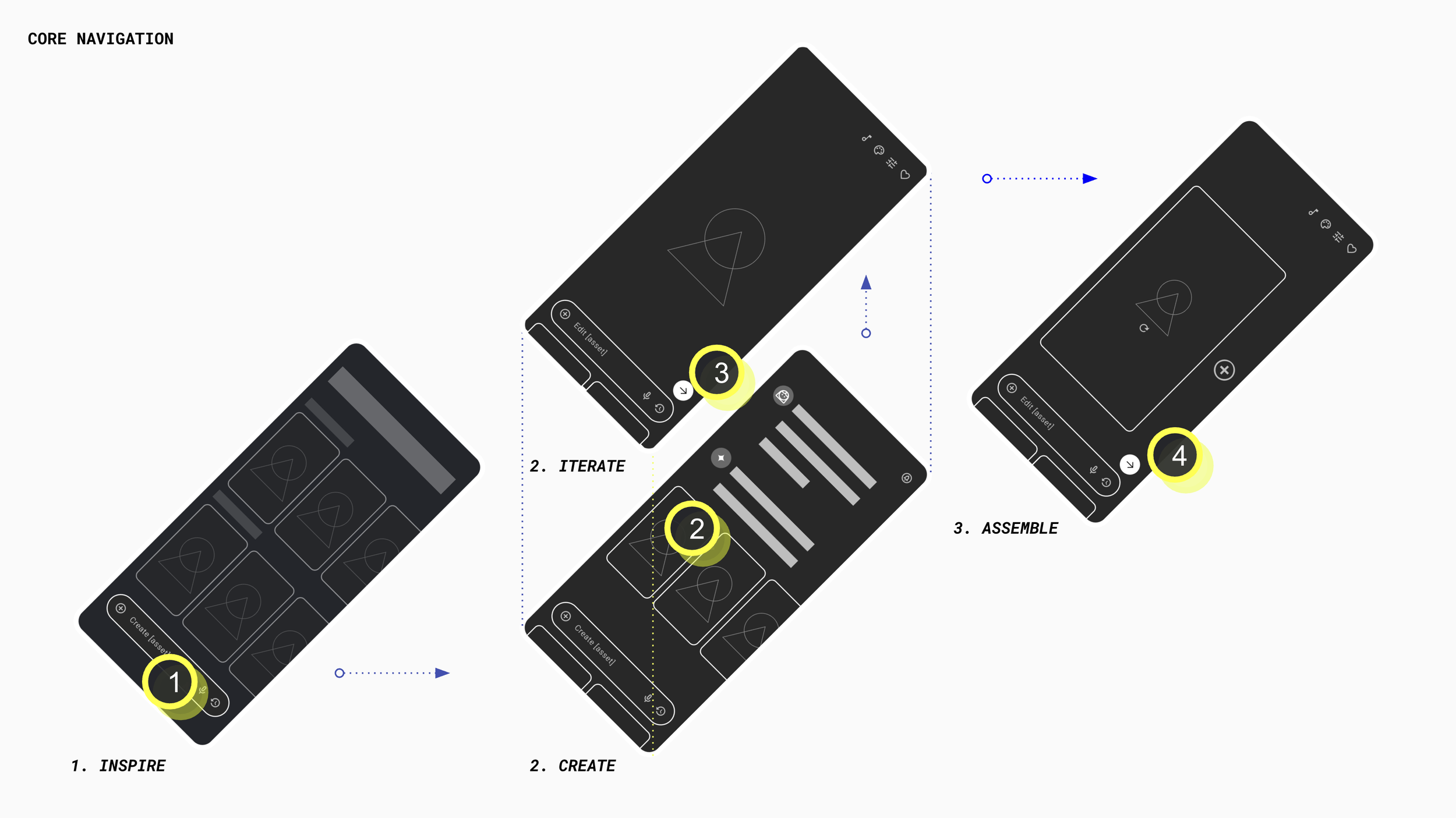
Based on our research, we distilled the creation journey into four distinct user intents: inspiration, creation, iteration, and assembly. Each intent mapped to specific user needs, giving us four clear modules with defined components that fit within each.
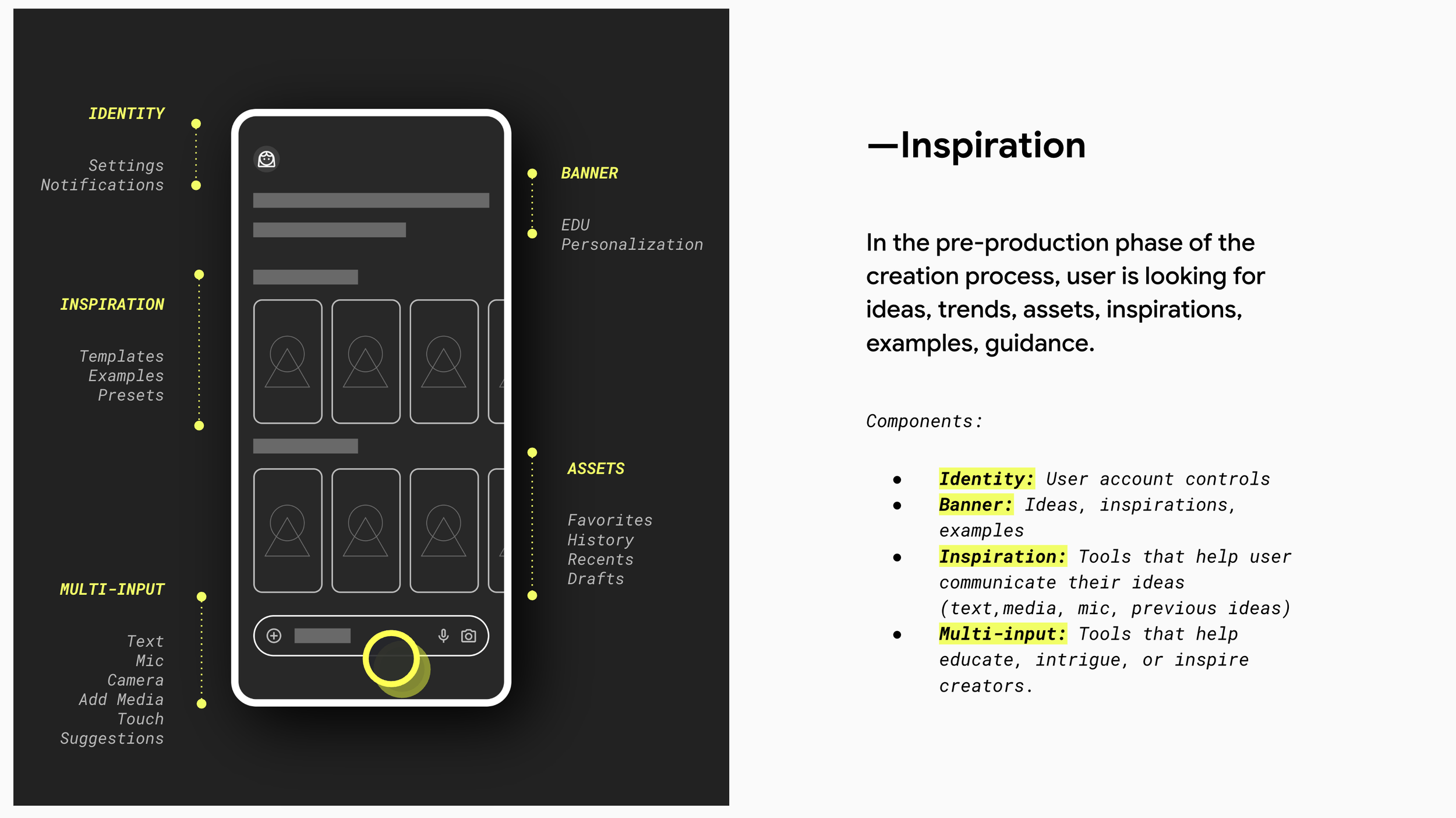
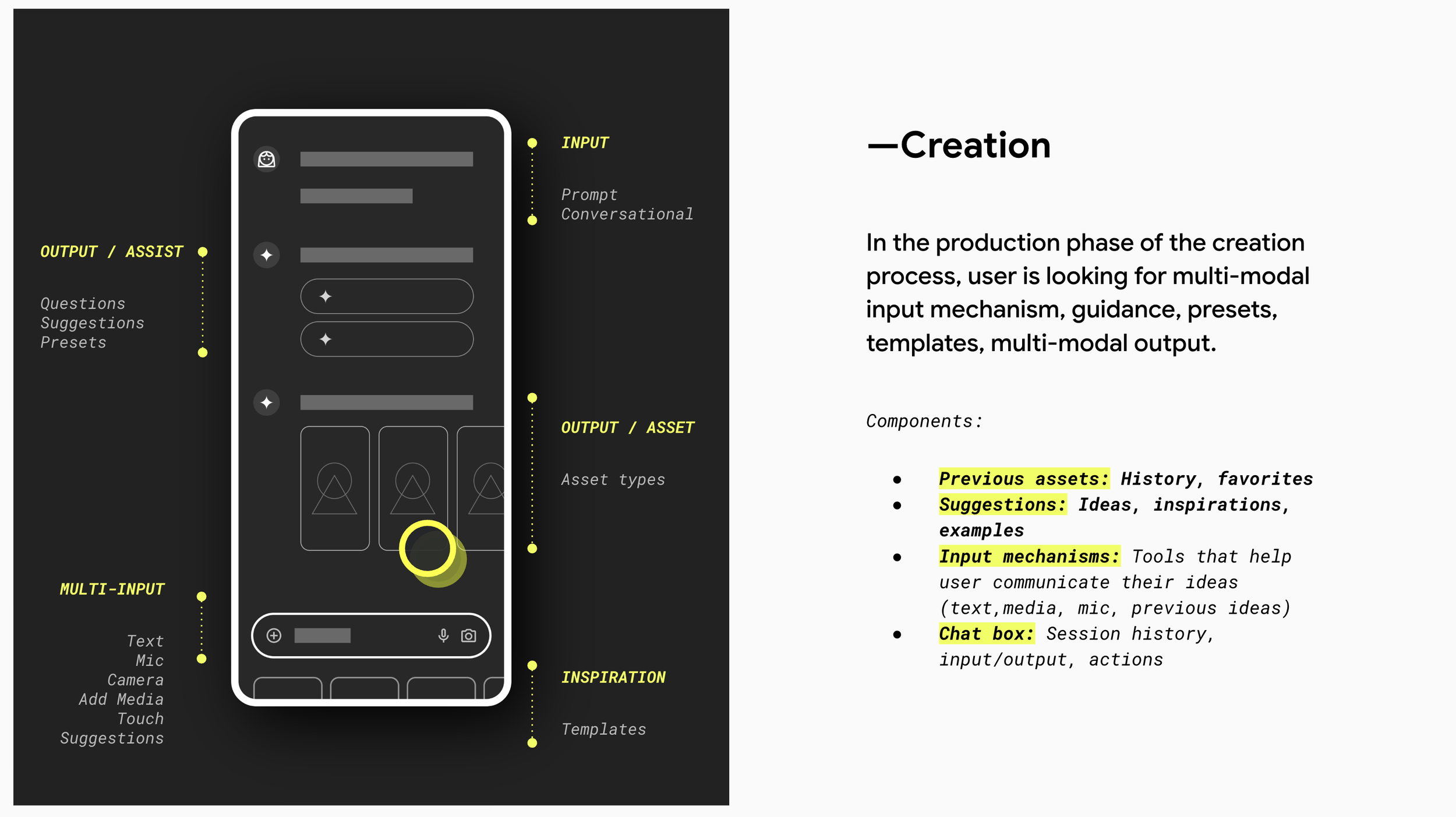
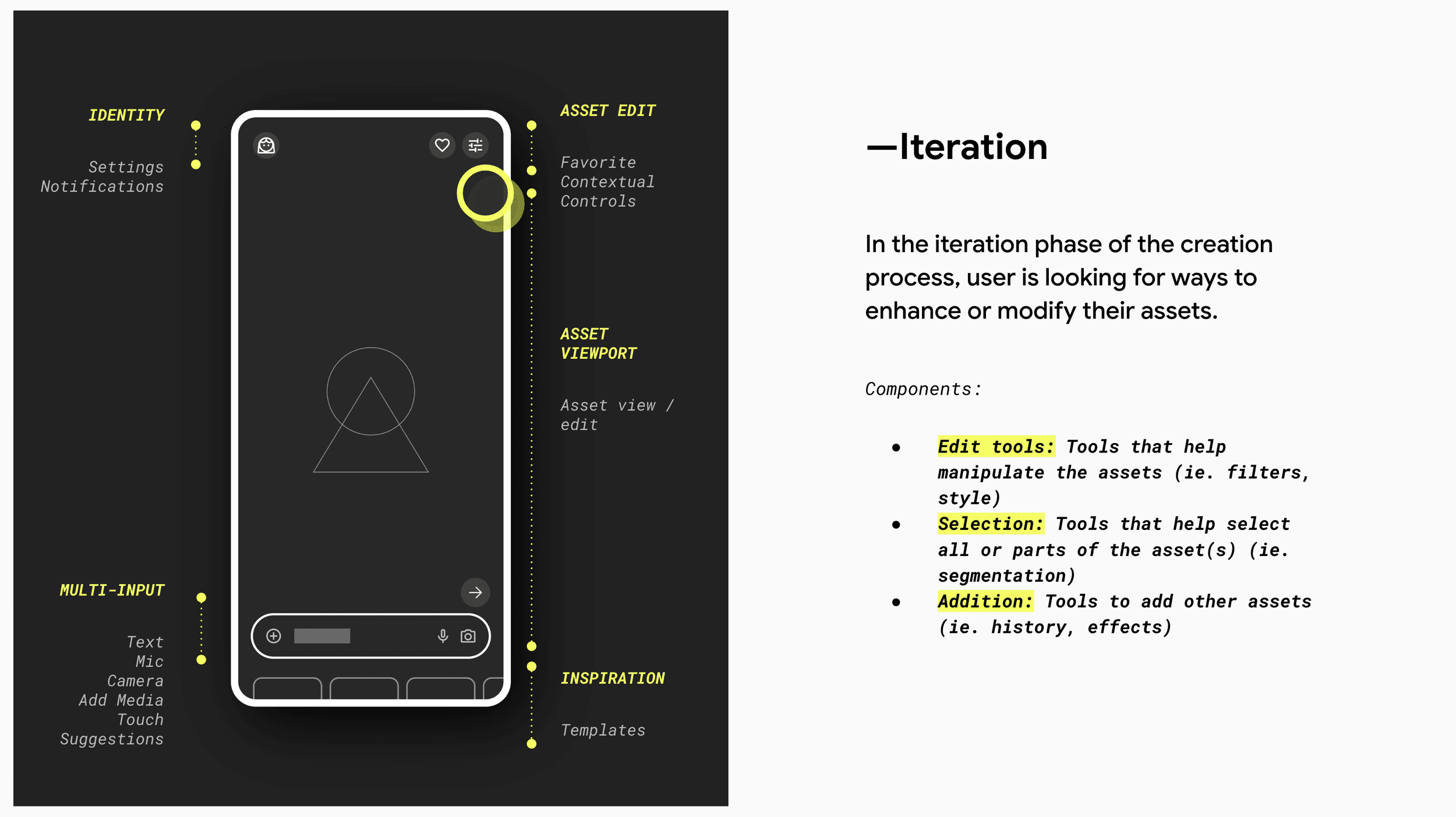
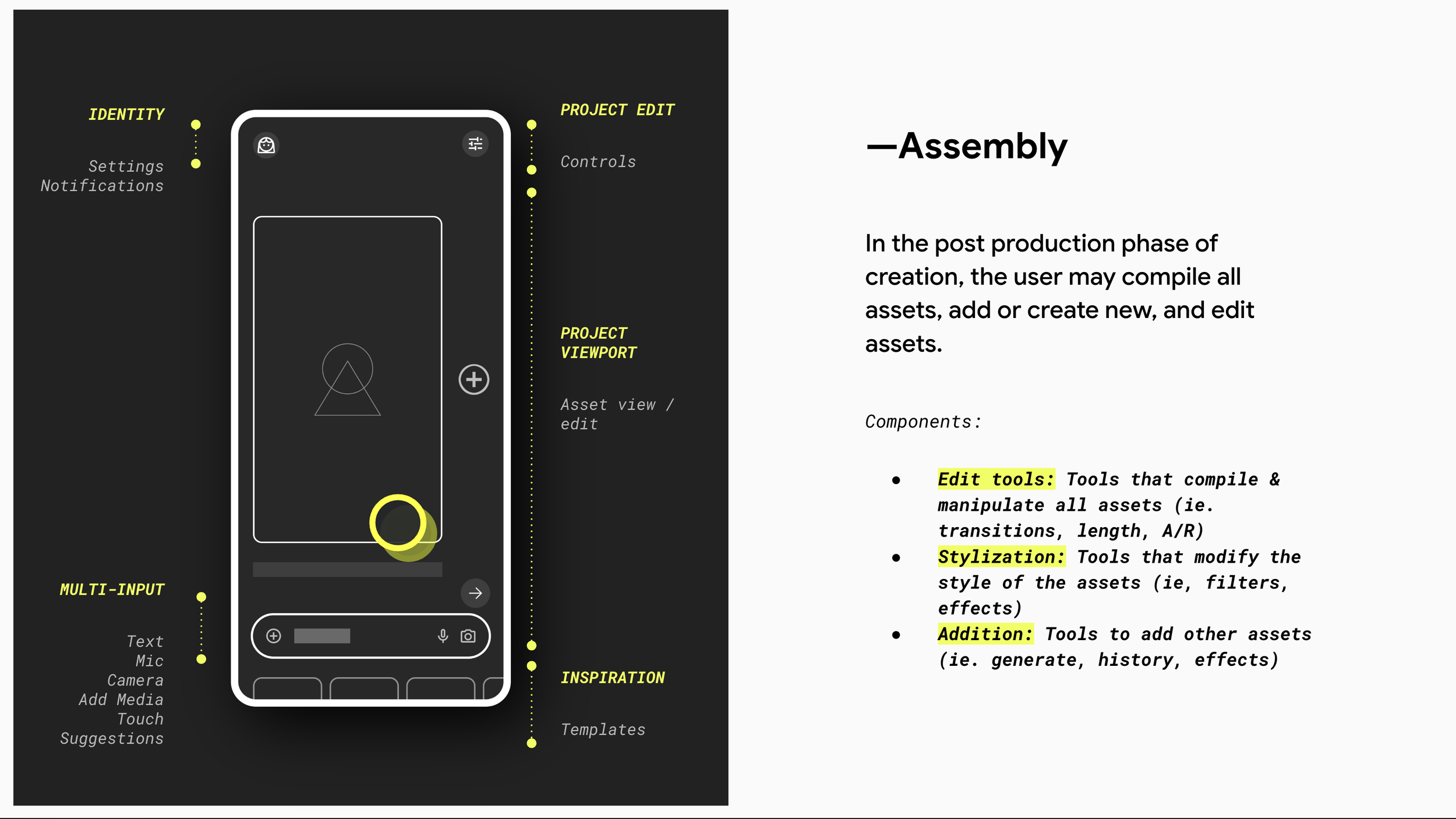
Explorations
With the design system defined, we moved into exploration. I hosted multiple workshops with cross-functional partners across every YouTube surface we collaborated with, understanding each team's specific needs and goals.
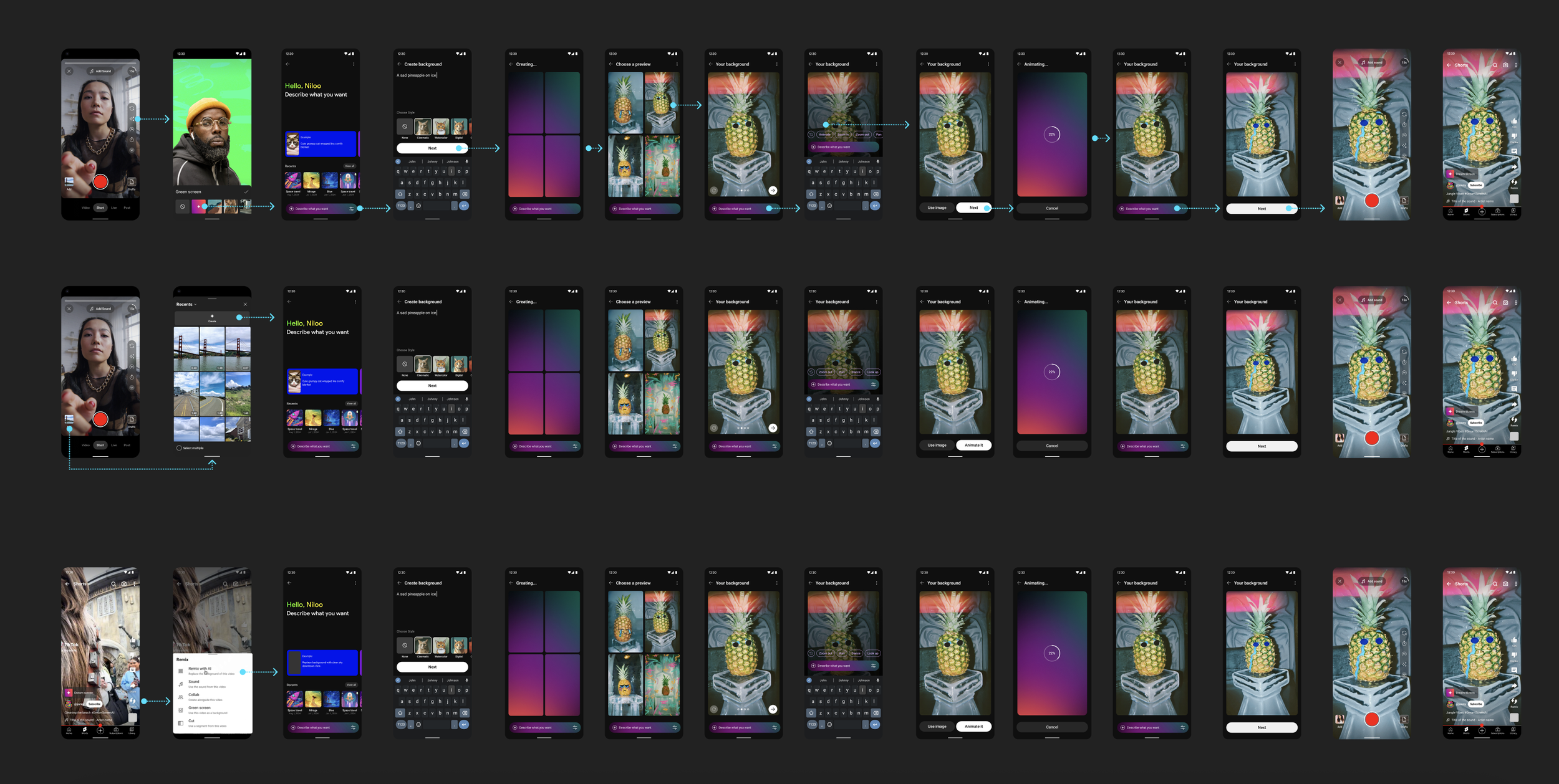
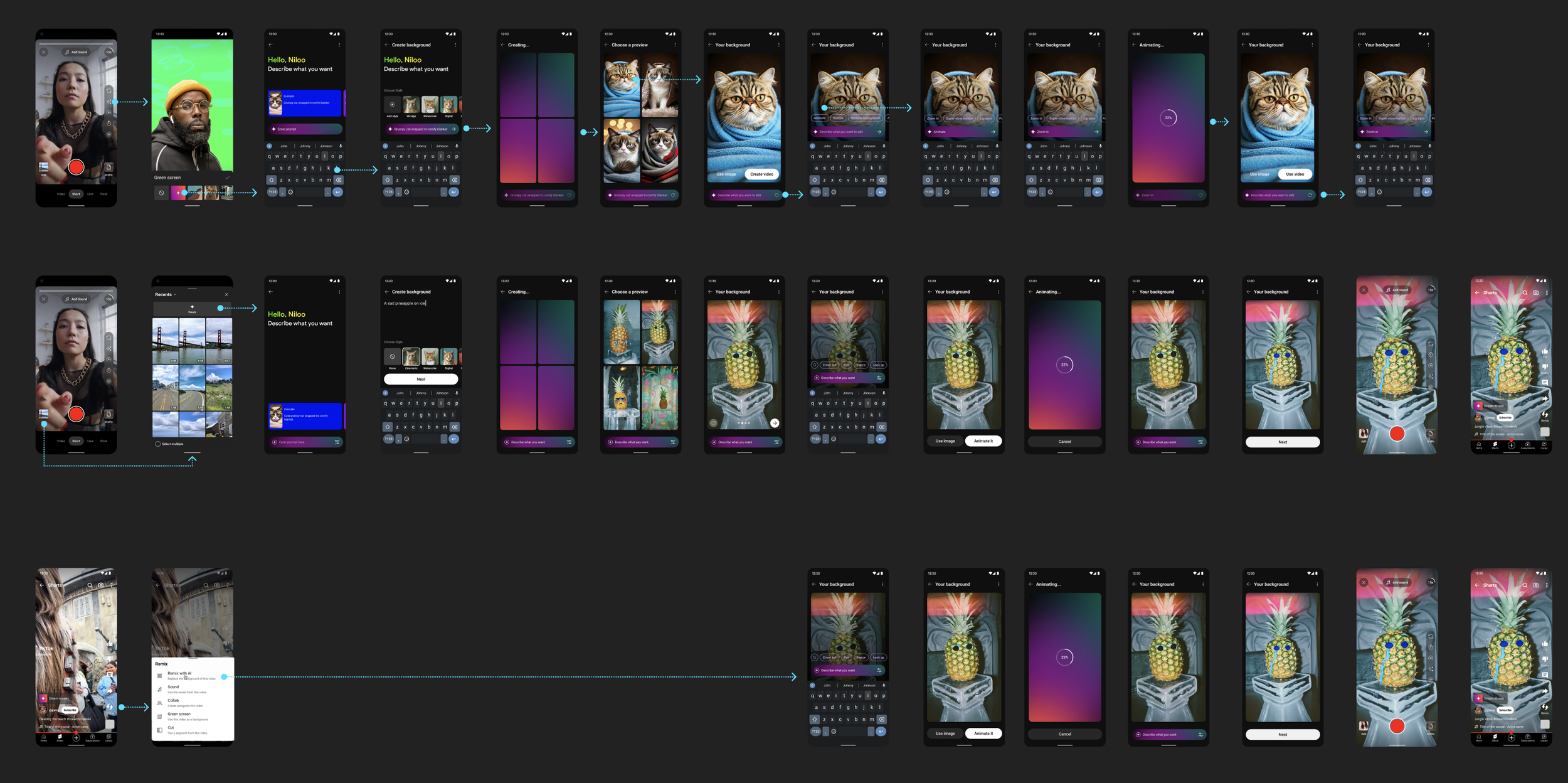
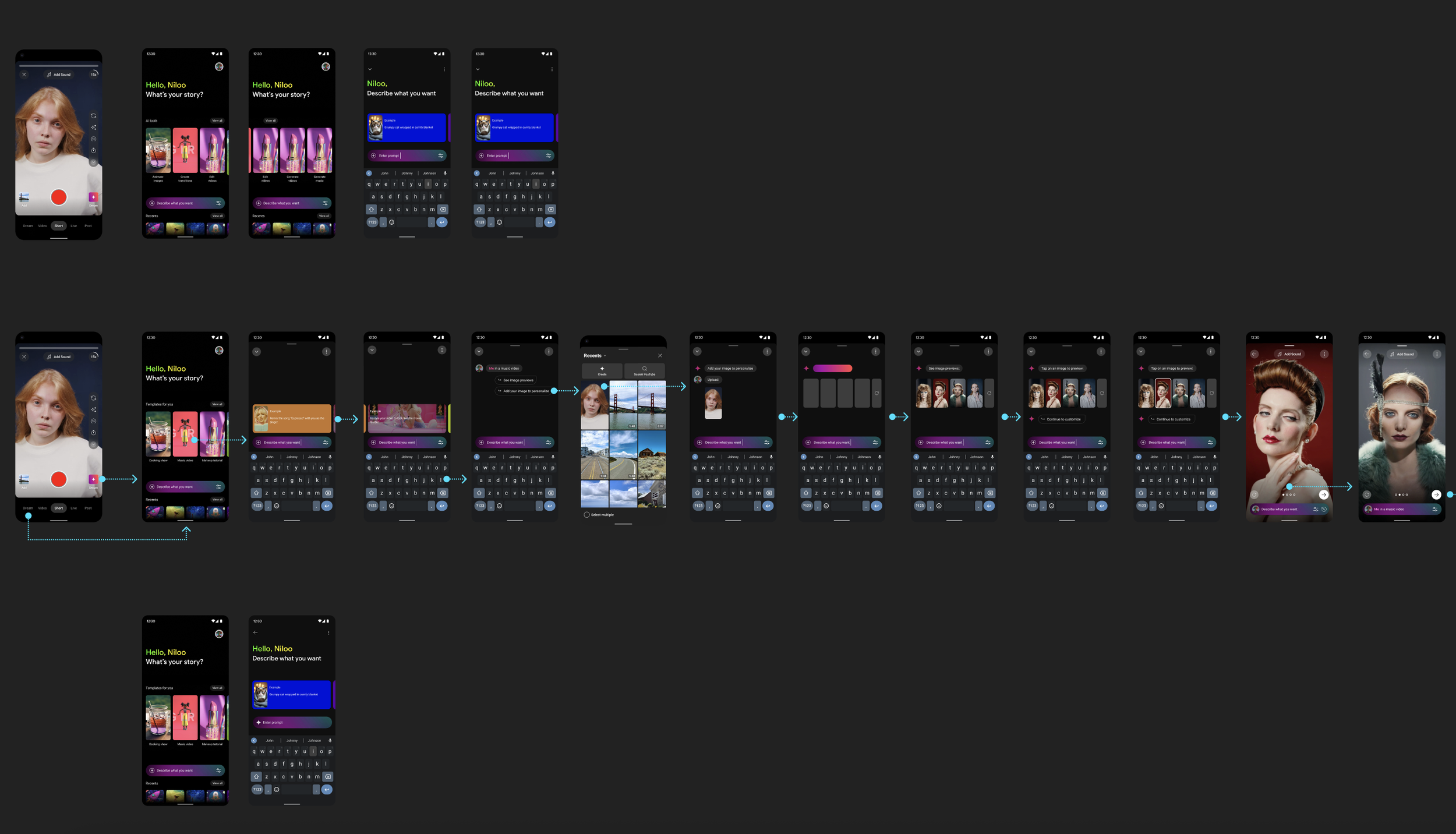
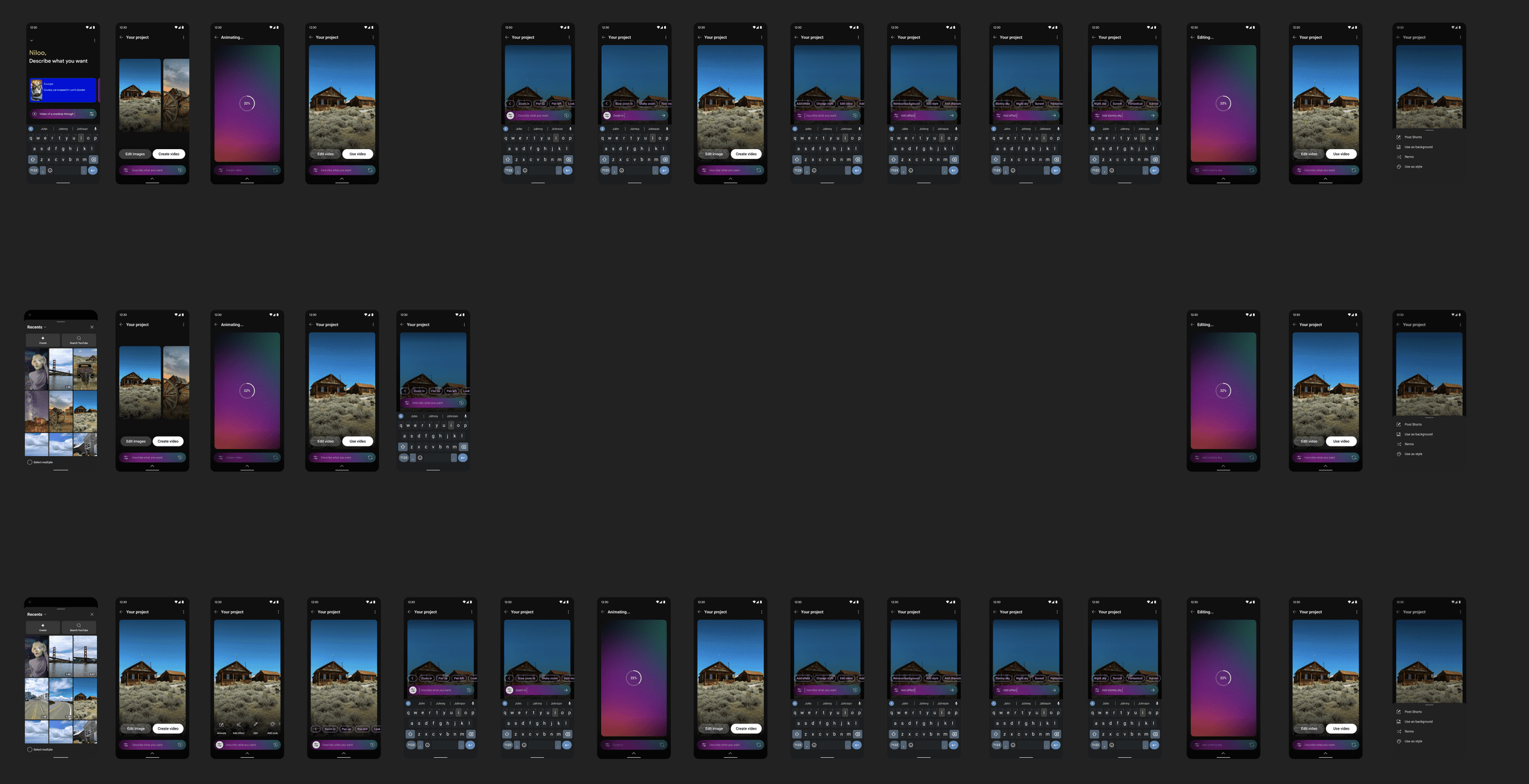
Vision
A contextual playground where user has personalized suggestions and tools for their specific intent but has the opportunity to easily experiment and try different ideas.
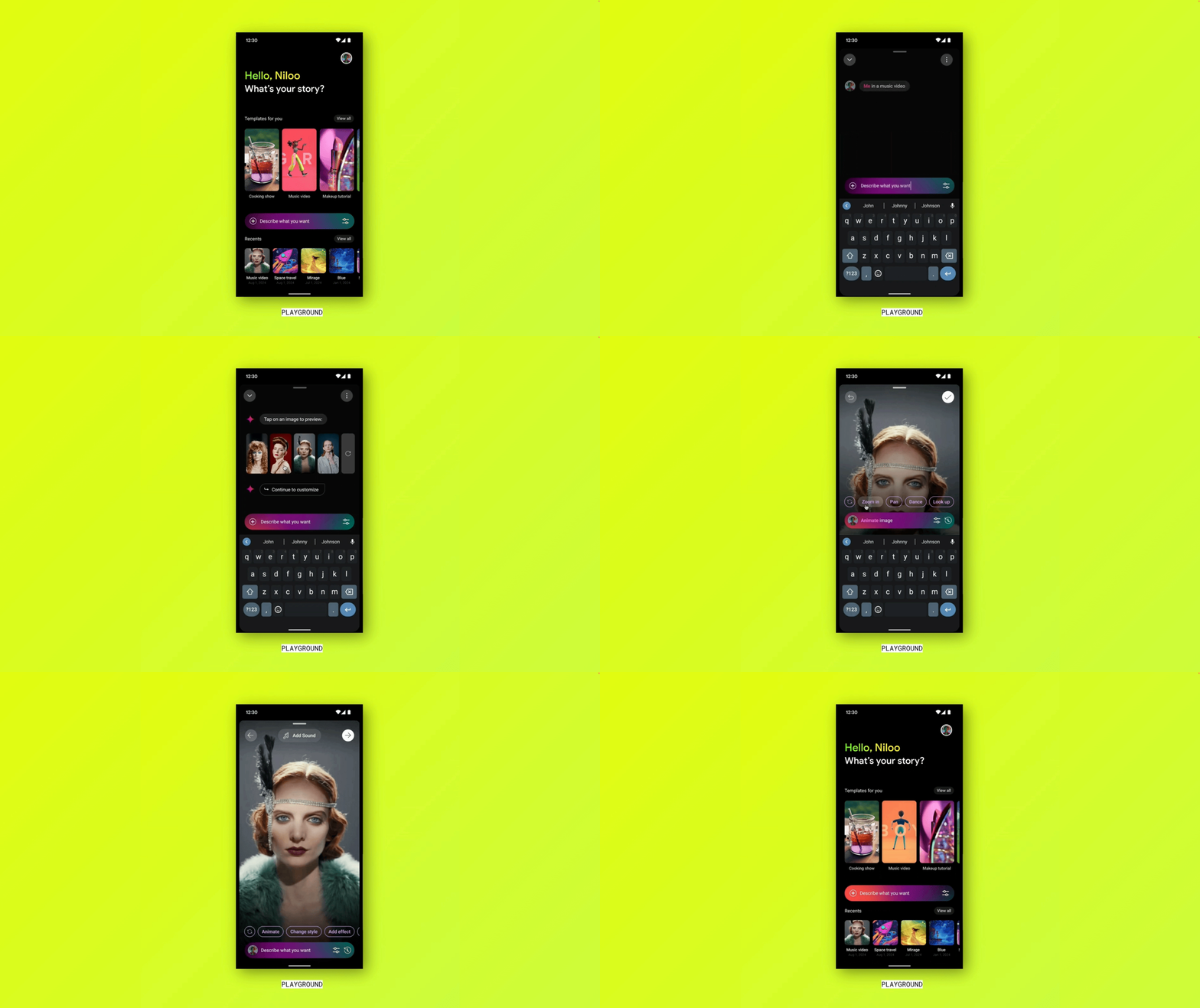
Outcome
YouTube leads signed off on our vision for Media Gen to operate as a platform team, leading overall vision and architecture for Gen AI capabilities across YouTube.
AI Animation
After shipping our MVP features, we uncovered a critical insight: most users lacked the inspiration or know-how to get the outputs they were hoping for.
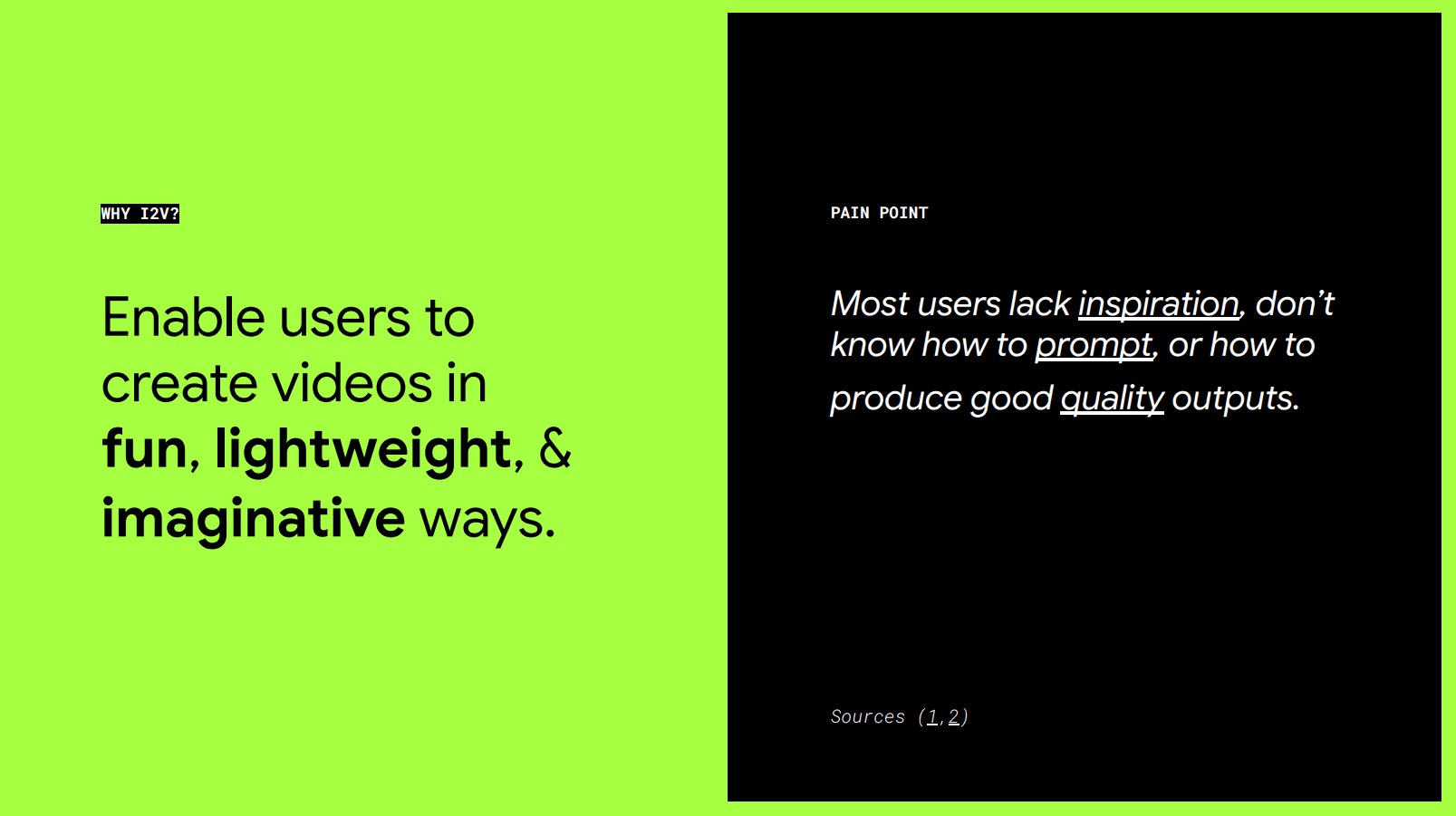
Solution
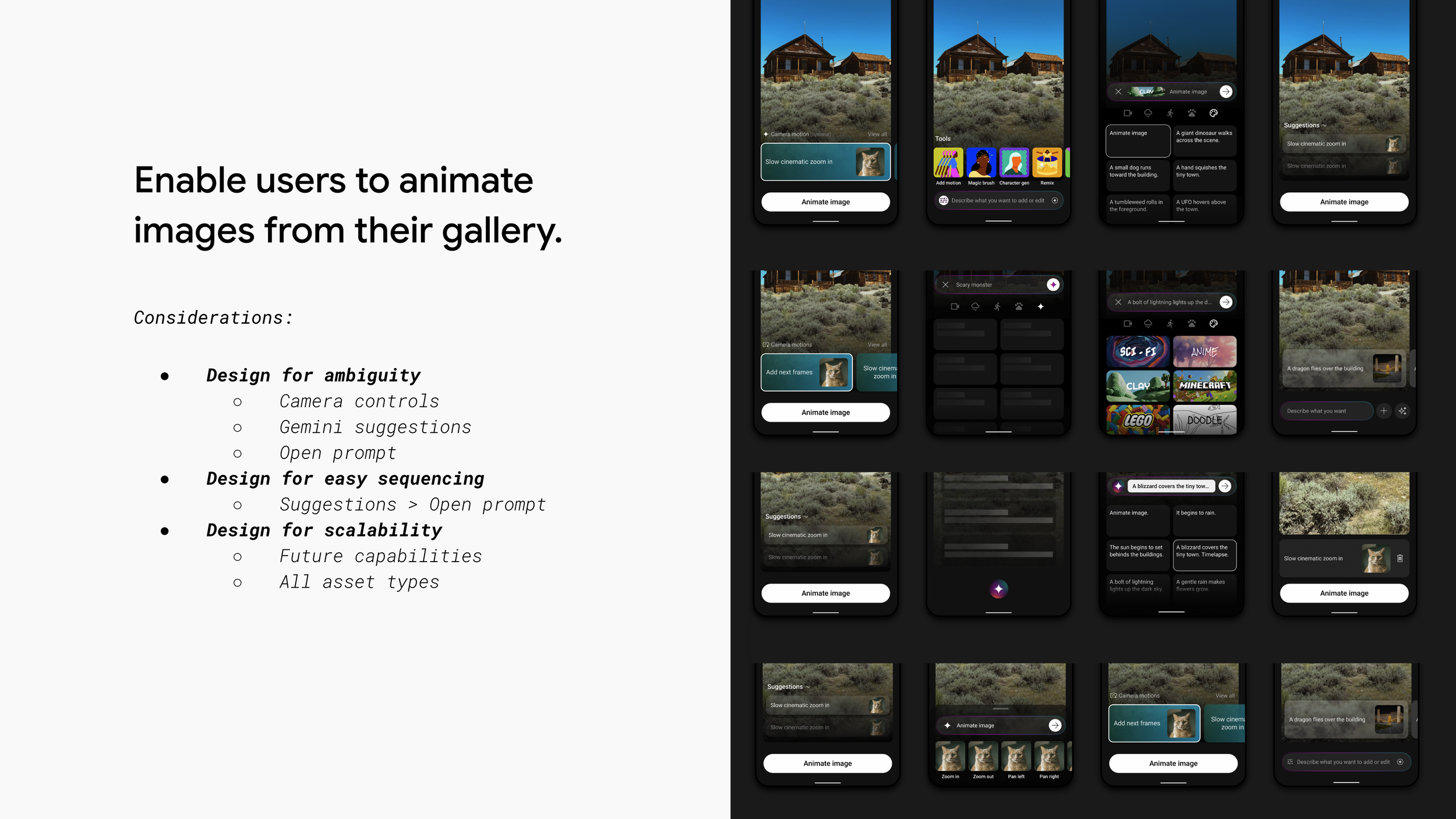
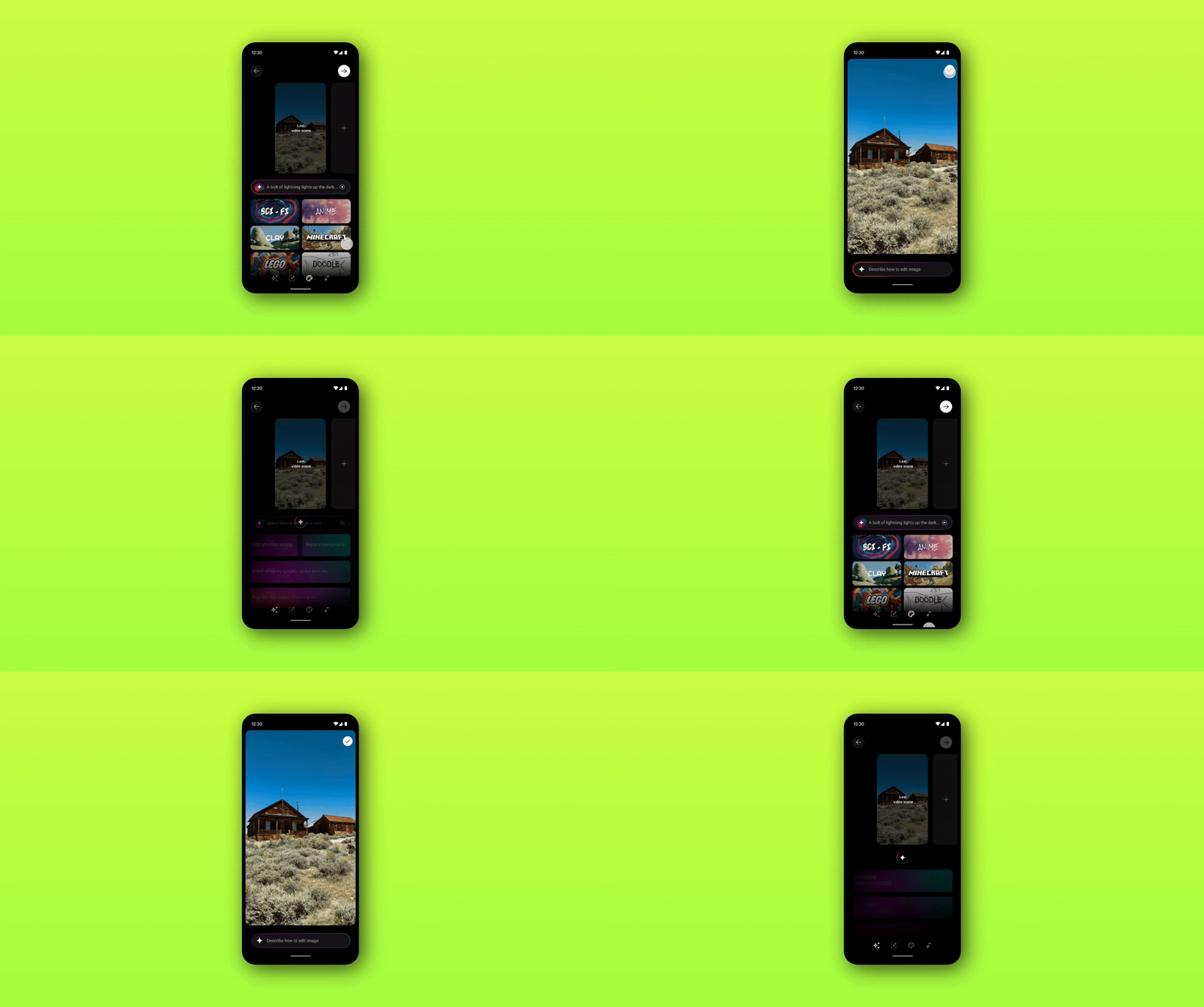
We explored many approaches, including prompt expansion, where we'd enhance the user's input in the background to improve output quality. After brainstorming with our AI researchers, we landed on a different idea: what if AI could analyze a scene and surface contextual suggestions specific to that image, giving users a starting point that felt personal, not generic?
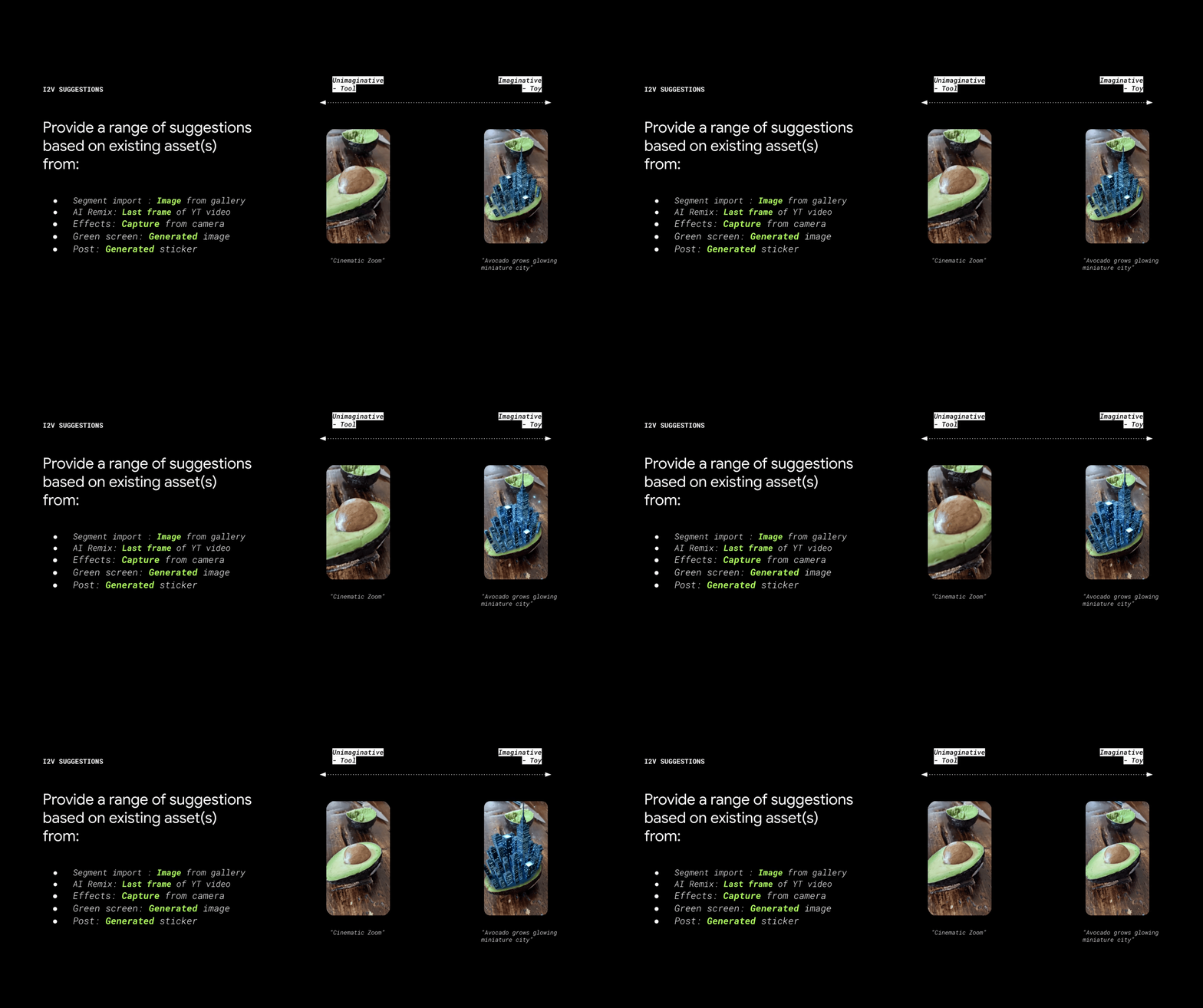
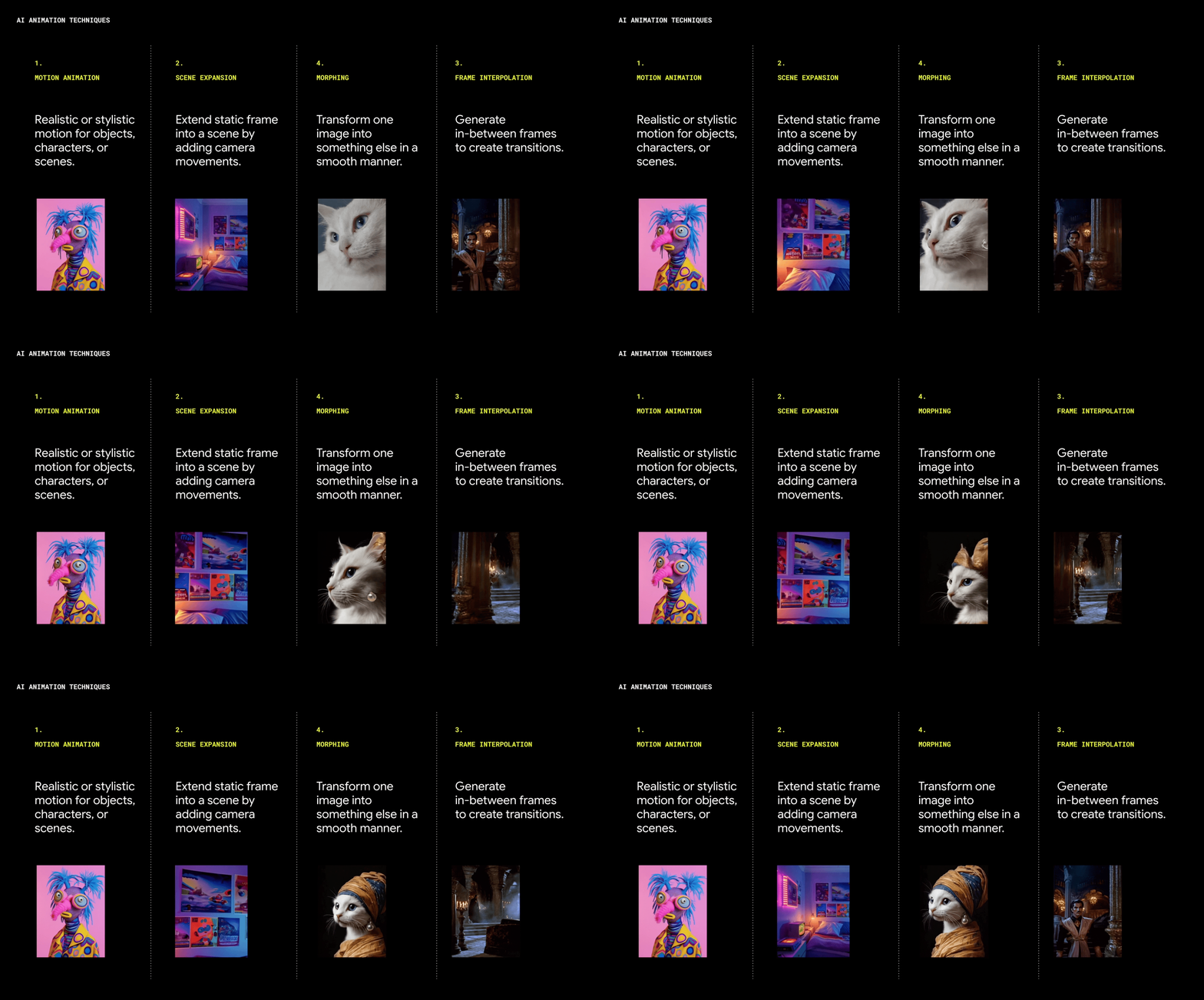
Design Principles
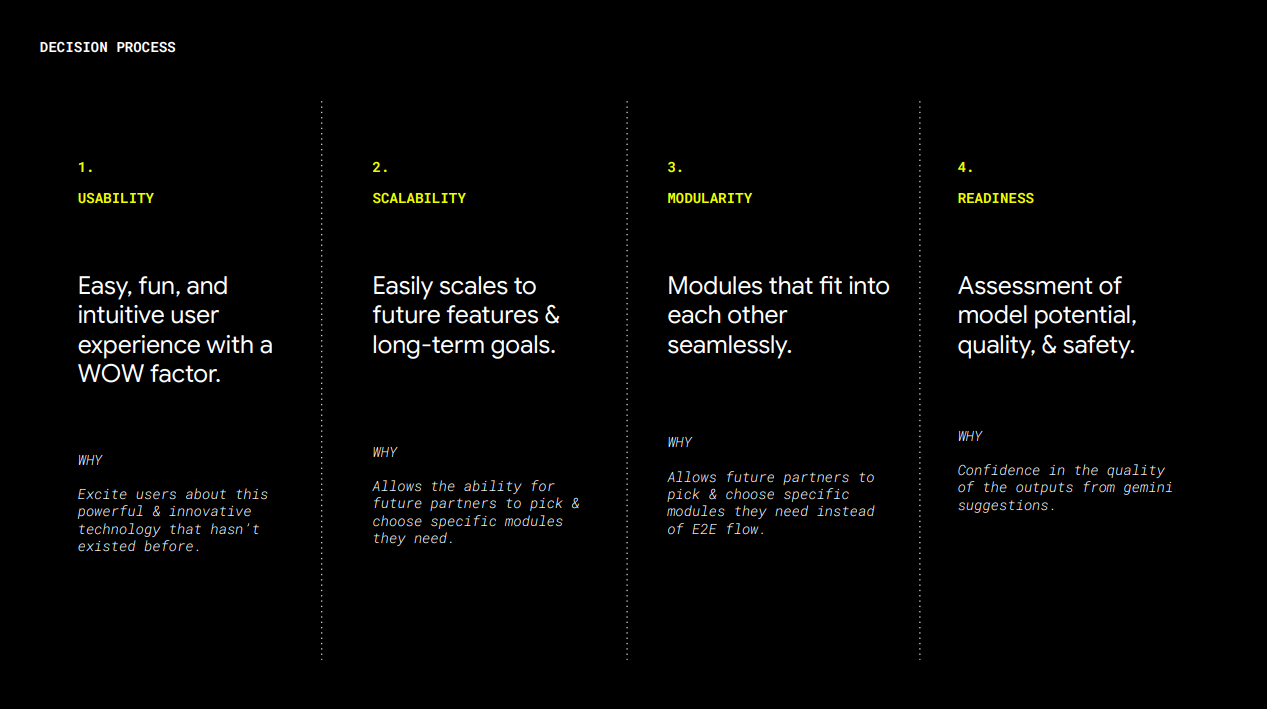
Since this capability was part of a design system built to scale across all creation surfaces on YouTube, every design decision had to be anchored in four principles: usability, scalability, modularity, and readiness.
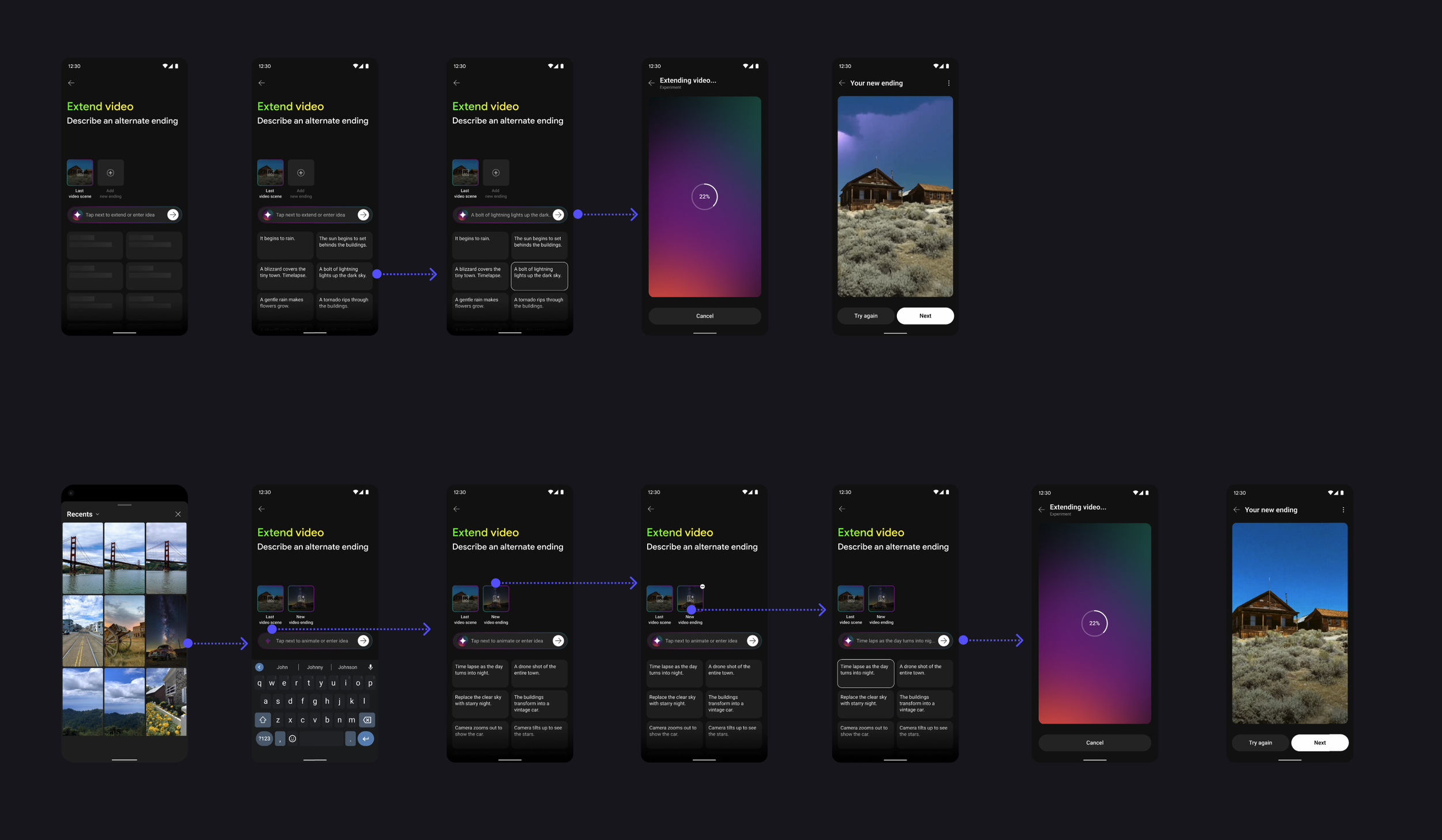
Design Solutions
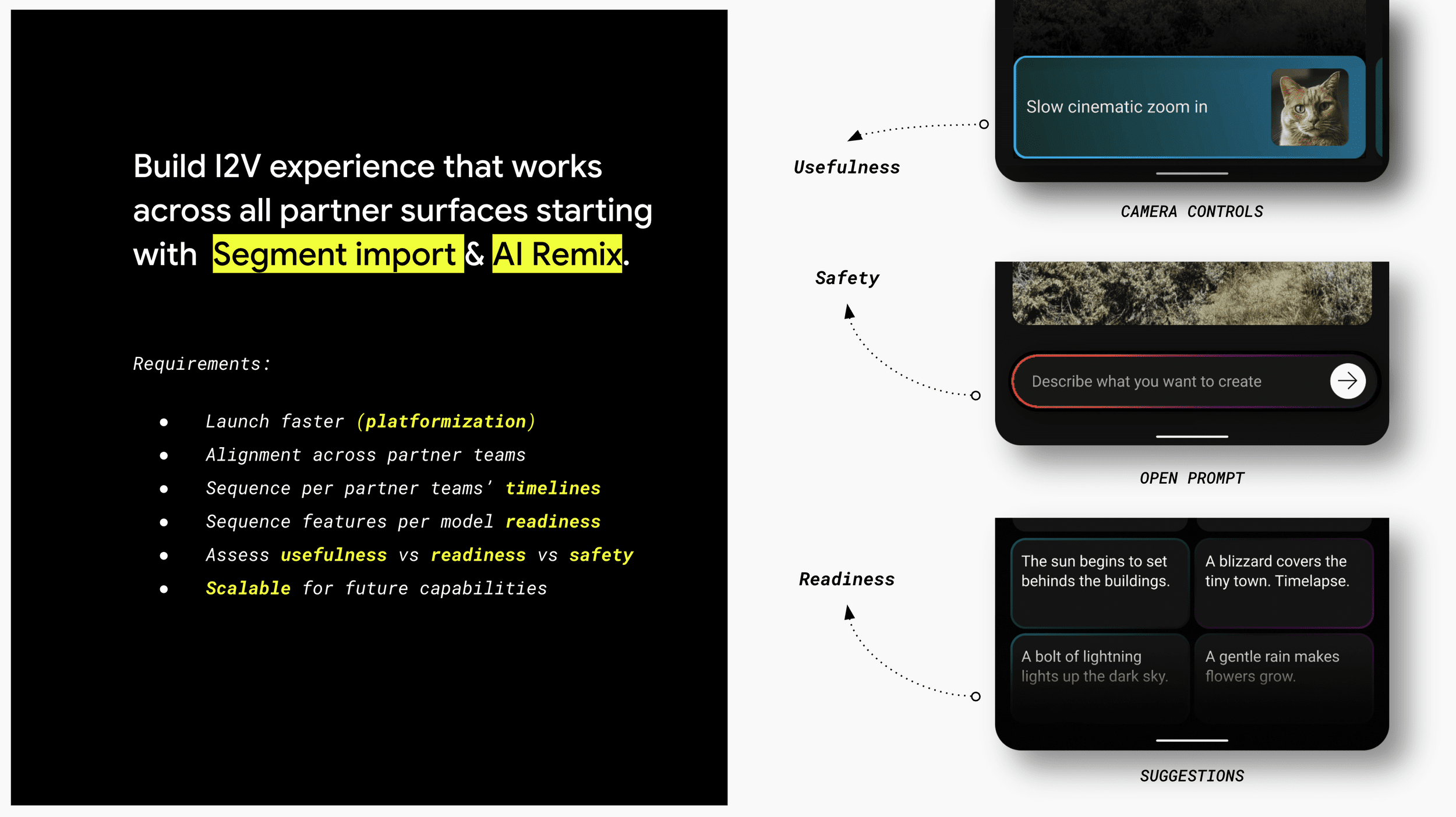
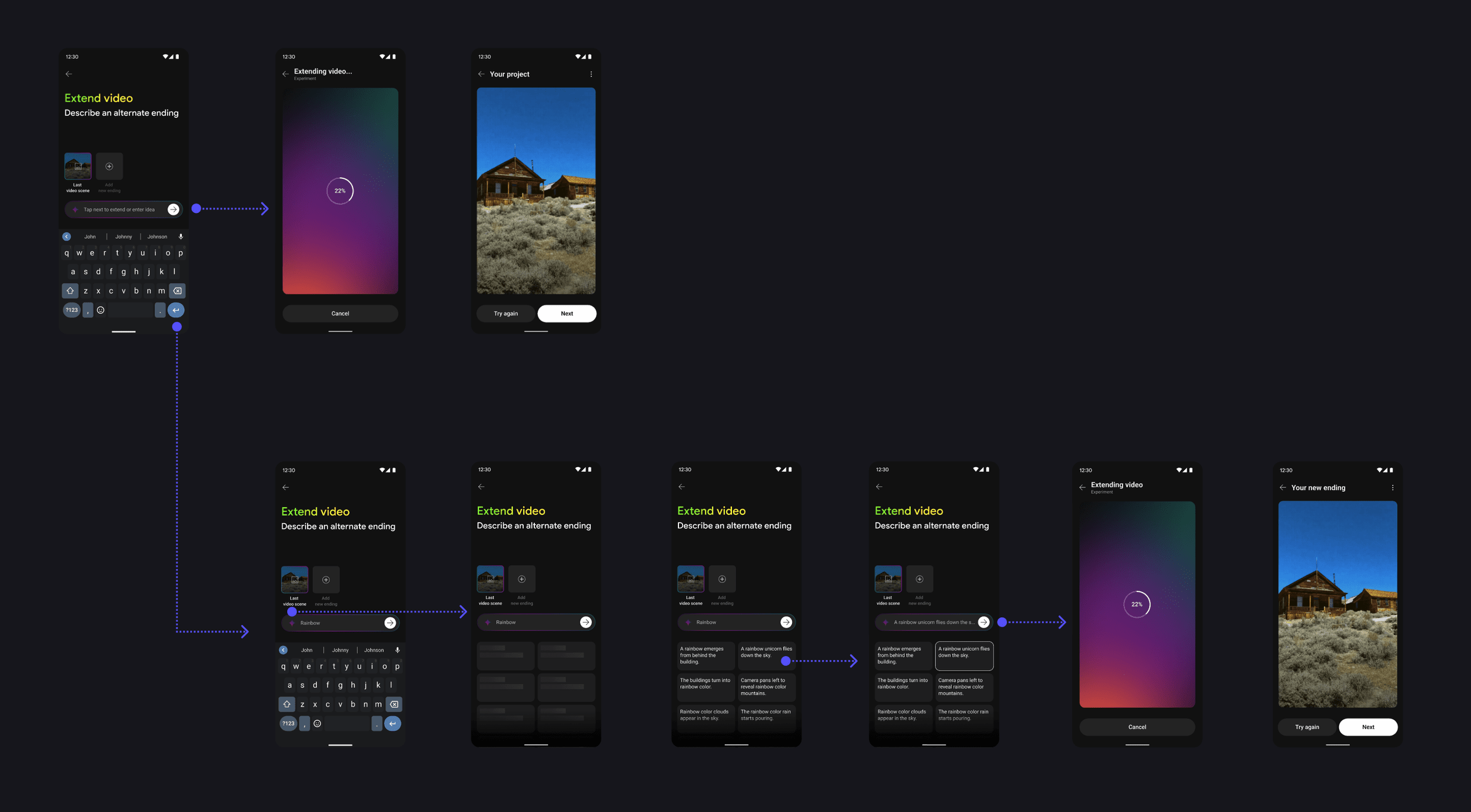
We built a simple system that incorporated our short term capability to provide AI suggestions but seamlessly scale to our future vision of adding open prompt, presets, and additional controls.
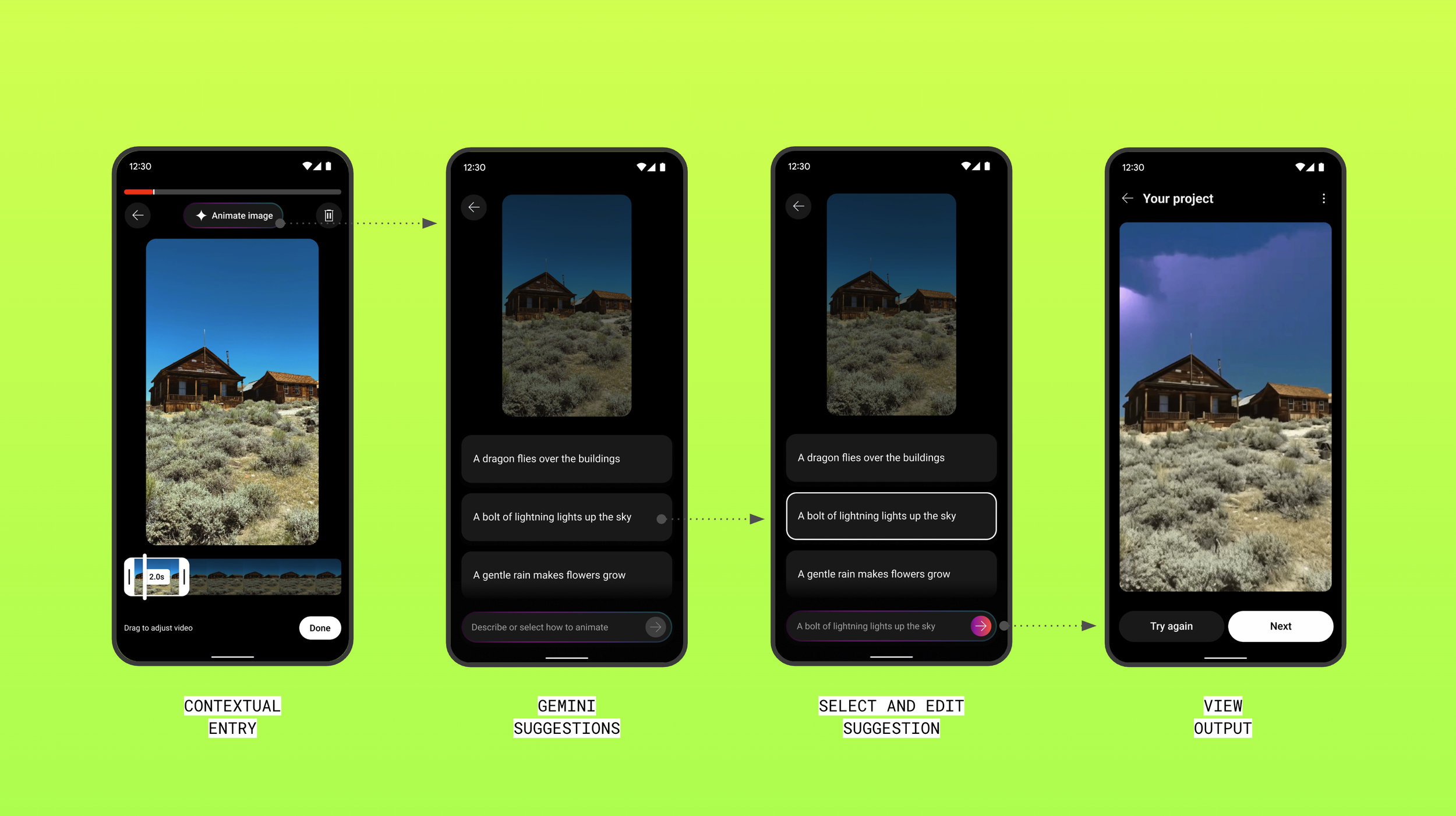
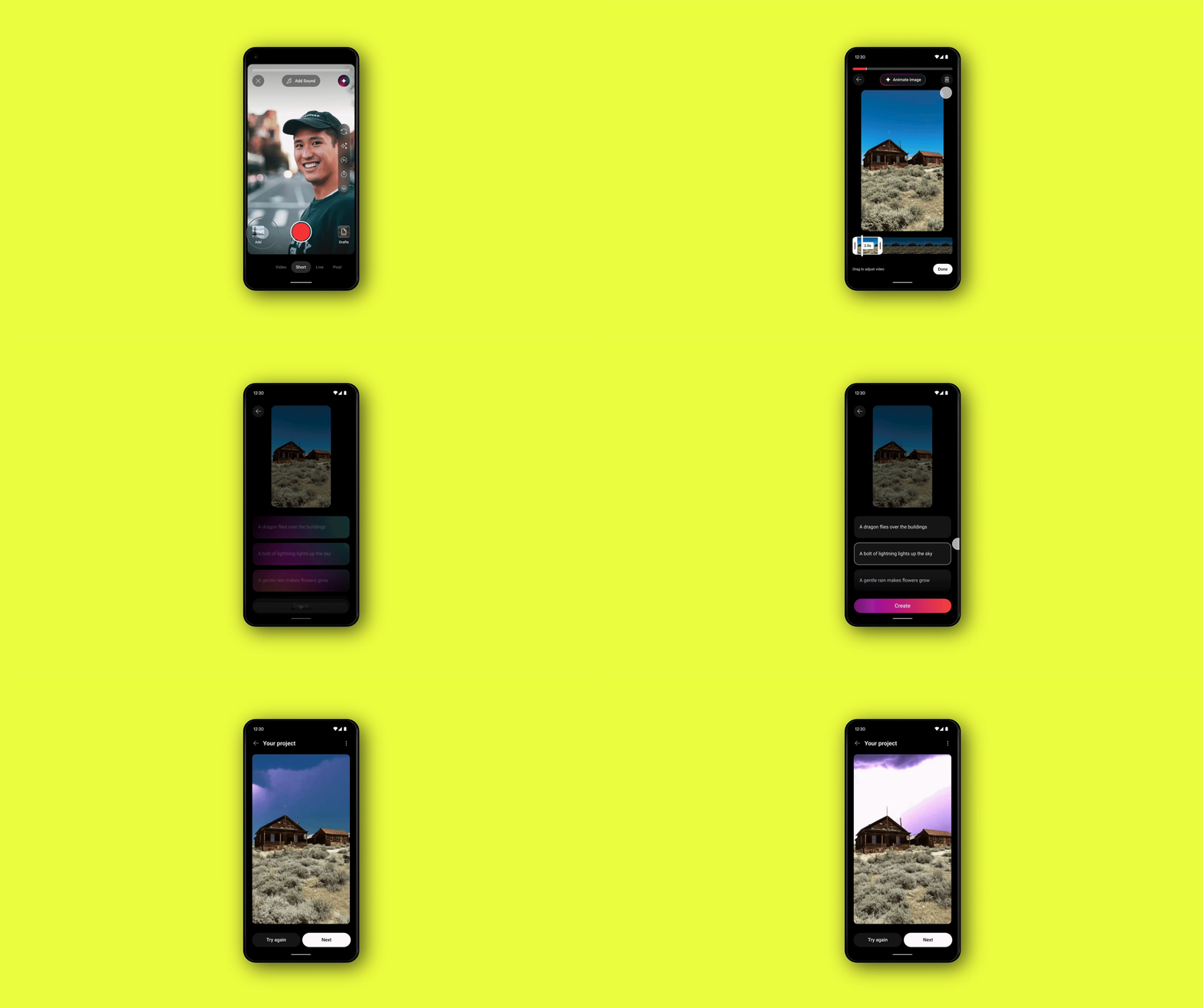
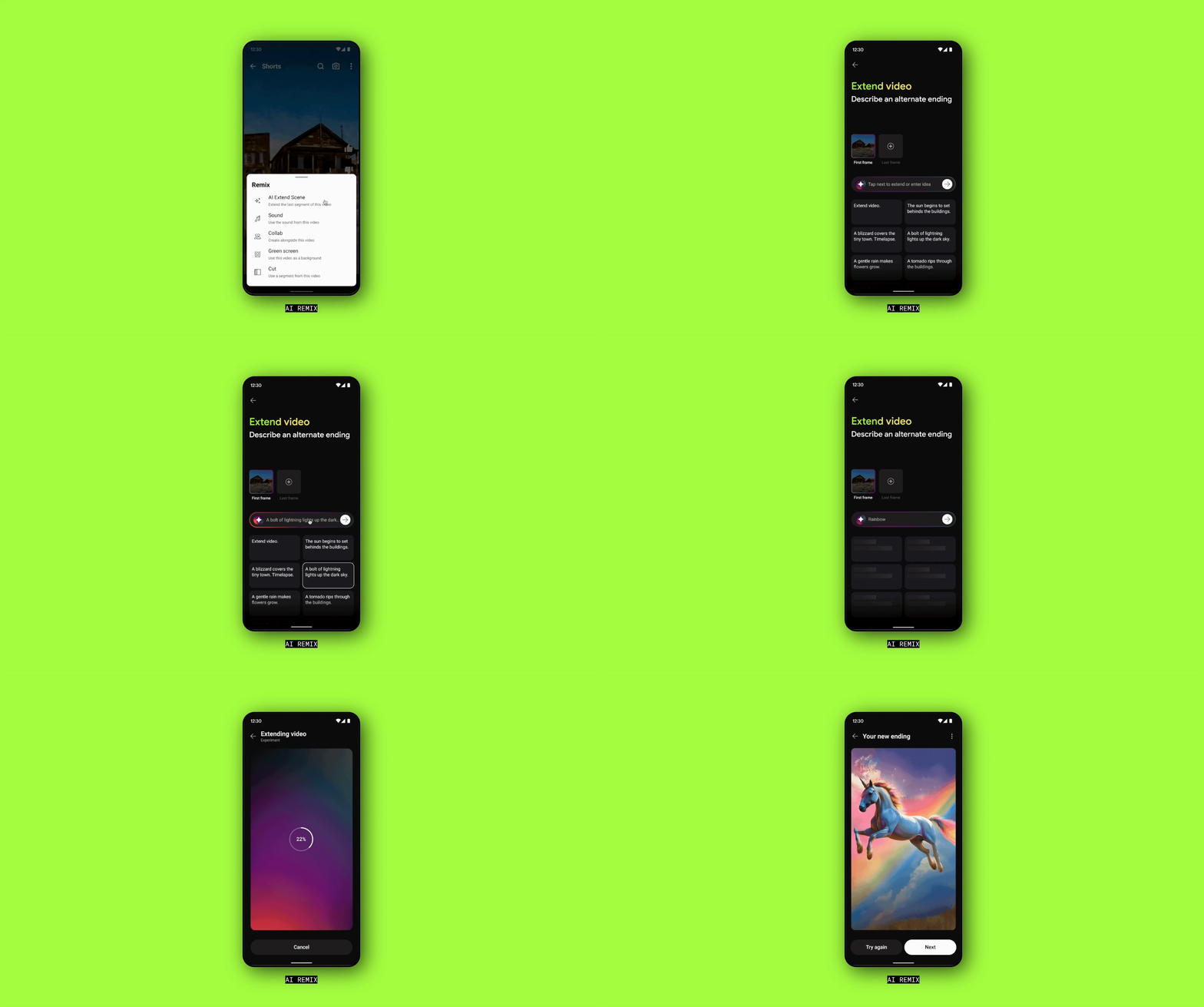
Outcome
We shipped our Gen AI capabilities as a platform for image, video, motion, effects, and music across the main app and desktop surfaces. This helped to not only provide a consistent user experience across but ship features more efficiently while working towards our future vision.
AI Playground
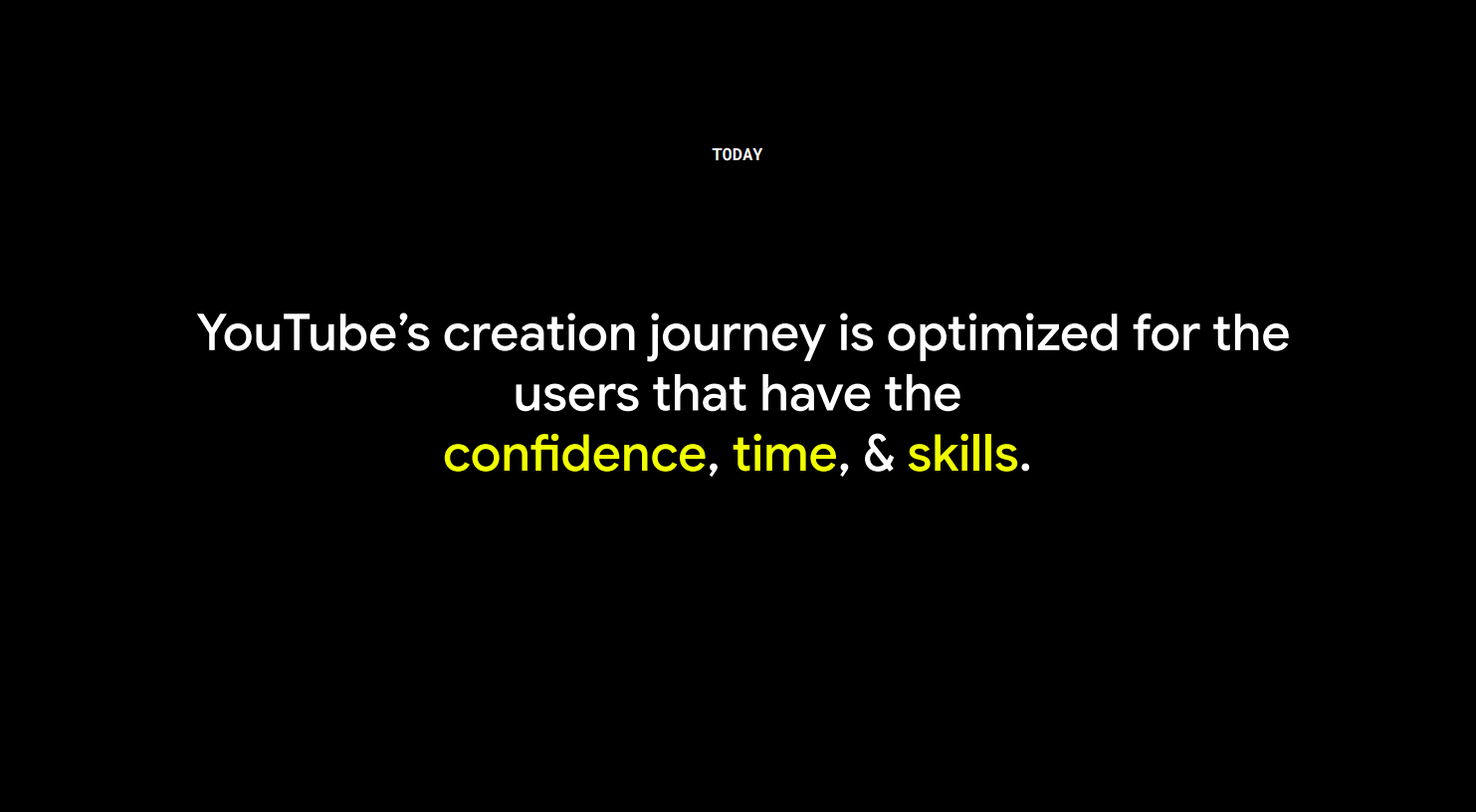
While exploring how GenAI could unlock creation for more users, our research revealed a striking gap: ~95% of users abandon the creation journey at the camera, yet 47% of Gen Z identify as creators.
Solution
The hypothesis: a unified creative playground where every user has access to everything they need to make anything they can imagine, easy, expressive, and fun.
Design Strategy & IA
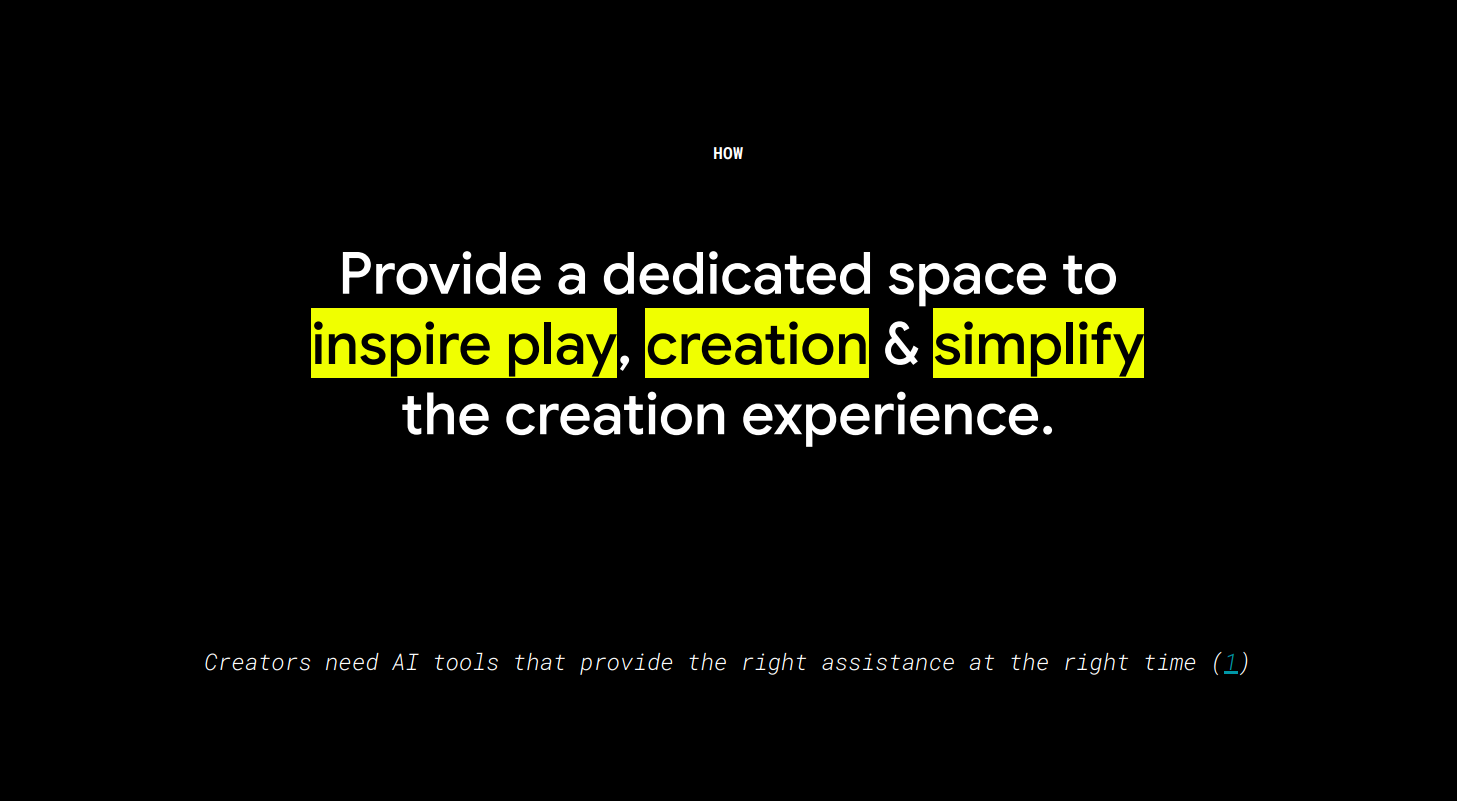
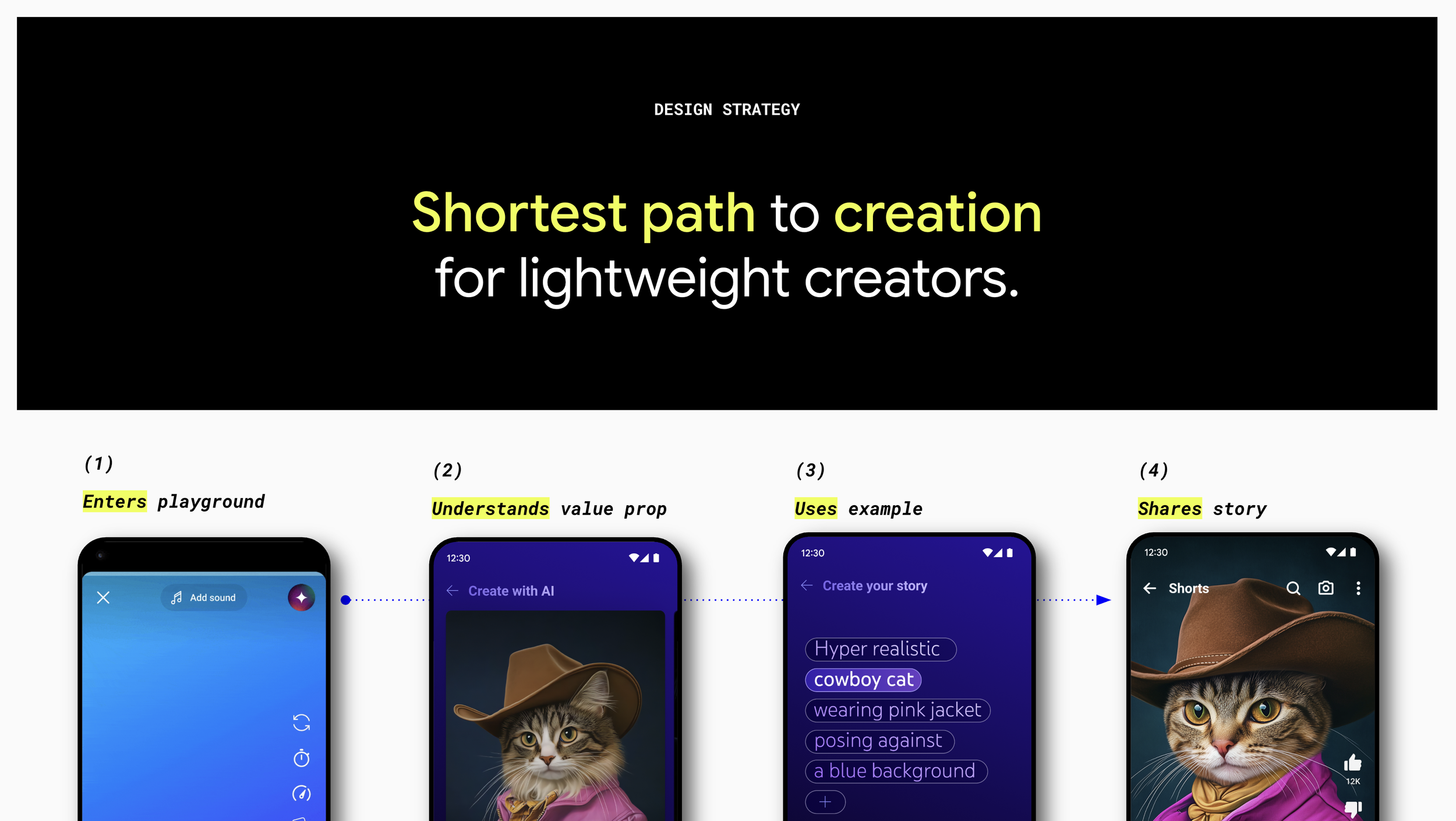
Our strategy was to create a fun, easy way for our lightweight creators to create and learn. We were designing for a technology that was evolving faster than any roadmap could capture, new tools, conversational UI, community features, and capabilities we didn’t yet have so the design had to be modular and scalable.
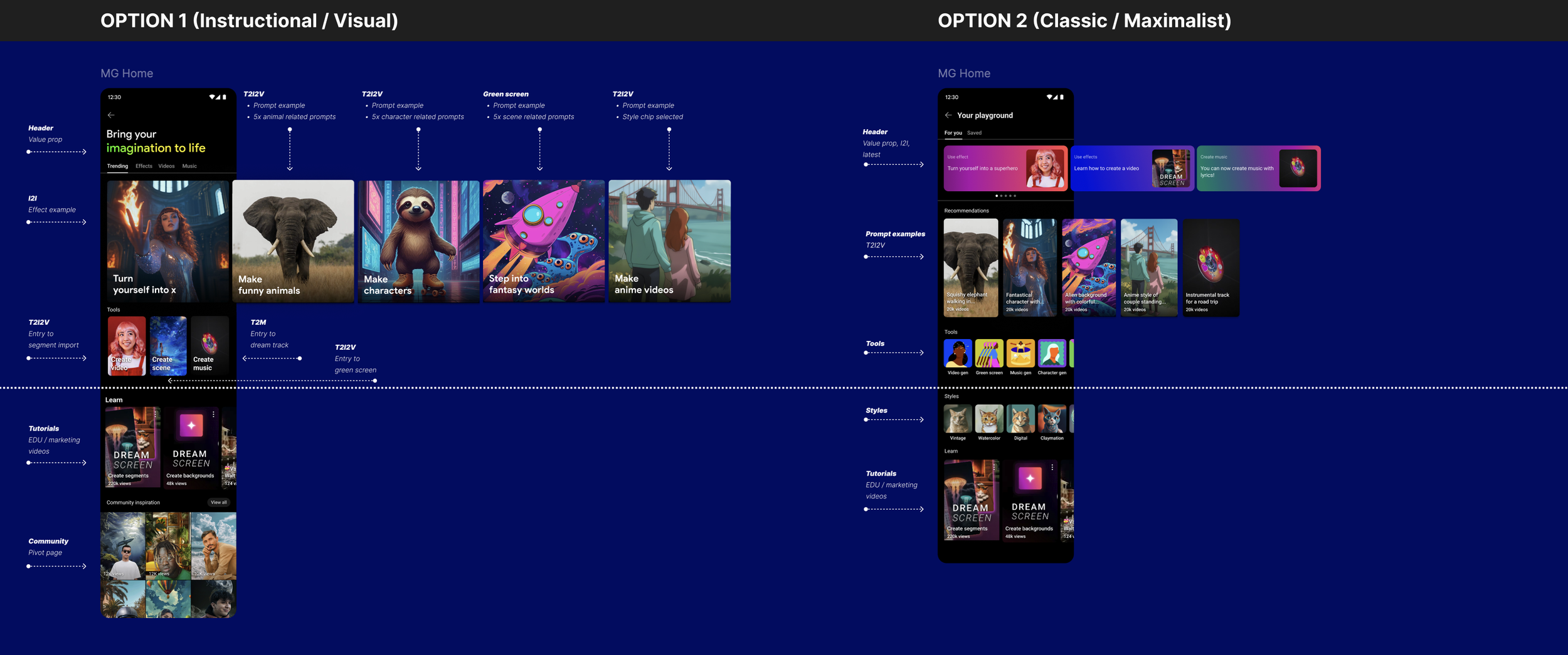
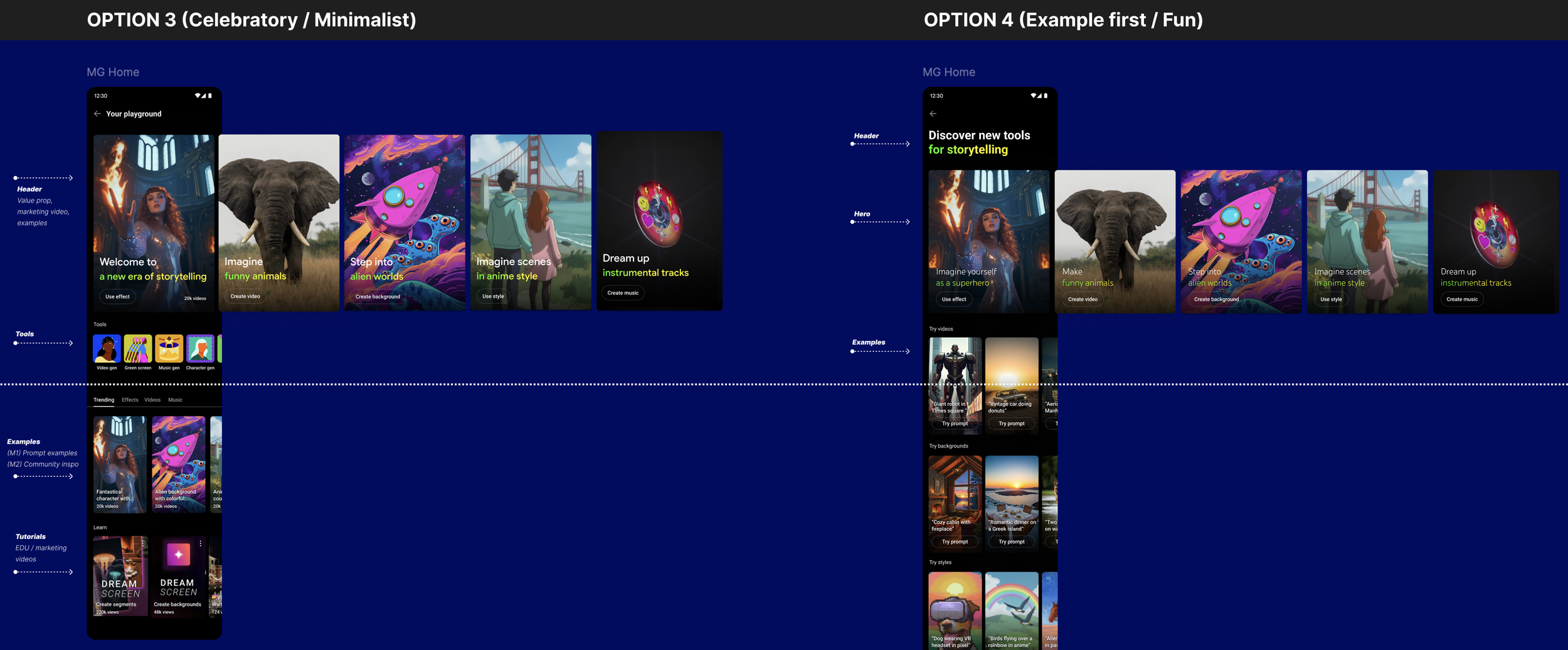
Options
We explored multiple visualization approaches for these modules and iterated extensively to identify the design format that both enhanced the user experience and inspired creativity.
Information Architecture
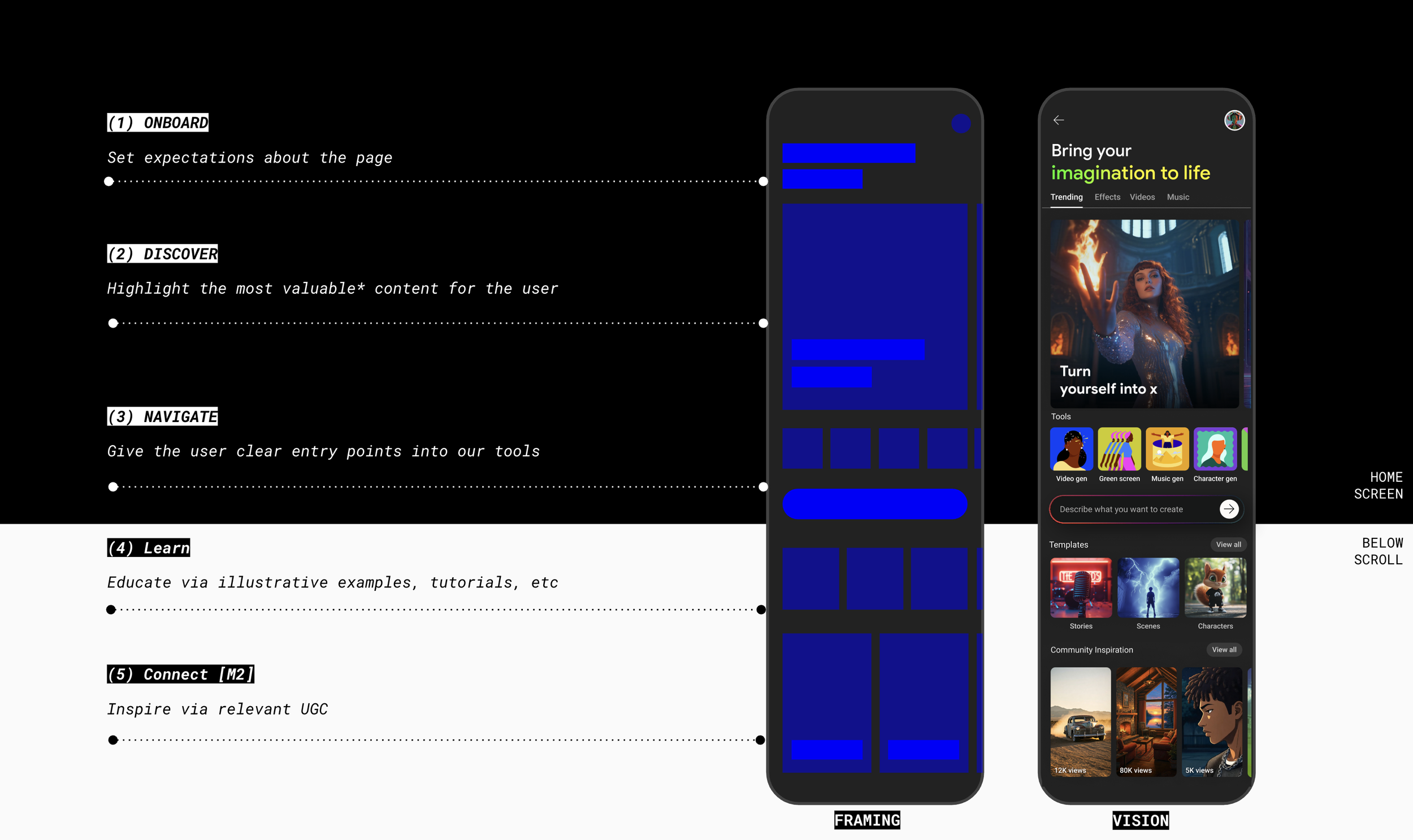
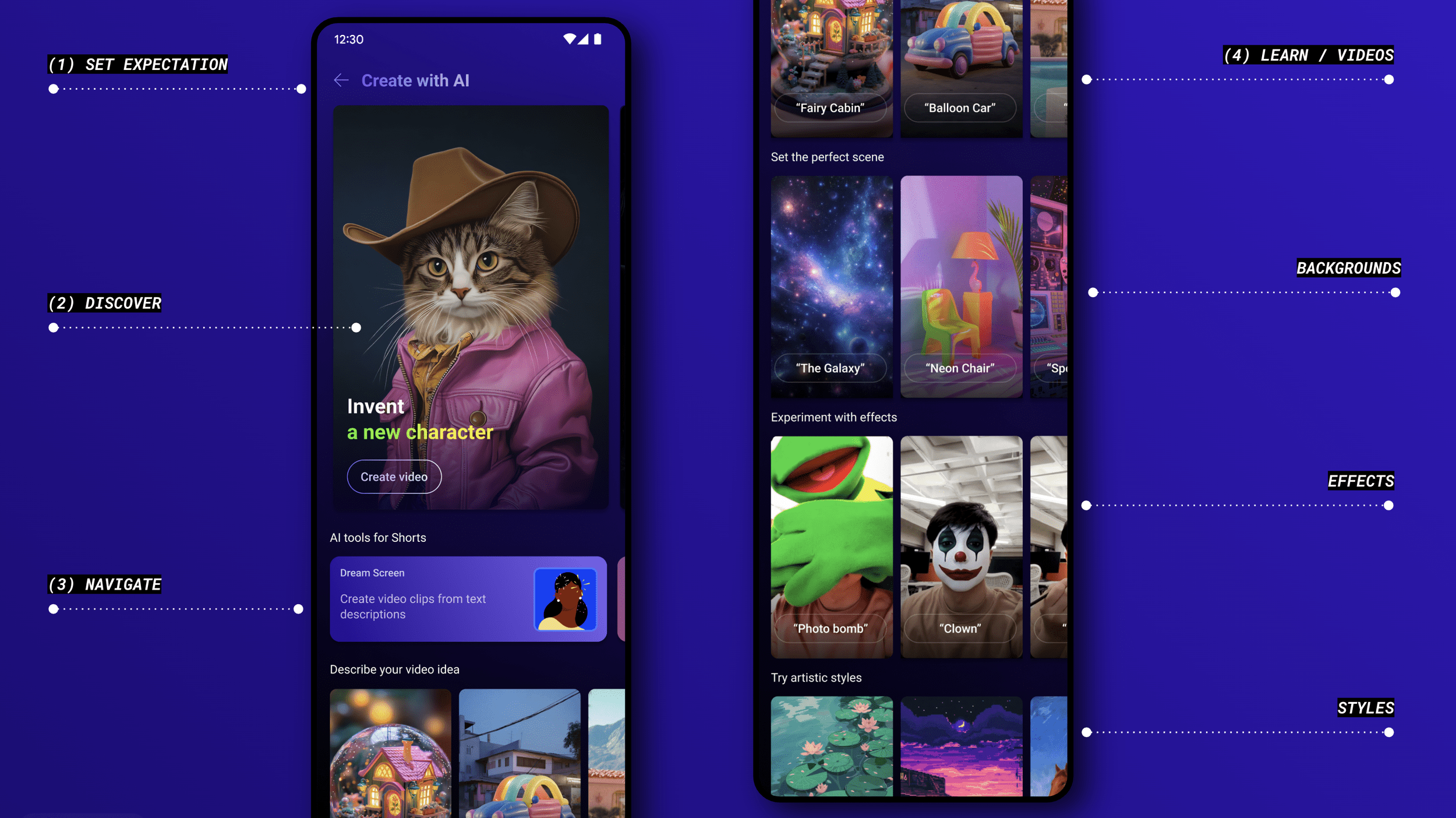
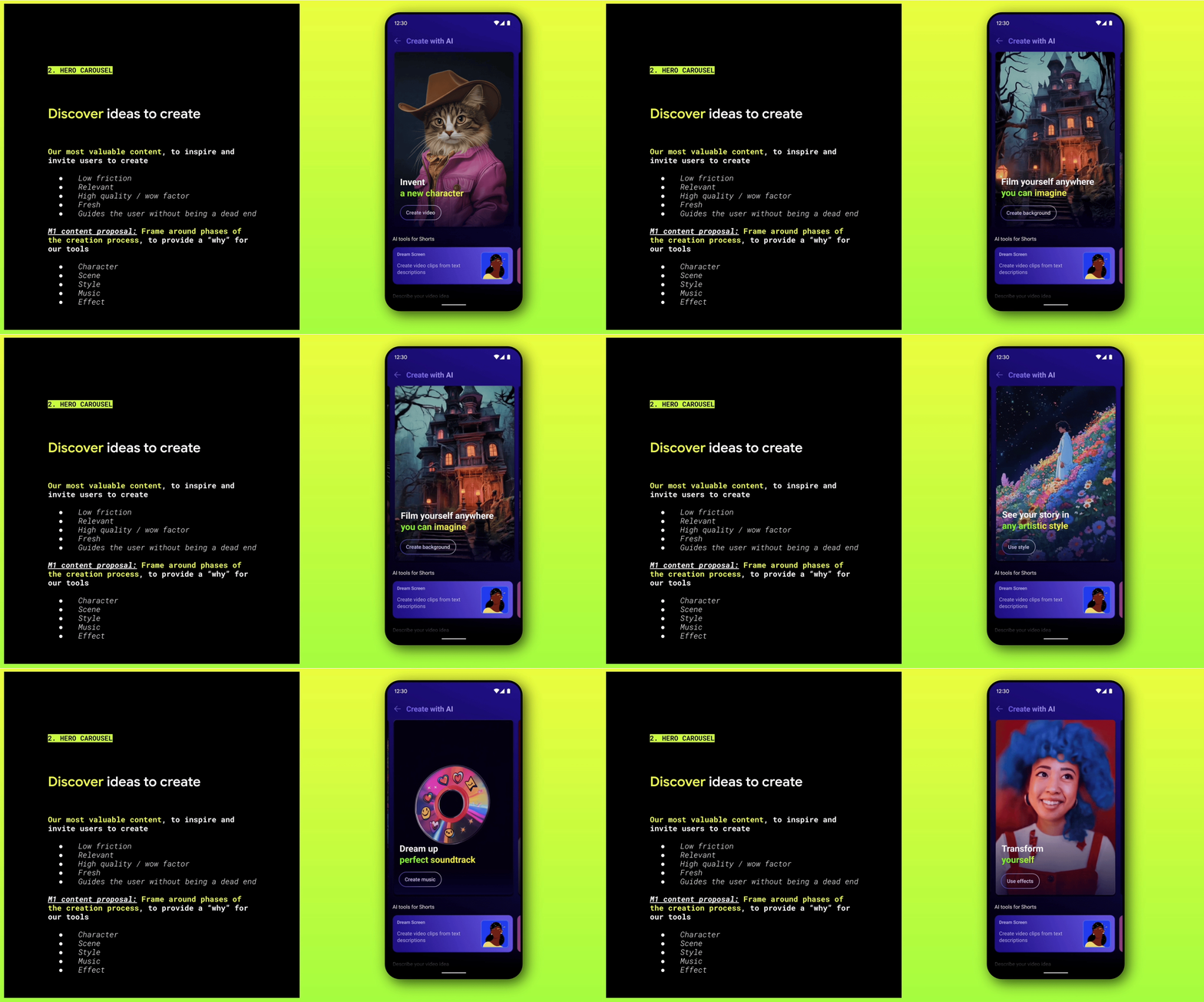
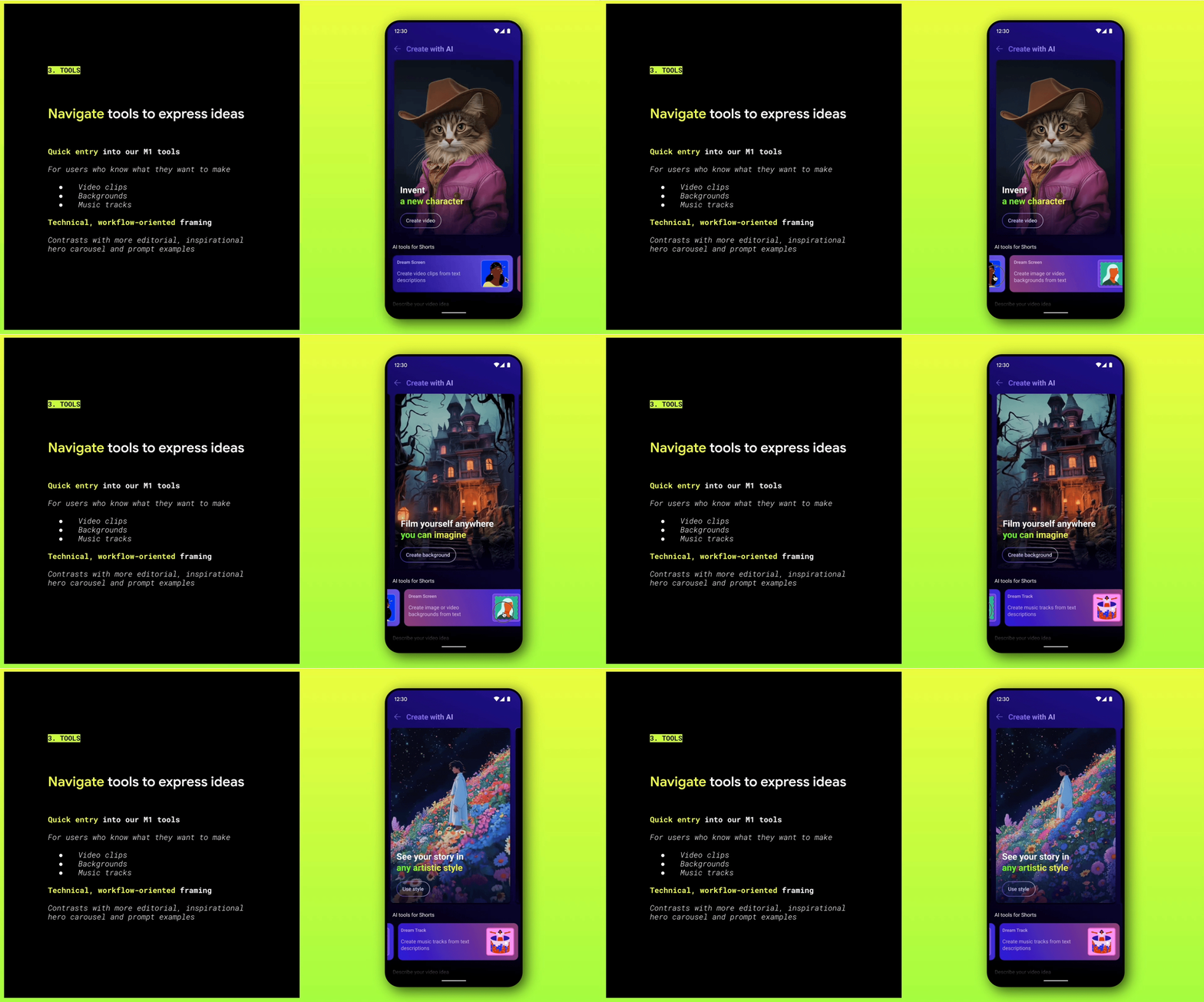
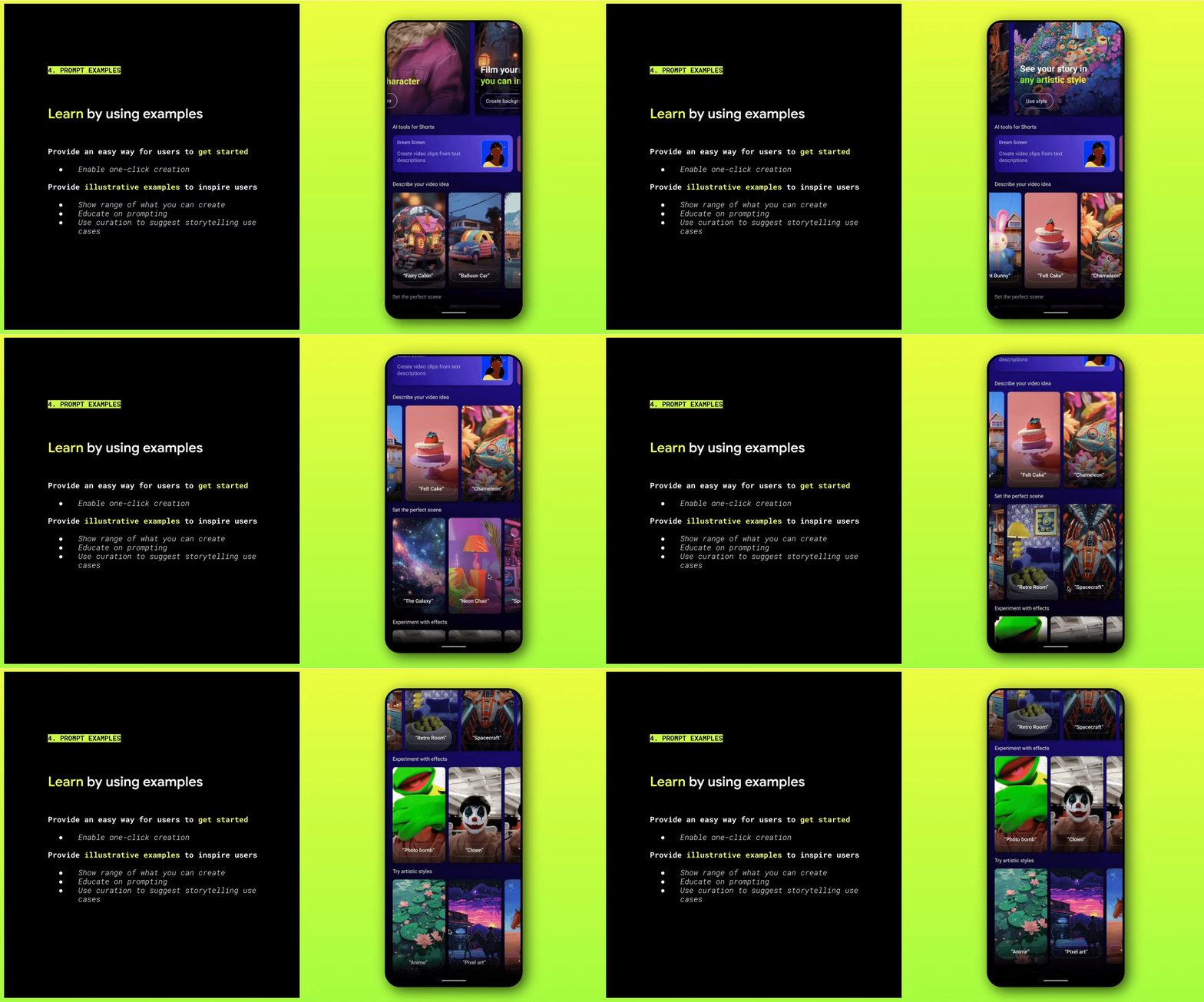
The framework was built as a series of interchangeable modules, each tailored to a key stage of the user experience: from setting expectations, to driving discovery, simplifying navigation, and empowering creation, and learning.
Framework
Each module was focused on fulfilling a specific user intent based on the part of the creation journey they are in.
Creation Flow
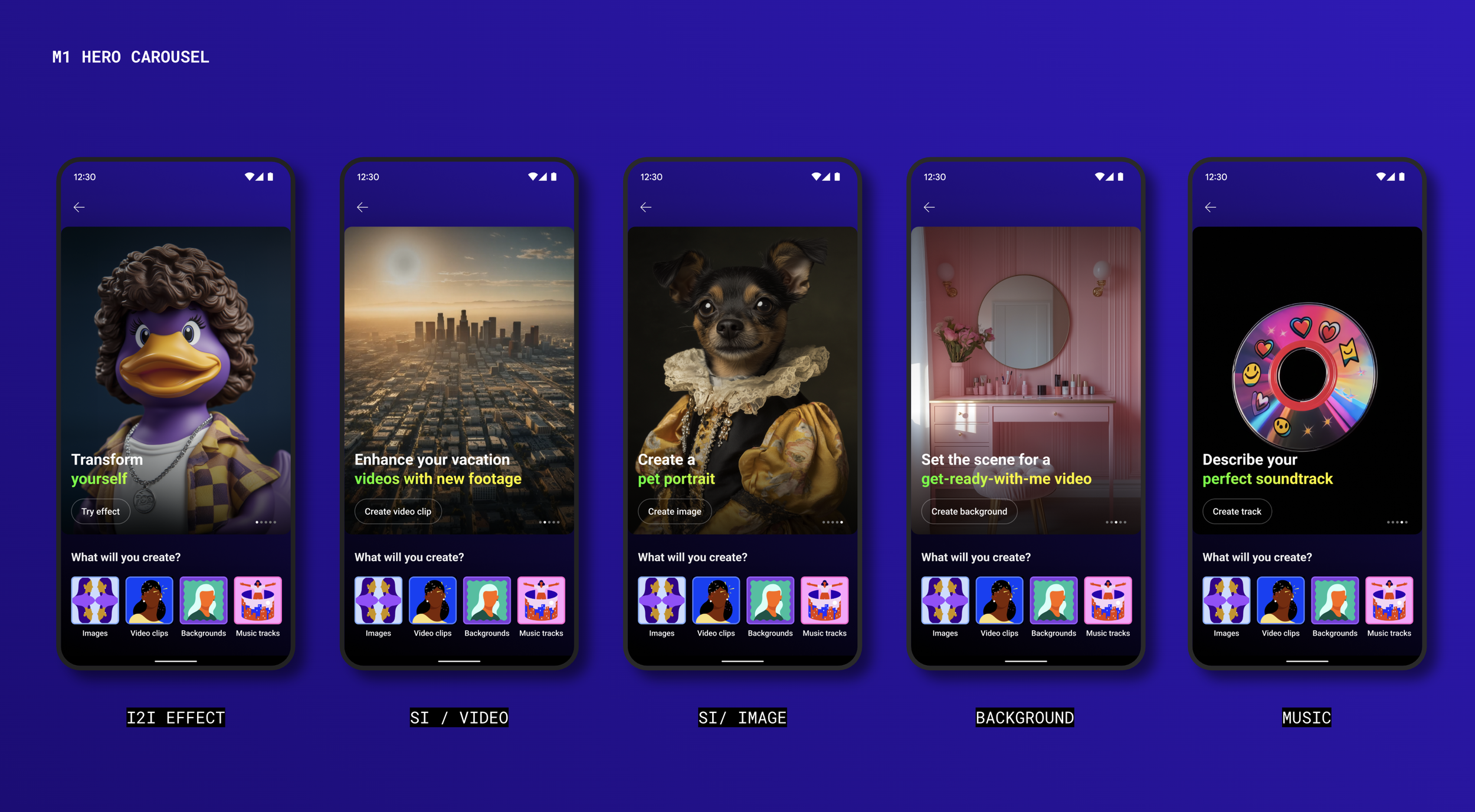
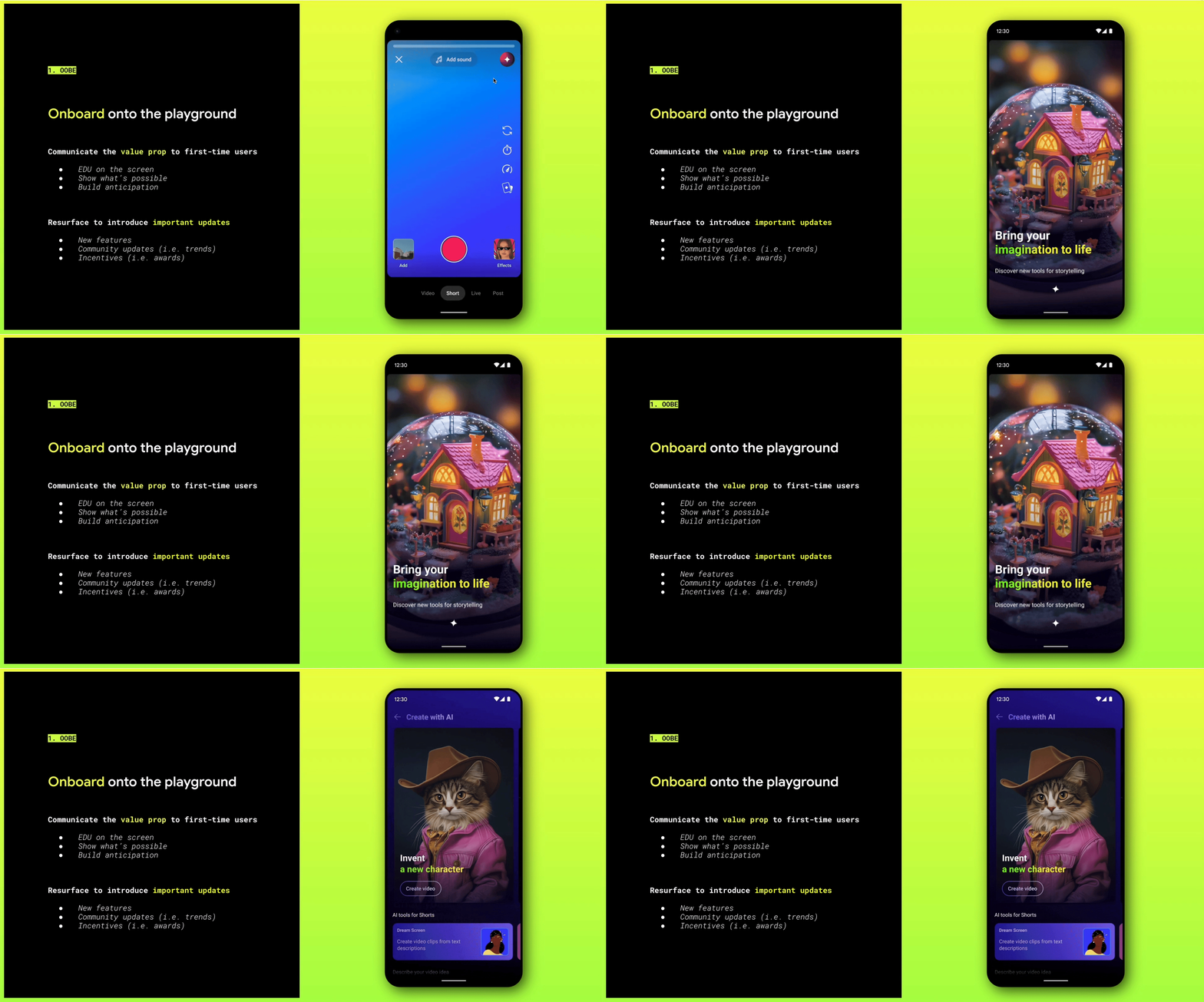
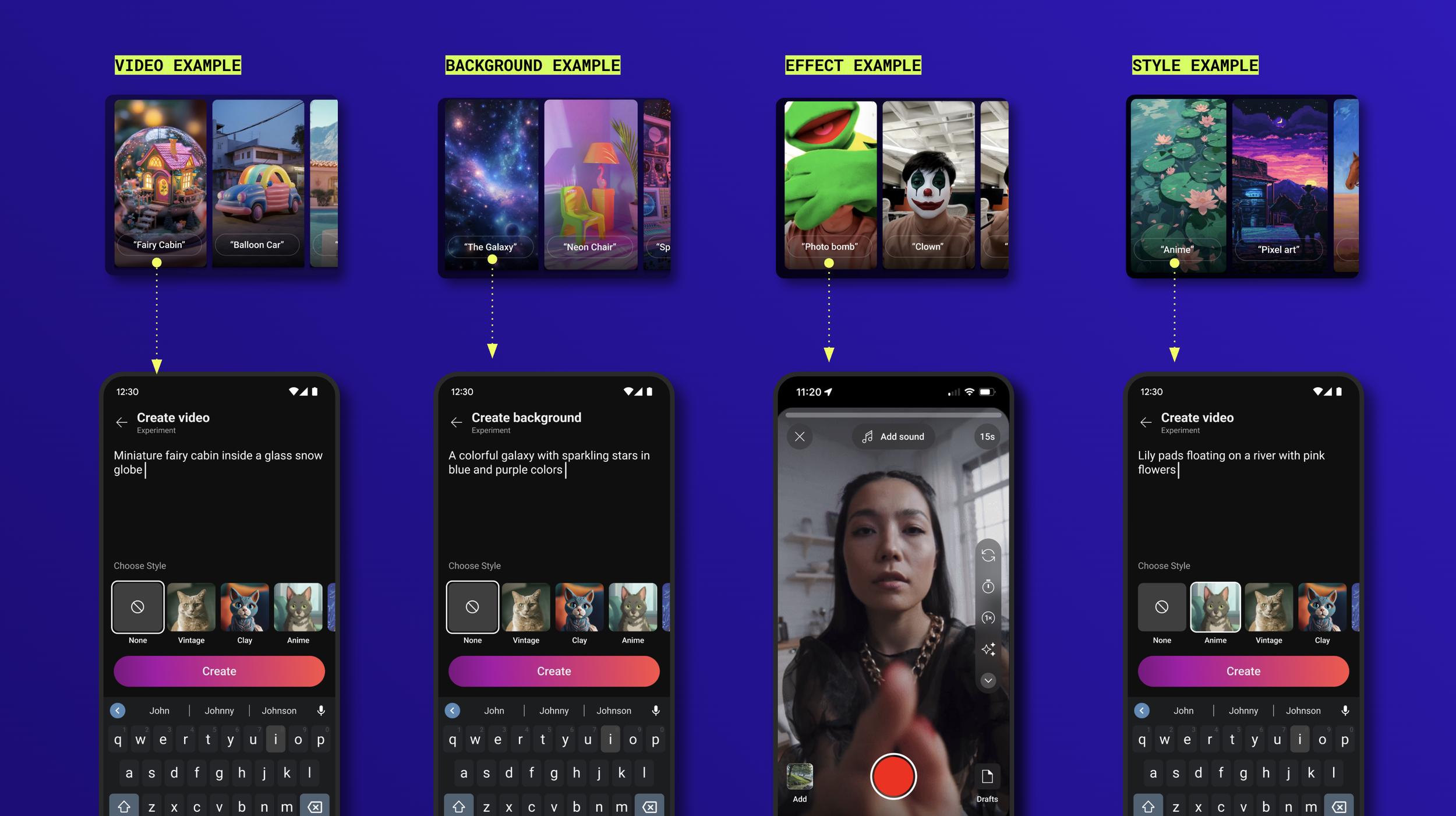
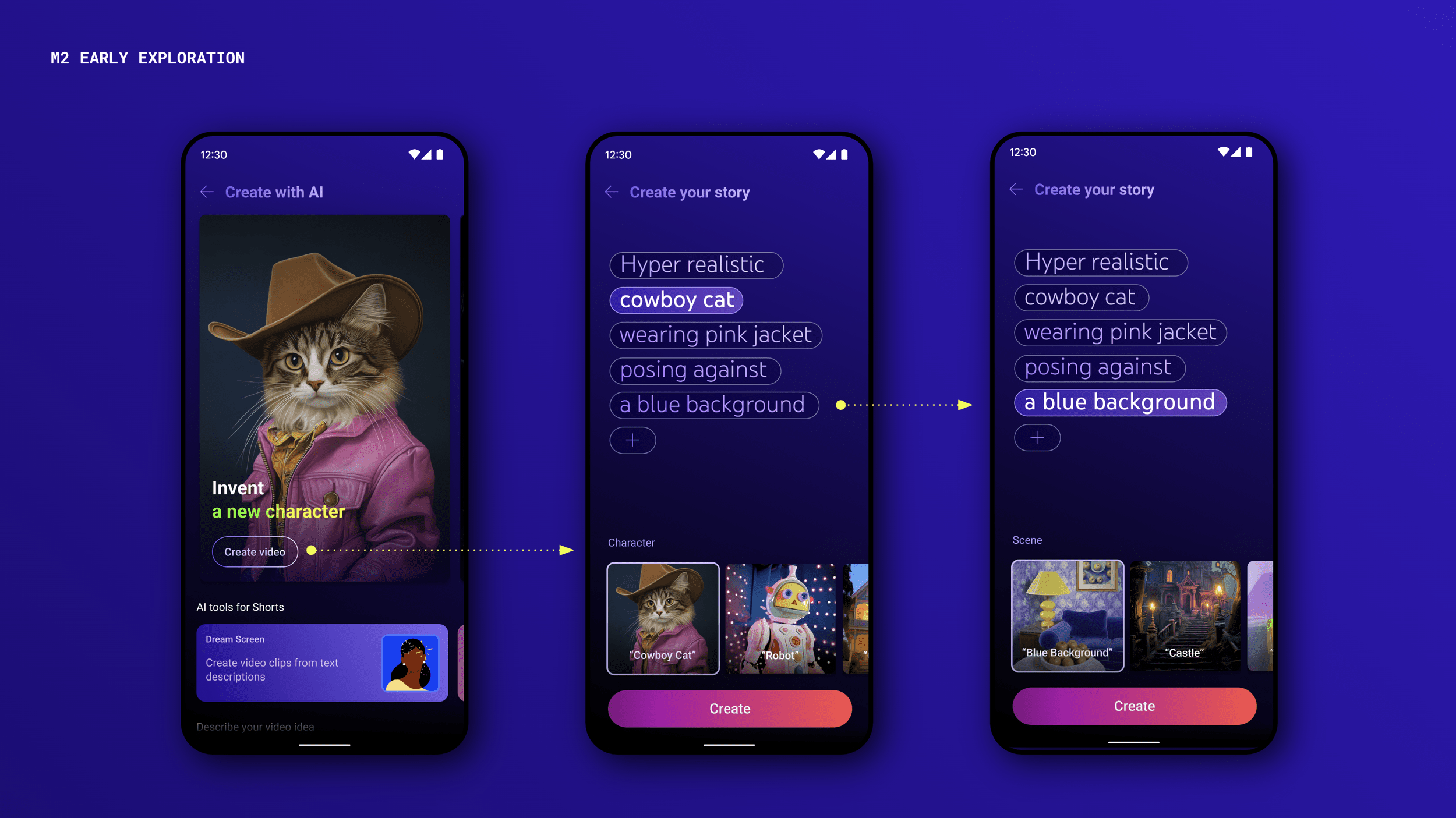
In M1 we had to use existing YouTube components but we explored more playful, gamified creation experiences for future milestones.
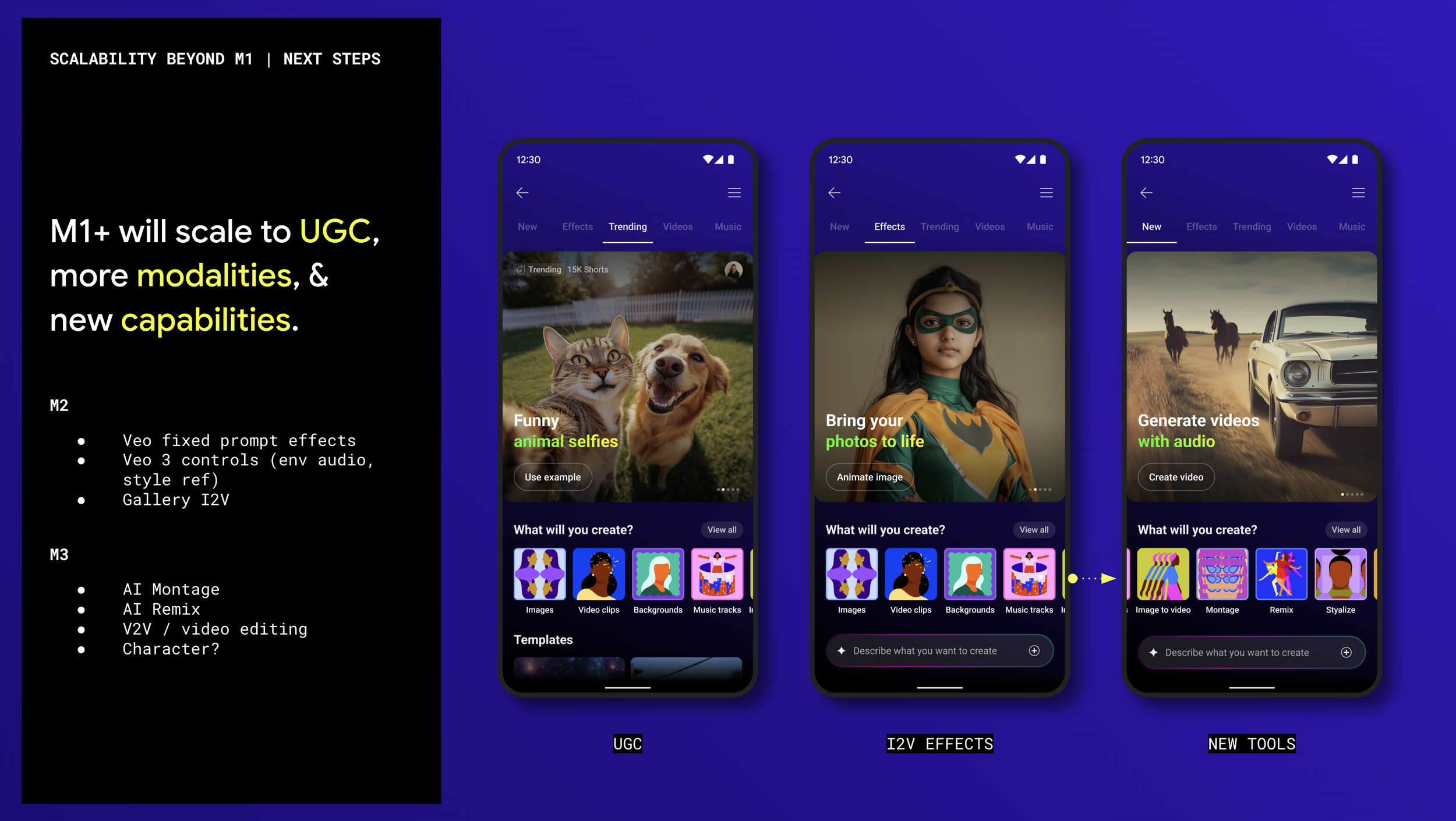
Future Milestones
M1 delivered the MVP, core creation tools (image, video, music, effects) and a modular system built to grow. The roadmap ahead includes open prompting, animation, remixing, and editing, all designed into the architecture from day one.